
Flowers
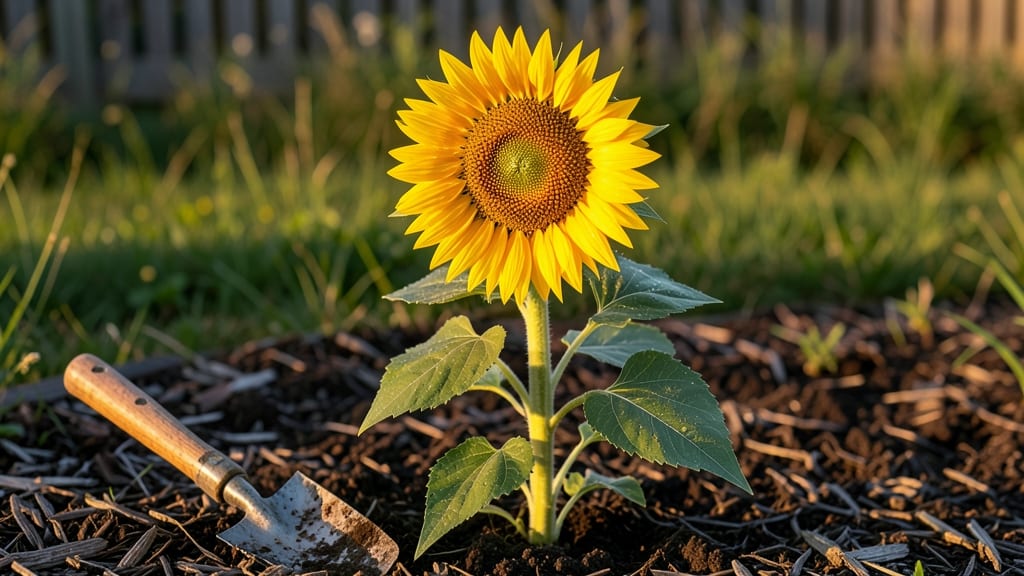
Planting sunflowers in Zone 8a at the right time ensures those towering 🌻 blooms you dream of—soil warmth and frost-free days are the keys to success.
Sunflowers aren’t just beautiful—they’re hardy, fast-growing plants that thrive in Zone 8a’s warm climate, but timing your planting wrong can mean wilted dreams instead of towering blooms. Too early and frost will nip them; too late and summer’s heat arrives before they even sprout.
Zone 8a’s mild winters and long growing season give you two prime windows: late February through early April for spring blooms or late July to early August for fall harvests.
The trick is waiting until the soil warms to at least 55°F—cold soil slows germination, and you don’t want that.
Below, I’ll break down the exact dates, soil prep secrets, and how to stretch your sunflower season for bigger blooms—no guesswork, just proven timing for Zone 8a’s unique climate.

Best planting windows for sunflowers in Zone 8a: spring vs. fall timing
Sunflowers in Zone 8a love the heat, but getting the timing right ensures those iconic blooms reach their full potential. The last frost date around February 15 signals the start of your spring window, while summer planting offers a second chance for late-season blooms.
Let’s break down the exact windows and what your soil needs to cooperate.
In Zone 8a, sunflowers thrive when planted either in early spring or late summer. Spring planting gives you towering blooms by summer, while summer planting extends your harvest into fall.
The key? Soil temperature must stay above 50°F (10°C) for seeds to germinate successfully. Below this, germination stalls, leaving you with wilted seedlings.
| Planting Window | Soil Temp Requirement | Frost Risk | Bloom Time | Best Varieties |
|---|---|---|---|---|
| Late February - Early April | 50°F+ (10°C+) | Low (after last frost) | July - September | 'Mammoth', 'Autumn Beauty' |
| Late July - Early August | 60°F+ (15°C+) | None (frost-free) | October - November | 'Teddy Bear', 'ProCut' |
| Early May (succession) | 55°F+ (13°C+) | Low (late spring) | August - September | 'Sunspot', 'Little Becka' |
For spring planting, aim to sow seeds 2-4 weeks after your last frost date. In Zone 8a, this typically lands between late February and early April. Use a soil thermometer to confirm temperatures are consistently above 50°F (10°C)—this ensures quick germination.
If you plant too early and hit a cold snap, your seeds may rot in the ground.
Summer planting is your secret weapon for fall blooms. Sow seeds between late July and early August to catch the last stretch of warm weather before first frost (around November 15). This window works best for dwarf varieties like 'Teddy Bear', which mature faster and avoid winter chill.
Don’t overlook succession planting in early May for a staggered harvest. By spacing out plantings every 2-3 weeks, you’ll enjoy blooms from August through October. This is especially useful if you’re growing sunflowers for cut flowers or seeds, as it spreads out your workload.
One common mistake? Planting sunflowers too close to first frost. If you’re aiming for fall blooms, choose fast-maturing varieties (like 'ProCut') that can complete their life cycle before temperatures dip. Always check your local frost dates—even in Zone 8a, unexpected cold snaps can ruin your plans.
Pro tip: Use black plastic mulch to warm soil faster in spring or retain heat in summer. This trick can shave off 1-2 weeks from your planting window, giving sunflowers a head start. Just remove it once seeds sprout to avoid overheating.
Watering matters too. After planting, keep soil moist but not soggy—sunflowers need 1-2 inches of water per week, especially during germination. Once established, they’re drought-tolerant, but deep watering in the morning keeps roots strong and blooms vibrant.
Finally, watch for pests like sunflower moths or bird damage. If you’re planting in late summer, consider using row covers or bird netting to protect young seedlings.
With the right timing and a little care, your sunflowers will reward you with stunning blooms and bountiful seeds all season long. 🌻
How to adjust planting dates for sunflower varieties in Zone 8a
Not all sunflowers are created equal! In Zone 8a, your choice between giant, dwarf, or multi-bloom varieties directly impacts when you should plant.
Giant varieties like 'Mammoth' or 'Russian Giant' need extra time to reach their towering heights, while dwarf types like 'Teddy Bear' can handle later starts. Let’s break down the perfect timing for each type to ensure your sunflowers thrive in our warm but variable climate.
Zone 8a’s last frost date typically falls around February 15, but microclimates—like urban heat islands or coastal areas—can shift this window by 2-4 weeks. For example, inland areas may experience warmer soil earlier, while coastal regions might stay cooler longer.
Always check your local frost-free dates and adjust accordingly. Planting too early risks rot from cold soil, while waiting too long can stunt growth before summer’s peak heat.
| Variety Type | Ideal Planting Window | Soil Temp Requirement | Mature Height | Notes |
|---|---|---|---|---|
| Giant (e.g., 'Mammoth') | Early March - Mid-April | 60°F+ | 10-16 ft | Needs longer growing season; plant early for full height. |
| Dwarf (e.g., 'Teddy Bear') | Late March - Early May | 55°F+ | 1-3 ft | Tolerates later starts; great for containers. |
| Multi-Bloom (e.g., 'Autumn Beauty') | Mid-April - Early June | 58°F+ | 3-6 ft | Produces multiple blooms; plant in succession for extended color. |
| Summer Succession | Late July - Early August | 65°F+ | Varies | Extend season with late-season varieties like 'ProCut'. |
For giant sunflowers, aim to plant between early March and mid-April to give them 90-120 days of growth before first frost. These varieties need warm soil—wait until temperatures consistently stay above 60°F—to avoid stunted growth.
If you’re in a cooler microclimate, consider starting seeds indoors 4-6 weeks before transplanting outdoors after the last frost.
Dwarf and multi-bloom varieties are far more flexible. You can plant them as late as early June and still enjoy blooms by fall. These types thrive in warmer soil (55-58°F) and are perfect for container gardening or adding color to late-season gardens.
For a continuous display, stagger plantings every 2-3 weeks from April through June.
Don’t overlook summer succession planting! In Zone 8a, you can squeeze in a second round of sunflowers by planting late July to early August. Choose heat-tolerant varieties like 'ProCut' or 'Autumn Beauty' and expect blooms by October.
This works especially well in cooler coastal areas where summer heat isn’t as intense. Just ensure your soil stays moist but well-draining to prevent root rot.
Pro tip: Use a soil thermometer to check temperatures before planting. Sunflowers won’t germinate well in soil below 55°F, and giant varieties need 60°F+ for optimal growth.
If your soil is too cold, try black plastic mulch to warm it up faster or opt for dwarf varieties that tolerate cooler conditions better.
Adjusting your planting dates based on sunflower type and microclimate ensures you’ll enjoy towering blooms all season long—from early spring giants to late-fall multi-bloomers. With these timing tweaks, you’ll turn your Zone 8a garden into a sunflower paradise! 🌻