
Plants
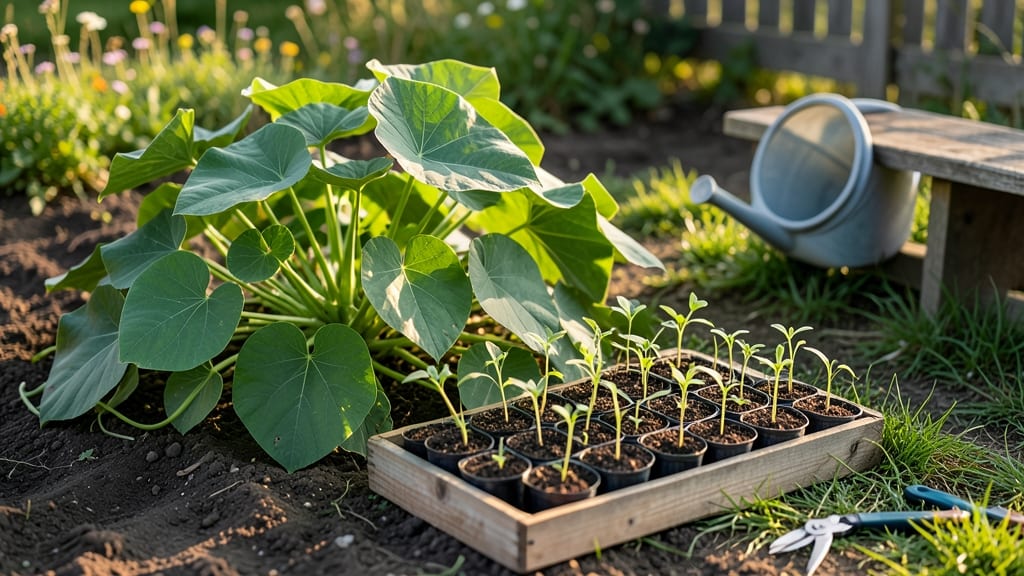
Plant sweet potatoes in Zone 9b between early March and mid-April for the best harvest, when soil temperatures hit 65°F and days stretch long enough for 90-120 days of growth.
If you’ve ever watched your sweet potatoes 🍠 struggle in the heat or rot from soggy soil, you know timing is everything in Zone 9b’s climate. The key?
Starting slips when the ground warms but before summer’s brutal sun peaks—too early and the roots won’t develop properly; too late and you risk stunted growth.
Zone 9b’s microclimates—like Phoenix’s desert heat or coastal Southern California’s marine layer—mean your exact window depends on elevation and proximity to water. Inland areas can plant a week earlier, while coastal spots may wait until late March to avoid humidity-related diseases.
Below, I’ll break down the ideal weeks before frost (though Zone 9b rarely sees frost), soil prep tricks, and how to choose between slips and seeds for your location’s unique conditions.

Optimal planting windows for sweet potatoes in Zone 9b (with frost timeline)
Zone 9b gardeners have a unique advantage—no frost to worry about—but timing still matters for sweet potato success. Unlike cooler climates, your planting window hinges on soil temperature (not frost dates) and variety maturity.
Aim for 90-120 days to harvest before summer heat stress sets in. My best results? Planting in late February to early April for a fall harvest.
Sweet potatoes need warm soil (65°F/18°C+) to thrive. In Zone 9b, soil warms earliest in low desert areas (like Phoenix) by mid-February, while coastal regions (like San Diego) may wait until late March.
Test your soil with a thermometer—planting too early risks rot, while waiting too long shortens your harvest window.
Use this comparison table to pinpoint your ideal planting dates based on local microclimates and variety needs:
For Zone 9b gardeners, slips (young plants) outperform seeds—start with 4-6 week-old slips from a nursery. Plant them 12-18 inches apart in rows 3 feet apart to allow vine spread. My pro tip: Use black plastic mulch to raise soil temps by 5-10°F faster, especially in cooler microclimates.
Sweet potatoes need 90-120 days to mature, but heat stress after 100°F (38°C) can reduce yields. In Zone 9b, this means planting by early April ensures harvest before summer peaks. Track your local heat waves—if temps soar early, opt for shorter varieties like 'Georgia Jet' (90 days).
Don’t overlook succession planting! In Zone 9b, you can stagger plantings every 2-3 weeks from February to April for a continuous harvest. For example, plant Beauregard (90 days) in February, then Jewel (120 days) in March. This spreads your workload and maximizes storage space.
Watch for early signs of stress: Yellowing leaves or stunted growth often mean soil too cold or poor drainage. Amend your soil with compost and sand (if clay-heavy) to prevent rot.
My Zone 9b secret: Add a 5-10-10 fertilizer at planting and again at 6 weeks to boost tuber development.
Harvest before the first fall rains (even in Zone 9b, occasional showers can rot tubers). Cure your sweet potatoes at 80-85°F (27-29°C) and 80% humidity for 10 days to develop sweetness. Store in a cool, dark place (55-60°F/13-16°C) for up to 6 months.
Zone 9b’s
How to adjust planting for early vs. late varieties in Zone 9b
Zone 9b’s mild winters let you grow sweet potatoes year-round, but choosing between early varieties like Beauregard (90-day harvest) and late varieties like Jewel (120+ days) changes your planting strategy completely.
Early varieties need earlier starts to avoid summer heat stress, while late varieties can handle longer growing seasons for bigger yields.
For Beauregard, start slips in late February to early March—this gives you a harvest by late May to June before summer’s peak heat. Late varieties like Jewel can wait until mid-March to April, maturing in July to September when temperatures cool slightly.
| Variety | Days to Maturity | Best Planting Window | Harvest Window | Soil Temp Requirement |
|---|---|---|---|---|
| Beauregard | 90-100 days | Late Feb–Early Mar | Late May–June | 65°F+ |
| Jewel | 120-150 days | Mid-Mar–April | July–Sept | 70°F+ |
| Georgia Jet | 90 days | Feb–Early Mar | May–June | 60°F+ |
Soil prep is critical—both varieties thrive in well-draining, sandy loam with a pH of 5.8-6.5. For early varieties, amend soil with compost and aged manure to boost fertility before planting. Late varieties benefit from mulching with straw to retain moisture during summer’s heat.
Extend your growing season by planting succession crops every 2-3 weeks. Use black plastic mulch to warm soil faster in early plantings, or shade cloth in summer to protect late varieties from heat stress.
In Zone 9b, you can even plant a fall crop in September for a winter harvest!
Transplant slips when soil reaches 65°F+, spacing them 12-18 inches apart in rows 3-4 feet apart. Early varieties need more frequent watering (weekly) to avoid stunting, while late varieties tolerate bi-weekly deep watering once established.
Zone 9b’s long growing season means you can experiment with multiple varieties—try Beauregard for early harvests and Jewel for storage potatoes. With the right timing and care, you’ll enjoy homegrown sweet potatoes from spring through fall! 🍠