
Vegetables
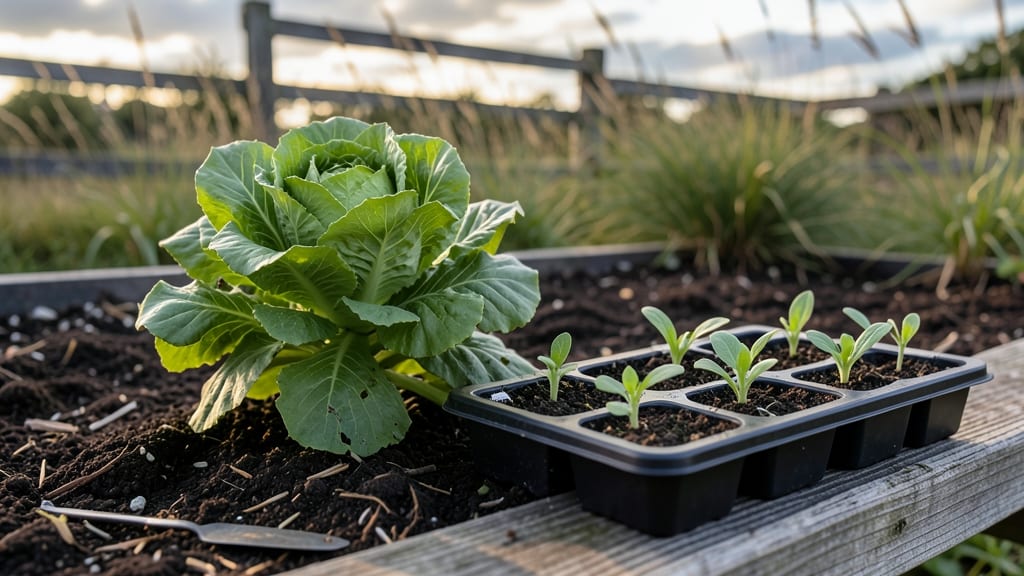
To plant vegetables in Zone 3, time your seeds and transplants between mid-April and early June—missing this window means frost will nip your harvest before it starts.
Zone 3 gardeners face a short growing season—getting planting dates wrong can mean the difference between a bountiful harvest and wasted seeds. Timing is everything, and these exact frost dates will help you maximize your vegetable yields this year.
Early crops like peas and spinach can handle cooler soils, while tomatoes and peppers need warmer temperatures to thrive. Knowing your last frost date is the key to avoiding stunted growth or bolted greens.
Below, I break down the best planting windows for each vegetable, frost-free strategies, and how to stretch your season with simple tools. Let’s turn those 60 days into a garden full of flavor.

Zone 3 frost dates by month: critical planting windows for vegetables
Zone 3 gardeners know that timing is everything—your last spring frost and first fall frost define your entire growing season.
In this zone, which includes states like Minnesota, Maine, and Montana, the average last frost date typically falls between May 10-25, while the first frost arrives as early as September 15.
These dates create a window of just 4-5 months for warm-season crops, so precision planting is non-negotiable.
Understanding these dates helps you avoid frost damage to tender seedlings and ensures your vegetable harvests mature before cold snaps. For example, planting tomatoes too early can leave them vulnerable to frost, while waiting too long risks an early end to your growing season.
Let’s break down the exact monthly frost dates and how they impact your planting schedule.
Below is a summary-table of critical frost dates for Zone 3, including regional variations and ideal planting windows for your favorite vegetables. Use this as your guide to align your planting with nature’s calendar.
| Month | Average Last Frost Date | Average First Frost Date | Planting Window | Best Crops to Plant |
|---|---|---|---|---|
| March | N/A (Frost likely) | N/A | Start indoor seeds (peppers, tomatoes) | Peppers, Tomatoes, Onions |
| April | Mid-April (varies) | N/A | Hardy cool-season crops (outdoor) | Peas, Spinach, Lettuce, Radishes |
| May | May 10-25 | N/A | Warm-season transplants after frost | Tomatoes, Peppers, Cucumbers, Beans |
| June | N/A | N/A | Succession planting for continuous harvest | Lettuce, Bush Beans, Carrots |
| July | N/A | Late September | Plant fall crops for harvest before frost | Kale, Broccoli, Garlic, Potatoes |
| August | N/A | September 15-30 | Direct-sow fast-growing crops | Radishes, Spinach, Turnips |
While these dates provide a general guideline, microclimates in Zone 3 can shift your frost dates by 1-2 weeks. For example, areas near large bodies of water or urban heat islands may experience earlier last frosts, while high elevations or northern exposures can delay them.
To refine your planting schedule, use a frost-free date calculator like the one from the Old Farmer’s Almanac or your local USDA Plant Hardiness Zone Map.
For warm-season vegetables like tomatoes and peppers, wait until the soil reaches 50°F (10°C) and the air temperature stays above 55°F (13°C) at night. Use row covers or cold frames to extend your planting window for heat-loving crops.
For cool-season crops like spinach and peas, you can start planting as early as 2-4 weeks before your last frost date.
Pro tip:
Best vegetables to plant in Zone 3 by season: fastest-growing crops for short seasons
Zone 3’s short growing season demands strategic choices—focus on fast-maturing vegetables that thrive in cool or warm pockets of time. My top picks deliver harvests in 45-60 days, ensuring you beat the first frost.
Cool-season crops like spinach and radishes start early, while bush beans and zucchini shine in summer’s brief warmth.
I’ve organized these by planting window: early spring (March-April), late spring (May), and summer (June-July). Each category includes maturity timelines and frost tolerance notes to help you plan. For example, peas can handle light frosts, while tomatoes need warm soil—critical for Zone 3’s unpredictable spring.
🌱 Zone 3 Planting Timeline: Fastest Crops by Season
- Early Spring (March-April) – Peas, Spinach, Radishes, Lettuce (30-50 days to harvest; plant 4-6 weeks before last frost).
- Late Spring (May) – Bush Beans, Zucchini, Kale, Swiss Chard (45-60 days; wait until soil reaches 50°F).
- Summer (June-July) – Basil, Cucumbers, Carrots, Beets (50-70 days; prioritize fast varieties like 'Early Wonder' peas).
- Fall (July-August) – Kale, Garlic, Onions, Turnips (60-90 days; sow 8-10 weeks before first frost).
Pro tip: Use row covers to extend spring/fall seasons by 2-3 weeks.
For cool-season vegetables, I swear by spinach (‘Bloomsdale Long Standing’) and radishes (‘Cherry Belle’), which mature in just 25-30 days. These handle light frosts (down to 20°F) and even taste sweeter after a chill.
Start seeds indoors in late March or direct-sow after your last frost date—usually mid-May in most of Zone 3.
Warm-season crops like zucchini (‘Eight Ball’) and bush beans (‘Blue Lake’) need consistent warmth (above 55°F) to thrive. I plant these after Memorial Day, often using black plastic mulch to warm the soil faster.
These varieties mature in 45-55 days, giving you a harvest before the mid-September frost that hits most of Zone 3.
Don’t overlook succession planting—it’s my secret to year-round harvests. For example, sow radishes every 2 weeks from April to July for continuous snacks. Similarly, bush beans planted in early June and again in mid-July stretch your harvest window.
Pair this with fast-growing greens like arugula (30 days) for a salad fix even in late summer.
If you’re new to Zone 3 gardening, start with these 5 foolproof crops: peas, radishes, lettuce, zucchini, and bush beans. They’re forgiving, fast, and productive even in cool summers.
For extra insurance, I always keep a seedling heat mat handy to jumpstart warm-season plants if spring drags on. Your goal? Beat the frost—not the other way around.