
Plants
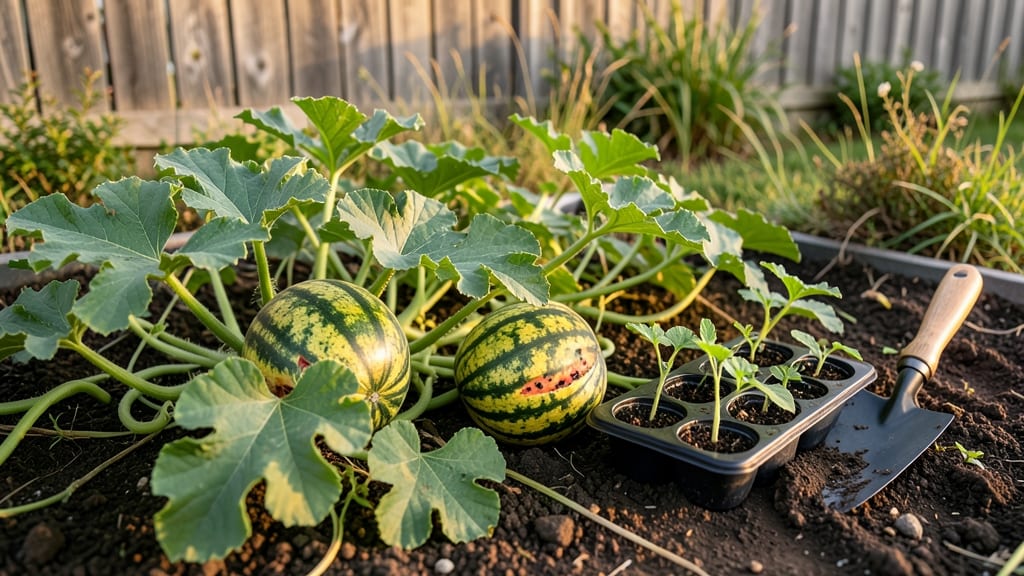
Planting watermelon in Zone 8 after the last frost—when soil hits 70°F—sets the stage for juicy harvests by July.
If you've ever waited until June only to watch your vines bolt in the heat, you know timing is everything. Too early, and frost nibbles tender leaves; too late, and the season shrinks before fruit ripens.
The late April to early June window is your sweet spot, but soil temp and variety matter just as much.
Zone 8’s long growing season means you can direct-sow seeds once the ground warms, but starting indoors in March gives heat-sensitive varieties a head start. I’ll walk you through the exact dates, soil checks, and how to stretch your harvest through September’s last flush of sweetness.
Ready to skip the guesswork? You’ll leave here with a 3-step planting timeline, the best varieties for your climate, and tricks to beat the summer heat—so your watermelon patch delivers bigger, sweeter results than the store ever could.

Optimal planting dates for watermelon in Zone 8 by month
In Zone 8, where warm days stretch long and frost-free seasons linger, planting watermelons at the right time ensures you avoid the two biggest pitfalls: heat stress in seedlings and poor fruit set from late planting.
Unlike cooler climates, Zone 8 gardeners have a narrower window—just 6-8 weeks—to get seeds in the ground before summer’s intensity peaks. The key? Soil temperature over calendar dates, since watermelons refuse to germinate below 70°F.
Most gardeners in Zone 8 skip indoor seed starting entirely. Watermelon seedlings hate transplanting and often bolt prematurely when moved, so direct sowing is the gold standard.
That said, if you’re growing early varieties (like 'Sugar Baby'), you can start seeds indoors 4-6 weeks before your last frost date (typically March 15 in Zone 8). But even then, harden off seedlings carefully—one week of gradual outdoor exposure is non-negotiable.
Here’s the month-by-month breakdown of when to plant, including soil temp cues and variety adjustments to maximize your harvest window.
| Month | Soil Temp (°F) | Direct Sow Window | Transplant Window | Best Varieties | Notes |
|---|---|---|---|---|---|
| April | 65–75°F | Late April (after April 15) | Early April (if started indoors) | 'Sugar Baby', 'Early Red' | Risk of late frost; use row covers. |
| May | 70–85°F | Early May – Mid-May | Mid-May (hardened off) | 'Crimson Sweet', 'Charleston Gray' | Ideal window for most varieties. |
| June | 80–90°F | Early June (late varieties) | Avoid (heat stress risk) | 'Jubilee', 'Black Diamond' | Only for late-season harvests. |
| July | 85–95°F | Not recommended | N/A | N/A | Too hot for germination; focus on harvest. |
Notice how May is the sweet spot for direct sowing in Zone 8. This aligns with soil temperatures hitting 70–85°F, the perfect range for germination and vine establishment.
If you plant in late April, use row covers to protect seedlings from unexpected late frosts, which can linger until April 15 in some Zone 8 microclimates (like coastal areas).
For transplants, the window shrinks to just 2 weeks—mid-May—because watermelon roots despise disturbance. If you’re starting seeds indoors, preheat your soil with black plastic mulch 1 week before transplanting to mimic outdoor conditions and reduce shock.
Pro tip: Skip transplanting entirely if you’re growing heirloom varieties like 'Moon and Stars', which often bolt or produce bitter fruit when stressed.
Here’s how to adjust for early vs. late varieties: If you plant 'Sugar Baby' (a 70-day variety) in late April, you’ll harvest in early July—just as summer’s peak heat arrives.
For a second harvest in September, sow 'Jubilee' (a 90-day variety) in early June, but only if your soil stays above 75°F (use a soil thermometer to check!).
One critical mistake Zone 8 gardeners make? Planting too late for fruit maturity. Watermelons need 75–90 days to ripen, and if you sow seeds after June 1, your vines will struggle to set fruit before first frost (typically November 15).
To stretch your season, try shade cloth during August’s 100°F+ days—this prevents sunscald on fruits and keeps vines productive.
Finally, soil prep is your secret weapon. Watermelons thrive in loamy, well-draining soil with a pH of 6.0–6.8. Amend your beds with compost and aged manure 4–6 weeks before planting, and avoid fresh nitrogen, which causes leafy growth at the
How to extend your watermelon season in Zone 8’s heat
Zone 8’s scorching summers can turn your watermelon dreams into bitter disappointments if you don’t take action. Extreme heat causes vines to wilt, flowers to drop, and fruits to develop off-flavors. But with the right strategies, you can keep your plants thriving and your harvests juicy.
The key is combining shade protection, mulching, and smart watering to maintain ideal growing conditions—even when temperatures soar above 95°F.
I’ve learned through trial and error that watermelons in Zone 8 need more than just good soil—they need strategic care to survive the heat. Companion planting with heat-tolerant crops, drip irrigation, and afternoon shade can extend your season by weeks.
Below are my top strategies to keep your watermelons happy and productive until late September or even early October.
- 1. Mulch heavily with straw or black plastic to retain soil moisture and block weeds.
- 2. Use shade cloth (30-50%) over vines during peak afternoon sun (12 PM–4 PM).
- 3. Water deeply in the early morning (1-2 inches) to avoid fungal diseases.
- 4. Plant near tall crops (like corn or sunflowers) for natural afternoon shade.
- 5. Harvest early varieties (60-70 days) before August heat peaks.
Mulching is my #1 defense against Zone 8’s heat. A 4-inch layer of straw or black plastic mulch keeps soil temperatures 10°F cooler than bare ground. This prevents root stress and ensures consistent moisture.
I’ve seen watermelons in mulched beds stay productive even when unmulched plants bolted. For extra protection, add a lightweight row cover during heatwaves—just remove it when flowers appear to allow bee pollination.
Shade isn’t just for comfort—it’s a lifeline for watermelons in Zone 8. I swear by 30% shade cloth draped over trellises or hoops during the hottest months. This reduces leaf scorch and keeps fruits from developing sunscald.
For a natural solution, interplant watermelons with tall sunflowers or corn. The giant leaves create a cool microclimate while maximizing your garden space. Just avoid overcrowding, as watermelons need 6-10 feet of vine space.
Timing your harvest is just as critical as planting. In Zone 8, aim to pick watermelons when temperatures drop below 90°F—typically in late July to early September. Look for a creamy yellow spot where the fruit touches the ground and a dull sound when tapped.
If you miss the window, your melons may develop hard, seedy interiors from heat stress. For a second crop, try heat-tolerant varieties like ‘Sugar Baby’ or ‘Crimson Sweet’ and plant again in early June.
Don’t let Zone 8’s heat ruin your watermelon dreams—with these strategies, you can enjoy sweet, homegrown fruit well into fall. The secret is proactive care: mulch early, shade wisely, and harvest at the right time. Your taste buds (and your plants) will thank you! 🍉💧☀️