
Light Requirements
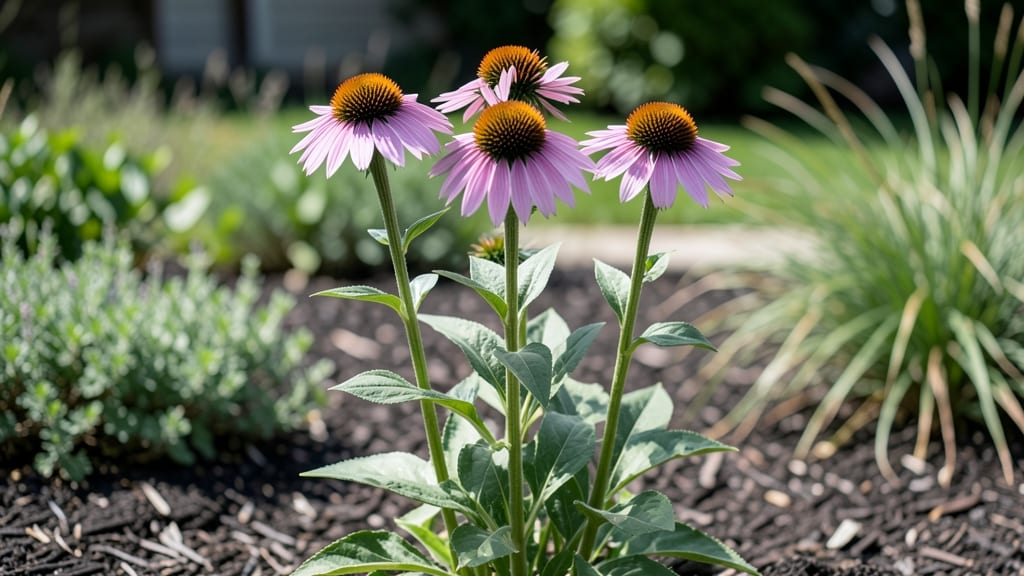
Zone 4 perennials in full sun don’t just survive—they put on a show from June through frost. 🌻 I’ve tested dozens of varieties in my northern garden, and these hardy bloomers prove you don’t need a greenhouse to get bold colors and reliable blooms.
The secret? Choosing plants bred to handle our brutal winters and scorching summers.
Start with coneflowers, black-eyed Susans, and daylilies—they’re the workhorses of full-sun beds, thriving in 6+ hours of direct sunlight and bouncing back after winter’s freeze-thaw cycles. Amend your soil with compost before planting, space them 18-24 inches apart for airflow, and water deeply once a week after establishment.
Mulch in fall to protect roots from temperature swings.
With minimal pruning (just clean up spent blooms in late fall), these perennials reward you with vibrant blooms for years. My coneflowers hit their peak in July and stay lively until October, while daylilies put on a second show in late summer.
The best part? They spread over time, filling in gaps naturally.
For design inspiration, mix tall coneflowers with mid-height black-eyed Susans and low-growing sedum for texture. Add a few ornamental grasses for movement in the breeze. These combinations work in borders, rain gardens, or even small containers—just ensure they get full sun. Let’s get your Zone 4 garden blooming effortlessly!
📚 In This Guide
- What you need
- Instructions
- Tips and common mistakes
- Wrapping up and next steps
What you need
- ● Zone 4 full-sun perennials: Choose from hardy varieties like Echinacea (Coneflower), Rudbeckia (Black-Eyed Susan), Daylily (Hemerocallis), Sedum (Stonecrop), or Russian Sage (Perovskia). Aim for 3–5 plants per square foot for a lush look.
- ● Well-draining soil: Amend native soil with 2–3 inches of compost or aged manure to improve fertility and drainage. Avoid heavy clay unless amended.
- ● Mulch: 2–3 inches of organic mulch (e.g., shredded bark, straw, or wood chips) to retain moisture and suppress weeds.
- ● Watering can or hose with a soaker nozzle: For gentle, deep watering (especially critical during establishment phase).
- ● Garden gloves and knee pads: Protect your hands and joints—trust us, you’ll thank us later!
- ● Hand trowel or transplant spade: For digging small holes (6" wide/deep for most perennials).
- ● Pruners (bypass or felco): Sharp, clean pruners for trimming dead foliage or shaping plants.
- ● Measuring tape or ruler: Ensure proper spacing (check plant tags for specifics!).
- ● Wheelbarrow or bucket: For hauling soil, mulch, or tools around your garden.
- ● Slow-release fertilizer: Granular or spike form (e.g., 10-10-10) for a nutrient boost at planting.
- ● Garden stakes or plant labels: Mark new plantings to track varieties and avoid overcrowding.
- ● Drip irrigation kit: For automated, efficient watering (great for large beds!).
- ● Organic pest control: Neem oil or insecticidal soap to preempt aphids or powdery mildew.
Step-by-step planting guide for Zone 4 full-sun perennials
Here’s how to establish hardy perennials that will return year after year with minimal effort.
🌱 Step 1: Select the Right Plants for Zone 4 Sun
Zone 4’s harsh winters and intense summers demand perennials with proven toughness. Focus on coneflowers, black-eyed Susans, daylilies, and Russian sage—these thrive in full sun (6+ hours daily) and tolerate 20°F to -30°F without fuss. Avoid delicate species like lavender or salvia, which struggle in extreme cold.
Check your microclimate: South-facing beds get the most sun but may dry out faster. North-facing slopes stay cooler and moister—adjust watering accordingly. I always group plants by water needs to simplify care later.
🪴 Step 2: Prepare the Soil for Long-Term Success
Full-sun perennials need well-draining soil with organic matter to retain moisture during heatwaves. Amend native soil with 2-3 inches of compost mixed into the top 12 inches of bed. Zone 4’s heavy clay? Add sand or perlite to improve aeration—roots will thank you in summer droughts.
Test pH before planting: Most sun-loving perennials prefer 6.0-7.0. If your soil runs acidic, sprinkle lime and till it in. Avoid fresh manure—it burns roots. Instead, use aged compost or worm castings for gentle, long-lasting fertility.
☀️ Step 3: Plant at the Right Depth and Spacing
Dig holes twice as wide as the root ball but no deeper—burying too deep suffocates roots. Place plants so the top of the root ball sits flush with soil level (never mound soil over the crown). Space perennials 18-36 inches apart depending on mature size—crowding invites disease and weakens blooms.
Water deeply after planting to eliminate air pockets. Press soil gently around roots, but don’t compact it. Mulch with 2-3 inches of shredded bark or straw, keeping it 3 inches away from stems to prevent rot. This mimics natural forest floors and retains moisture for years.
💧 Step 4: Water Deeply but Infrequently
First year is critical—water once a week (or more in drought) until plants establish deep roots. You’ll know they’re settled when leaves stay firm and dark green even in heat. Shallow watering encourages weak roots that can’t survive winter.
After establishment, most Zone 4 perennials need 1 inch of water weekly from rain or irrigation. Check soil 2 inches deep—if it’s dry, water slowly until moisture reaches 6 inches down. Drip irrigation is ideal; overhead watering wastes resources and spreads fungal spores.
✂️ Step 5: Prune Strategically for Next Year’s Blooms
Deadhead spent blooms throughout summer to redirect energy into root growth and next year’s flowers. For perennials like coneflowers, cut back 1/3 of the plant in early spring before new growth appears. This prevents flopping and encourages bushier habits.
In fall, leave 3-4 inches of stem on woody plants like Russian sage—they need the structure to insulate buds over winter. Never cut back to bare wood. I mark pruning spots with flags so I don’t accidentally trim next year’s blooms.
Tips & tricks for thriving Zone 4 perennial gardens
These essential strategies will help your sun-loving perennials flourish year after year with minimal effort.
Microclimate Mastery: Pay close attention to your garden's specific conditions. South-facing beds receive intense sunlight and dry out faster, while north-facing slopes retain moisture longer. I always install a simple weather station near my garden to track temperature fluctuations—this helps me adjust watering schedules precisely. For example, Russian sage thrives in hot, dry conditions, while daylilies appreciate slightly more consistent moisture. Grouping plants by their water needs simplifies maintenance and prevents over- or under-watering.
Soil Science: The 2-3 inches of compost mixed into the top 12 inches of soil creates a perfect environment for perennial roots. For Zone 4's heavy clay soils, I recommend adding coarse sand or perlite to improve drainage while maintaining moisture retention. Pro tip: Test your soil's pH before planting—most sun-loving perennials prefer a neutral range of 6.0-7.0. If your soil tests acidic, incorporate lime gradually over several months to avoid shocking plant roots.
Planting Precision: When creating those twice-as-wide planting holes, use a garden trowel to loosen the soil around the edges—this encourages root expansion. The key to proper depth is ensuring the top of the root ball sits flush with soil level. I mark this spot with a small stake before backfilling to ensure accuracy. For mulching, maintain that 3-inch clearance from stems to prevent moisture-related diseases while still protecting roots from temperature extremes.
Pro Tips for Zone 4 Perennials Full Sun
- These essential strategies will help your sun-loving perennials flourish year after year with minimal effort.
- Microclimate Mastery: Pay close attention to your garden's specific conditions.
- Soil Science: The 2-3 inches of compost mixed into the top 12 inches of soil creates a perfect environment for perennial roots.
Frequently asked questions
Got questions about keeping your full-sun perennials thriving in Zone 4?
You’re not alone! Here are answers to the most common concerns—so you can garden with confidence.
How do I know if a perennial is truly hardy for Zone 4 full sun?
Look for plants labeled USDA Zone 4 or colder (like Zone 3) and full sun (6+ hours of direct light). Avoid "tender" perennials—opt for coneflowers, black-eyed Susans, or daylilies, which handle heat and cold well. Pro tip: Check the plant tag or database like MBG for specifics!
When should I plant perennials in Zone 4 for best survival?
Plant in early spring (April–May) or early fall (September) to give roots time to establish before extreme cold. Avoid late summer—heat stress weakens new plants. Mulch lightly (2–3 inches) after planting to protect roots in winter.
Do full-sun perennials in Zone 4 need extra watering?
Yes! Full sun = more evaporation. Water deeply 1–2 times per week (except during rain) during the first growing season. Once established, most perennials (like sedum or Russian sage) tolerate drought—but monitor soil moisture. Morning watering prevents fungal issues.
What’s the best way to prevent pests/disease in sun-loving perennials?
Healthy plants resist pests! Space plants properly for airflow, remove spent blooms, and water at the base (not leaves). Use neem oil for aphids or row covers for cabbage moths. Deadhead regularly to encourage reblooming and deter fungal spores.
Can I replace a struggling full-sun perennial with something else?
If a plant wilts, yellows, or fails to bloom, try alternatives like:
- Drought-tolerant: Lavender, sedum, or yarrow
- Colorful blooms: Blanket flower or bee balm
- Low-maintenance: Catmint or ornamental grasses
Swap in early spring or fall for minimal stress.
How long until my perennials bloom reliably?
Most perennials take 1–2 years to establish and bloom fully. First-year plants may focus on roots, but coneflowers or daylilies often surprise you with blooms by late summer. Be patient! Overwatering or poor soil can delay flowering.
Wrapping up and next steps
Choosing Zone 4 perennials for full sun is a game-changer for low-maintenance, vibrant gardens that just keep blooming year after year! 🌸 From hardy coneflowers to bold black-eyed Susans, these sun-loving stars prove that resilience and beauty go hand in hand—even in cold climates.
With the right picks and a little prep, you’re set for a stunning, fuss-free landscape that thrives with minimal effort.
Ready to transform your garden? Start small: Pick 2-3 perennials from this list, prep your soil, and watch your sunny patches burst to life! 🌞 Browse our full planting guide for step-by-step tips to get growing today.