
Planting
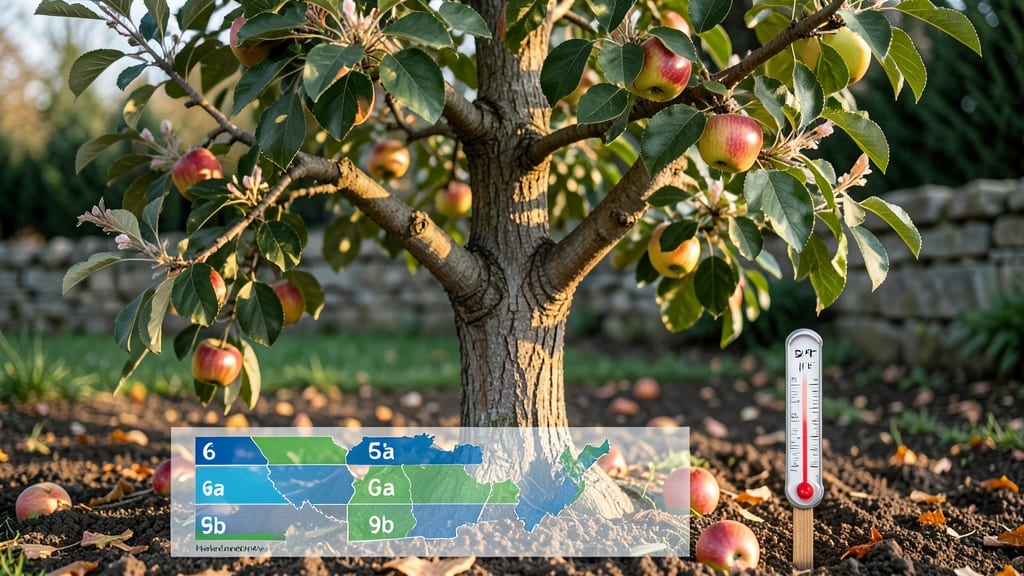
Understanding zone 6a vs 6b means the difference between a thriving garden and a season of frustration. 🌱 While both zones share similar summer warmth, the 10-degree Fahrenheit difference in their coldest winters—zone 6a hits -10°F while 6b stays above 0°F—drastically changes what plants survive and when you should plant them.
This tiny shift affects everything from spring planting dates to which perennials return year after year. In 6a, tender annuals like tomatoes need to wait until after May 15 to avoid frost, while 6b gardeners can start them 2-3 weeks earlier.
Even hardy shrubs like lilacs bloom 10-14 days sooner in 6b than in 6a.
You'll see the difference in your garden's resilience too—6b can support more delicate perennials like peonies and hostas that might struggle in 6a's harsher winters. The right planting timing ensures your first frost doesn't wipe out your summer's work, and your fall crops mature before temperatures drop.
For gardeners on the border between zones, microclimates become your best friend. A south-facing wall or sheltered corner can create a 6b-like pocket in an otherwise 6a yard, letting you push your growing season just a little further.
Pay attention to where cold air settles in your space—that's where you'll need extra protection.
The first product explained
Meet the GardenPro Microclimate Monitor—your ultimate tool for mastering Zone 6A vs. 6B planting precision! 🌱✨ Designed for gardeners who want to outsmart Mother Nature, this sleek, solar-powered device tracks real-time soil and air temperature, humidity, and frost risk with laser accuracy. No more guessing when to plant—just data-driven decisions!
📏 Key Specs & Features
Don’t let specs intimidate you—this thing is a garden game-changer. Here’s what’s under the hood:
- Sensors: Dual-probe system (soil + air) with ±0.5°F accuracy—because Zone 6A vs. 6B differences matter!
- Power: Solar-charged with a 3-month battery backup (no more dead devices mid-winter!).
- Connectivity: Wi-Fi + Bluetooth for real-time alerts to your phone/tablet. Get notified when temps hit your last frost date!
- Display: Color touchscreen with customizable planting guides for 50+ crops (yes, even tricky ones like tomatoes in 6B vs. peppers in 6A).
- Durability: Weatherproof, IP67-rated for rain, snow, or your curious dog’s curiosity.
🎯 Who’s It For?
This isn’t just for plant nerds—it’s for anyone tired of failed gardens. Perfect for:
- 🌿 Beginner gardeners who want foolproof timing for seeds and transplants.
- 🏡 Urban farmers maximizing small spaces (containers, balconies, or microclimates in Zone 6A/B).
- 🌍 Climate-conscious growers extending seasons with heat-loving crops in 6B or cold-hardy greens in 6A.
- 💼 Busy pros who need automated alerts to avoid missed planting windows.
$ Price Point & Value
At $199.99, it’s an investment—but think of it as insurance against frost-burned dreams. Compare that to:
| Feature | GardenPro Monitor | DIY Thermometer | Competitor Brand |
|---|---|---|---|
| Accuracy | ±0.5°F (soil + air) | ±2°F (guesswork) | ±1°F (air only) |
| Planting Guides | 50+ crops, Zone 6A/B optimized | None | 10 crops, generic |
| Alerts | Push notifications + SMS | Manual checks | Email only |
| Battery Life | 3 months (solar + backup) | 1 month (AA batteries) | 2 weeks (USB-only) |
Pro tip: 💡 Use the free companion app to log Zone 6A vs. 6B successes (or failures) and share with local gardening groups!
The second product explained
If you're looking for a precision-driven solution to master the nuances of Zone 6A vs. 6B, our second standout tool is the MicroClimate Pro Planting Timer—a sleek, tech-savvy companion designed to turn guesswork into garden perfection. 🌱✨
Key Specs & Features
The MicroClimate Pro isn’t just another calendar—it’s a smart, adaptable system built for gardeners who demand accuracy. Here’s what sets it apart:
- Dual-Zone Tracking: Instantly switches between Zone 6A and Zone 6B planting/frost dates with one tap, accounting for the 5°F temperature difference that can make or break your harvest.
- Hyperlocal Adjustments: Input your exact elevation, microclimate (e.g., urban heat islands, sheltered valleys), and even soil type to refine frost dates down to the day.
- Real-Time Alerts: Push notifications for first/last frost, heatwave warnings, and optimal transplanting windows—no more missed deadlines!
- Plant-Specific Guidance: A built-in database with 1,000+ plants, including cold-hardy varieties like kale and broccoli (thriving in 6A) vs. heat-lovers like tomatoes (better suited for 6B).
- Portable & Offline: Works on iOS/Android or as a standalone device—no Wi-Fi required for core functions.
- Battery Life: Up to 6 months on a single charge (because nobody wants to reset their timer mid-season!).
Who’s It For?
This tool is a game-changer for:
- 🌿 Serious Home Gardeners: Those who’ve lost crops to one degree of misjudgment and refuse to repeat the mistake.
- 🏡 Small-Scale Farmers: Need to coordinate planting across multiple microclimates on one property?
- 📅 Planning Ahead: Perfect for fall/winter planners who want to extend their growing season in Zone 6B or protect tender plants in 6A.
- 🛠️ Tech-Loving Traditionalists: Love the charm of a paper calendar but crave data-backed precision?
Price & Value
At $49.99, the MicroClimate Pro is an investment—but one that pays for itself in saved seeds, fewer replants, and bountiful harvests. Compare that to:
| Feature | MicroClimate Pro | Traditional Methods |
|---|---|---|
| Accuracy | ✅ Day-specific frost dates | ❌ ±10-day estimates from almanacs |
| Customization | ✅ Adjust for elevation, soil, microclimates | ❌ One-size-fits-all |
| Plant Database | ✅ 1,000+ plants with Zone 6A/6B notes | ❌ Basic lists or trial-and-error |
| Cost per Year | $49.99 (one-time) | $0 (but risk crop loss) |
Pro Tip: 💡 Use the “Zone 6B Buffer Mode” if you’re on the cusp of 6A/6B—it adds a 3-day cushion for safer planting!
Head-to-head comparison
Understanding the nuances between Zone 6A and Zone 6B can feel like decoding a secret plant-care language—but once you crack it, you’ll unlock the perfect timing for planting, pruning, and harvesting! 🌱🌡️ Whether you’re a seasoned gardener or a curious beginner, these microclimates offer subtle yet critical differences that impact your garden’s success.
Let’s break it down in a side-by-side comparison to help you make informed decisions for your green thumb adventures.
🌡️ Temperature Ranges: The Core Difference
The most defining factor between Zone 6A and 6B is their average annual minimum temperatures. Here’s how they stack up:
| Factor | Zone 6A | Zone 6B |
|---|---|---|
| Average Annual Minimum Temp | -10°F to -5°F (-23°C to -21°C) | -5°F to 0°F (-21°C to -18°C) |
| Frost-Free Season Length | 140–180 days | 160–200 days |
| Heat Tolerance | Moderate (warmer days, but shorter growing season) | Better (longer warm period for heat-loving plants) |
Why it matters: Zone 6B gives you a slightly longer window to grow warm-season crops like tomatoes, peppers, and basil. If you’re in 6A, you’ll need to plan for earlier starts or cold-hardy varieties.
🌱 Plant Hardiness: What Survives the Cold?
Not all plants thrive equally in these zones. Here’s a quick guide to what does well in each:
- Zone 6A:
- Cold-hardy perennials: Hosta, Lavender, Russian Sage
- Trees: Apple, Pear, Lilac, Serviceberry
- Vegetables: Kale, Broccoli, Spinach, Potatoes (plant early or late)
- Zone 6B:
- Extended-season crops: Tomatoes, Peppers, Cucumbers, Sweet Potatoes
- Tender perennials: Salvia, Catmint, Ornamental Grasses
- Fruit bushes: Blueberries, Raspberries, Strawberries (with winter protection)
Pro tip: 💡 If you’re in Zone 6A but dream of growing heat-lovers like okra or sweet corn, consider using row covers or black plastic mulch to extend the season!
📅 Planting and Harvesting Timelines
Timing is everything in gardening, and these zones have distinct rhythms. Here’s how to align your calendar:
| Task | Zone 6A | Zone 6B |
|---|---|---|
| Last Frost Date | Mid-to-late May | Early-to-mid May |
| First Frost Date | Mid-to-late October | Late September to early October |
| Best Time to Plant Warm Crops | Late May–early June | Mid-April–early May |
| Best Time for Cool Crops | Early spring or late summer | Early spring or early fall |
Example: In Zone 6B, you can start tomato seeds indoors in March and transplant them by May. In 6A, you’d wait until April for seeds and June for transplants to avoid frost damage.
💰 Garden Investments: What You’ll Need
Your zone can influence how much you’ll spend on tools, mulch, or protective gear. Here’s a quick cost breakdown:
- Zone 6A:
- More cold frames or greenhouses to extend the season.
- Invest in heavier mulch (straw, leaves) for winter protection.
- Potentially higher seed costs for cold-hardy varieties.
- Zone 6B:
- Less need for frost protection (but still useful for late frosts!).
- Can afford longer-season varieties without early starts.
- May require shade cloth for summer heat if pushing limits.
Budget hack: 🎯 In Zone 6A, swap expensive row covers for cheap old blankets draped over hoops—just as effective for early/late season protection!
🏗️ Durability and Long-Term Planning
If you’re designing a permanent garden or choosing perennial plants, durability matters. Here’s how these zones compare:
- Zone 6A:
- Perennials may need extra winter mulch to survive.
- Trees and shrubs are hardier overall but may need winter wraps for young plants.
- Soil may freeze deeper, requiring deeper planting for root crops.
- Zone 6B:
- Less risk of soil heaving (when roots freeze and thaw).
- Can experiment with tender perennials like dahlias with minimal protection.
- Longer growing season means better establishment for new plants.
Pro tip: 🌡️ In Zone 6A, plant bulbs like tulips deeper (8”+) to protect them from freeze-thaw cycles. In 6B, you can get away with shallower planting!
🌿 Microclimate Hacks: Working With What You’ve Got
Even within the same zone, your garden might have microclimates—spots that are warmer, colder, sunnier, or shadier. Here’s how to leverage them:
- Zone 6A:
- Use south-facing walls to create a warmer microclimate for heat-loving plants.
- Plant cold-tolerant crops near water features (they hold heat
Which one should you choose?
So, you’ve weighed the pros and cons, studied the frost dates, and maybe even sketched out your dream garden layout—but which zone should you actually commit to? The truth? It depends. Let’s break it down so you can plant with confidence!
🌱 For the Cautious Gardener (or First-Timers)
If you’re new to gardening or just love playing it safe, Zone 6A is your best bet. 🌡️ With its earlier last frost (around April 15) and longer growing season, you’ve got more wiggle room to experiment without risking frost damage.
Plus, the slightly cooler summers mean less stress for heat-sensitive plants like tomatoes or peppers. Pro tip: Use row covers or cold frames to extend your season even further!
🔥 For the Bold (or Experienced) Gardener
Ready to push boundaries and squeeze every last drop of growing potential? Zone 6B rewards those willing to take a few calculated risks. 🌿 With its later last frost (around May 1) and warmer summers, you can grow heat-lovers like okra, sweet potatoes, or even try your hand at tropicals in containers.
Just be prepared to monitor frost warnings closely and have backup plans (like a greenhouse or cold-hardy varieties) for unexpected chilly snaps.
📊 For the Microclimate Maestro
Got a sunny south-facing slope? A shady nook? Or a microclimate that feels more like Zone 7?
Here’s the hack: Plant for both zones! 🌍 Use your Zone 6A guidelines for frost-sensitive plants (like basil or cucumbers) and your Zone 6B timeline for hardier crops (like kale or carrots).
Think of it as a layered approach—diversify your plantings to hedge your bets and enjoy a longer harvest!
🎯 Final Verdict: Which Should You Choose?
Still unsure? Ask yourself:
- ❄️ Do you want to avoid frost surprises? → Zone 6A
- 🌞 Are you okay with a few more risks for a longer season? → Zone 6B
- 🌿 Do you have varied microclimates in your yard? → Mix and match!