
Advice
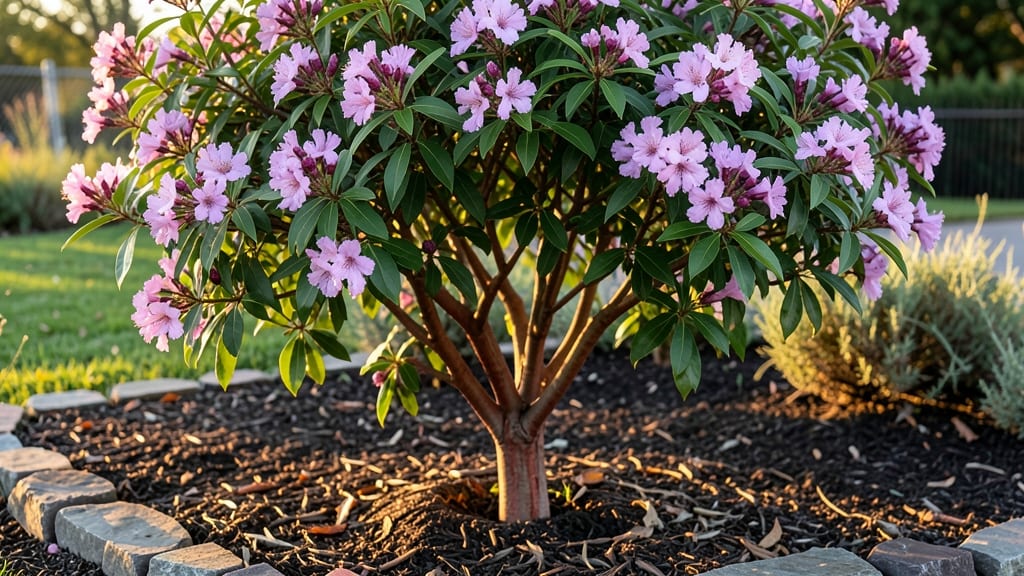
Planting year-round in zones 8 through 10 means your garden never sleeps. 🌿 These frost-light regions let you grow citrus, palms, and tropical veggies that would freeze elsewhere—but timing is everything. My first year here, I lost a dozen tender plants to late-season chills because I didn’t account for microclimates.
Mild winters (rarely below 10°F) and long growing seasons (300+ frost-free days) change everything. You’ll sow cool-season crops like lettuce in fall, then transition to tomatoes and peppers by spring. Urban areas may have heat islands that push planting dates earlier than rural spots—always check local frost records.
By summer, you’ll be harvesting basil, eggplant, and even sweet potatoes while others are still waiting for their first frost. The key is adjusting watering (more frequent in heat) and protecting young plants from rare cold snaps with row covers or shade cloth.
This isn’t just about what you plant—it’s about when. Learn the subtle shifts between zones 8, 9, and 10, and you’ll turn your garden into a four-season powerhouse. Let’s break down the exact schedule that works here.
📚 In This Guide
- What you need
- Instructions
- Tips and common mistakes
- Wrapping up and next steps
What you need
- ● Seeds or seedlings: Choose native or well-adapted plants for your zone (e.g., citrus, succulents, herbs, or tropical veggies like okra or sweet potatoes). Pro tip: 💡 Start with 5–10 varieties to test what thrives best!
- ● High-quality potting mix: 10–20 bags (depending on garden size), ensuring it’s well-draining and rich in organic matter (e.g., coco coir + perlite blend for containers).
- ● Containers or raised beds: For containers: 5-gallon pots (minimum) or larger (10+ gallons for citrus or deep-rooted plants).
- ● For in-ground: Raised beds (4’x8’ or custom sizes) with drip irrigation compatibility.
- ● Mulch: 2–3 cubic yards of organic mulch (e.g., straw, wood chips, or pine bark) to retain moisture and regulate soil temp.
- ● Fertilizer: Slow-release granular fertilizer (e.g., 10-10-10 or organic options like composted manure).
- ● Liquid fertilizer (e.g., fish emulsion or seaweed extract) for foliar feeding.
- ● Drip irrigation system: 50–100 ft of tubing + emitters (adjust based on garden size) to automate watering.
- ● Soil pH test kit: To monitor and adjust pH (ideal range: 6.0–7.0 for most plants).
- ● Hand trowel & pruners: For planting and trimming.
- ● Garden gloves: Heavy-duty to protect against thorns or rough soil.
- ● Wheelbarrow: For hauling soil, mulch, or tools.
- ○ Hose with adjustable nozzle: For watering (optional if using drip irrigation).
- ● Sun hat & sunscreen: Because you’re part of the garden too! ☀️
- ● Shade cloth: 30–50% coverage for seedlings or heat-sensitive plants.
- ● Grow lights: LED bulbs (full-spectrum) for indoor seed starting or winter extensions.
- ● Compost bin: To recycle kitchen scraps into nutrient-rich soil.
- ● Plant markers: Biodegradable labels for tracking varieties.
- ● Soil moisture meter: To avoid over/under-watering.
How to plan year-round plantings in zones 8 through 10
Here's the seasonal breakdown I use to keep my garden productive every month—no dead patches or wasted effort.
🌱 Step 1: Start Cool-Season Crops in Early Fall
As summer winds down, plant cool-season vegetables like lettuce, spinach, and broccoli between mid-August and early October. These thrive in the mild temperatures of zones 8-10, avoiding the heat stress that kills them in summer. Choose varieties labeled for short-day conditions, like 'Black Seeded Simpson' lettuce or 'De Cicco' broccoli.
Prepare the soil by working in 2-3 inches of compost to replenish nutrients after summer crops. Water deeply after planting to settle the soil around roots, then maintain 1 inch of water weekly—more during dry spells. You'll see first true leaves appear in 7-14 days, signaling successful establishment.
☀️ Step 2: Transition to Warm-Season Plantings in Late Winter
When daytime temperatures consistently reach 60°F (typically late January to early March), it's time for warm-season crops like tomatoes, peppers, and cucumbers. Start seeds indoors 6-8 weeks before last frost—around mid-November for most zone 8-10 areas—to give them a head start.
Hardened-off seedlings can go into the garden by mid-March once soil warms to 65°F. Use row covers or shade cloth for the first week to protect tender plants from unexpected cold snaps. Watch for new leaf growth within 7-10 days—this confirms they're adapting well.
🌿 Step 3: Summer Succession Planting for Continuous Harvests
In zones 8-10, summer heat doesn't have to mean a gardening break. Plant quick-maturing crops like bush beans, zucchini, and radishes every 2-3 weeks from April through July to ensure a steady supply. Succession planting keeps the garden productive when other crops might slow down.
Focus on shade-tolerant varieties like 'Early Girl' tomatoes or 'Straight Eight' okra, which handle the midday sun better. Mulch heavily with 2-3 inches of straw to retain moisture and cool roots. You'll notice faster germination and stronger seedlings when soil stays consistently moist but not soggy.
⏰ Step 4: Fall Planting for Winter Harvests
Don't let the cooler months go to waste—plant garlic in October for next summer's harvest, and overwintering crops like kale and carrots in November. These handle the mild winters of zones 8-10 beautifully, often producing sweeter flavors after frost. Choose varieties like 'Winterbor' kale or 'Danvers' carrots for cold resilience.
Add a 2-inch layer of compost to the soil before planting to boost winter growth. Water deeply but reduce frequency as rainfall increases—aim for ½ inch of water weekly unless the ground stays dry. You'll see steady growth even in cooler months, with harvests possible until January or February.
🪴 Step 5: Year-Round Maintenance for Soil Health
Zones 8-10 allow for year-round gardening, but soil health is key. After each harvest, remove spent plants but leave roots in the ground to prevent erosion. Add 2-3 inches of compost or aged manure every 3-4 months to maintain fertility without overloading the soil.
Rotate crops annually to prevent disease buildup—never plant the same family (like tomatoes and peppers) in the same spot two years in a row. Test soil pH in late winter and adjust with lime or sulfur if needed. Healthy soil means fewer pests, stronger plants, and bigger harvests all year.
Tips & tricks for thriving year-round gardens in zones 8-10
These practical insights will help you maximize your garden's potential without the guesswork.
Seasonal Temperature Watch: The 60°F daytime mark in late January is your cue for warm-season crops—don't rush it! I've seen gardeners plant too early when nights still dip below 50°F, which stunts growth. Use a simple soil thermometer to confirm 65°F at planting depth before moving seedlings outdoors. This small check prevents transplant shock that can set plants back weeks.
Compost Timing Secret: That 2-3 inch compost layer in Step 1 isn't just about nutrients—it's about moisture retention too. I recommend adding it 2-3 weeks before planting cool-season crops so it has time to break down and warm up the soil. Cold compost can actually slow germination, especially for delicate greens like spinach. Think of it as pre-conditioning your soil for the new season.
Succession Planting Hack: When you're planting every 2-3 weeks during summer, I use color-coded plant markers to track varieties and planting dates. This visual system helps me remember which beds need harvesting soon and which can wait. The markers also deter animals from digging up fresh seedlings—bonus protection without extra work.
Winter Watering Wisdom: That ½ inch weekly watering guideline in cooler months might need adjustment. I check soil moisture by pushing my finger 2 inches deep—if it's dry at that depth, water; if damp, hold off. Overwatering in winter can lead to root rot, especially with heavy soils that don't drain well. A moisture meter makes this check effortless and prevents common winter gardening mistakes.
Pro Tips for Zones 8 Through 10
- These practical insights will help you maximize your garden's potential without the guesswork.
- Seasonal Temperature Watch: The 60°F daytime mark in late January is your cue for warm-season crops—don't rush it!
- Compost Timing Secret: That 2-3 inch compost layer in Step 1 isn't just about nutrients—it's about moisture retention too.
Frequently asked questions
about gardening in Zones 8 through 10—where warm winters and long growing seasons open up endless possibilities! Here are answers to the most common questions to help you navigate your year-round planting journey with confidence.Can I plant year-round in Zones 8-10?
Unlike colder zones, Zones 8-10 allow for three to four planting seasons—spring, summer, fall, and sometimes even winter (for frost-sensitive crops). Focus on heat-tolerant varieties in summer and cool-season crops in fall/winter. Just monitor frost dates and soil temps to time your plantings perfectly!
How do I handle light frosts in Zone 8?
Zone 8 can experience brief frosts (28–32°F), but many plants survive with minimal protection. Use row covers, frost cloths, or even mulch to shield tender plants. For extra-sensitive crops (like tomatoes or peppers), wait until after the last frost (typically late February–March) or start them indoors early.
What are the best winter crops for Zones 9-10?
Embrace the mild winters! Top picks include broccoli, kale, lettuce, carrots, and spinach (plant in fall for harvest in winter/spring). For Zone 10’s, you can even grow winter melons, snow peas, or radishes year-round. Just ensure well-draining soil and protect from unexpected chilly snaps.
When should I start seeds vs. transplanting?
Start seeds indoors
6–8 weeks before the last frost (Zone 8) or direct-sow in Zones 9-10 for heat-lovers like okra or sweet potatoes. Transplant cool-season crops (e.g., cabbage, onions) in fall for winter harvests. Use a planting calendar tailored to your zone for precision!
How do I deal with pests in warm climates?
Pests thrive in Zones 8-10! Combat them with crop rotation, companion planting (e.g., marigolds repel nematodes), and organic sprays like neem oil. Aphids and whiteflies are common—blast them off with water or introduce ladybugs. Mulching also deters soil-dwelling pests like slugs.
What if my Zone 8-10 garden gets too hot?
Extreme heat (above 90°F) stresses plants. Shade cloth (30–50%) helps, as does drip irrigation to keep roots cool. Choose heat-resistant varieties (e.g., ‘Heatmaster’ tomatoes) and avoid planting midday. Mulch heavily to retain moisture and protect roots.
Wrapping up and next steps
Gardening in Zones 8 through 10 offers a year-round playground for plant lovers—whether you're extending your harvest, experimenting with tropical delights, or simply enjoying lush greenery. The key takeaway? Timing is everything: align your planting with seasonal cues, microclimates, and plant-specific needs to maximize success.
With the right prep and a little patience, your garden can thrive even in the hottest or mildest conditions!
Ready to dig in? Start small—pick one new plant or season to test your newfound rhythm. Track your progress, tweak as needed, and soon, you’ll be the envy of the neighborhood with a bountiful, four-season oasis. 🌱✨