I’ve spent my whole life surrounded by plants—first in my grandfather’s greenhouse in rural Ohio, then in my own backyard where I turned every spare inch into a garden. There’s nothing quite like the quiet satisfaction of watching something grow from a tiny seed into something vibrant and alive. This site is my way of paying forward all the lessons I’ve learned along the way, whether it’s the best time to plant tomatoes in your zone or how to coax a struggling fern back to health. I write here because I believe gardening should be approachable, rewarding, and a little bit fun.
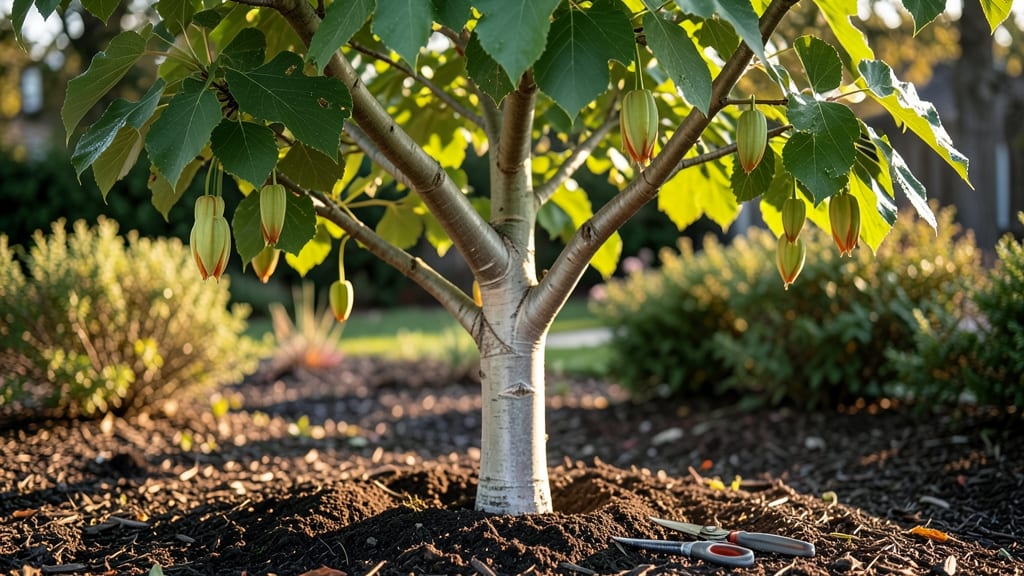
💥 Quick Answer Middle Tennessee primarily sits in USDA Hardiness Zones 6b and 7a, with some areas in 6a and 7b, creating a climate perfect for growing roses, tomatoes, and fruit trees. Always verify local microclimates…
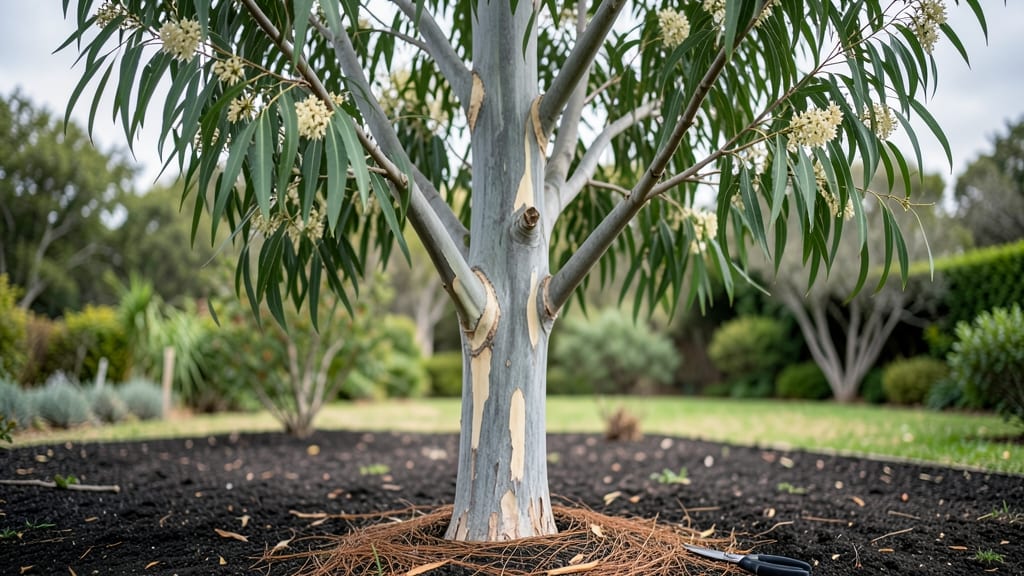
💥 Quick Answer Eucalyptus trees grow best in USDA zones 8 through 11, where they can handle temperatures down to 15°F (-9°C) for most varieties. However, frost-sensitive types like Eucalyptus globulus suffer damage…
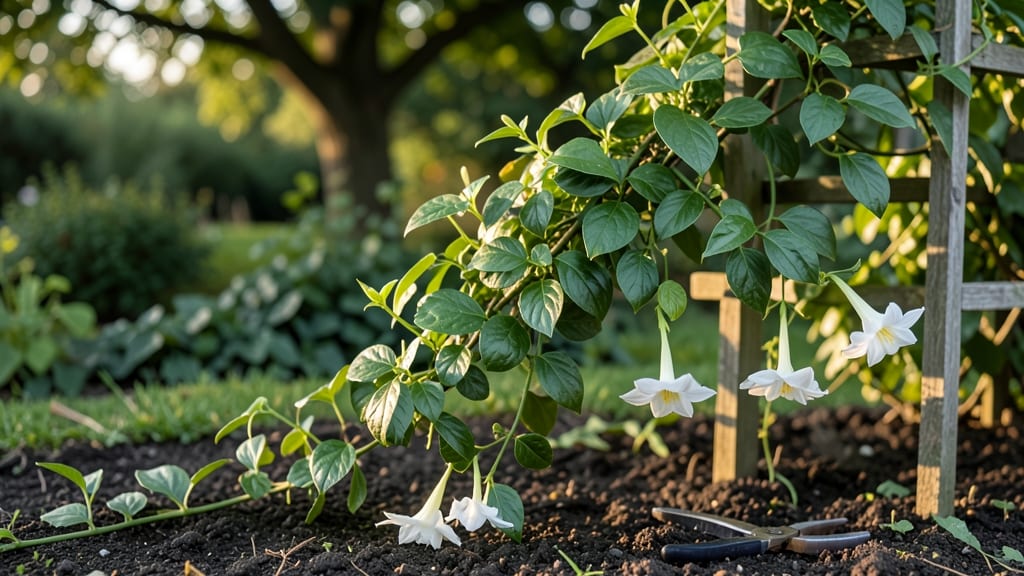
💥 Quick Answer Jasmine grows best in USDA Hardiness Zones 7 through 11, where mild winters above 10°F (-12°C) and warm summers without extreme heat create ideal conditions. Container gardening or sheltered spots can…
💥 Quick Answer Knowing the last frost date for Zone 7B helps you plan when to plant warm-season crops safely after the final spring freeze, typically between March 15 and April 15 , though local conditions can shift…
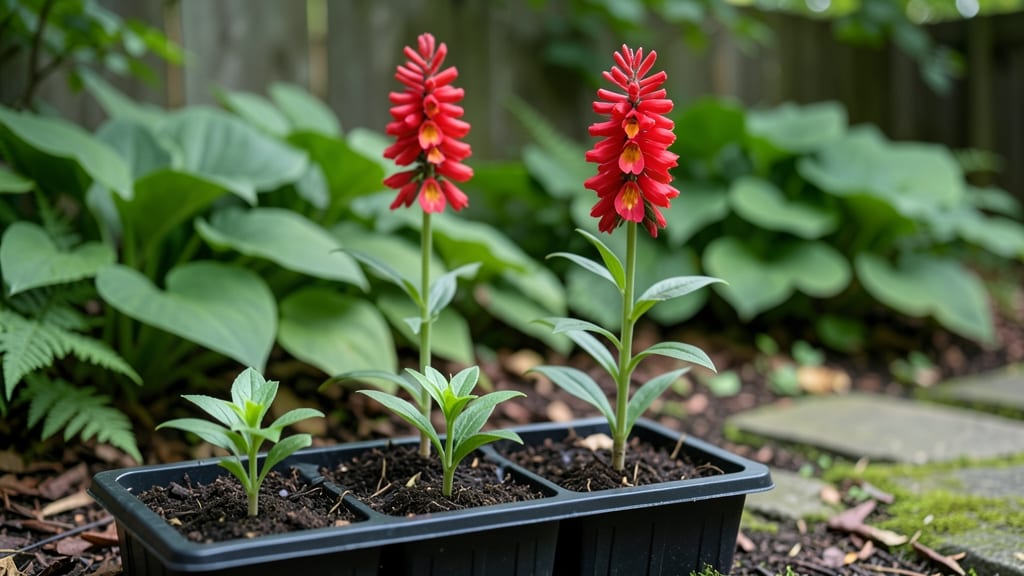
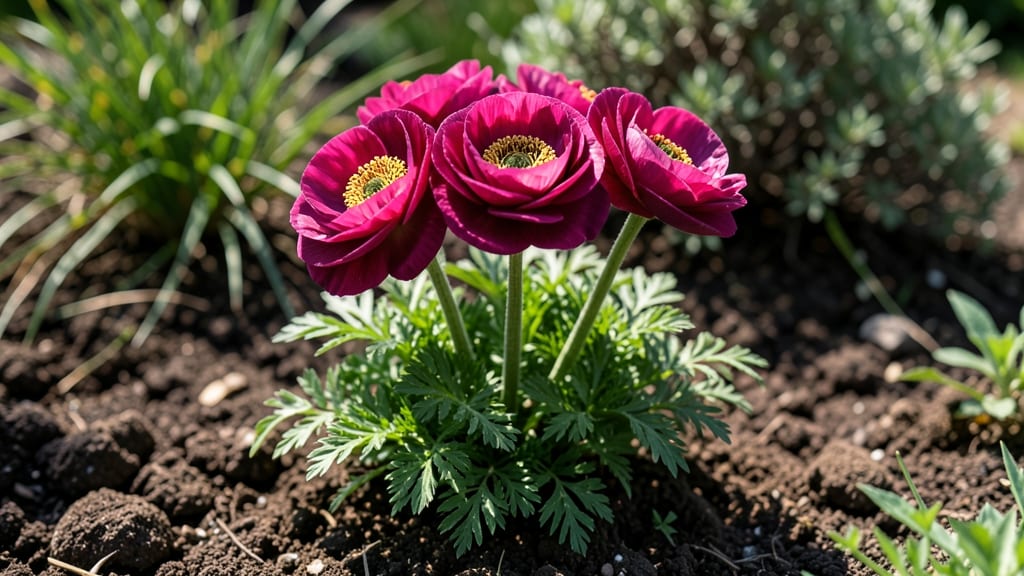
💥 Quick Answer Ranunculus plants thrive only as perennials in USDA zones 8-10, needing winter protection or annual replanting in colder areas because their delicate tubers freeze without proper care. These stunning…
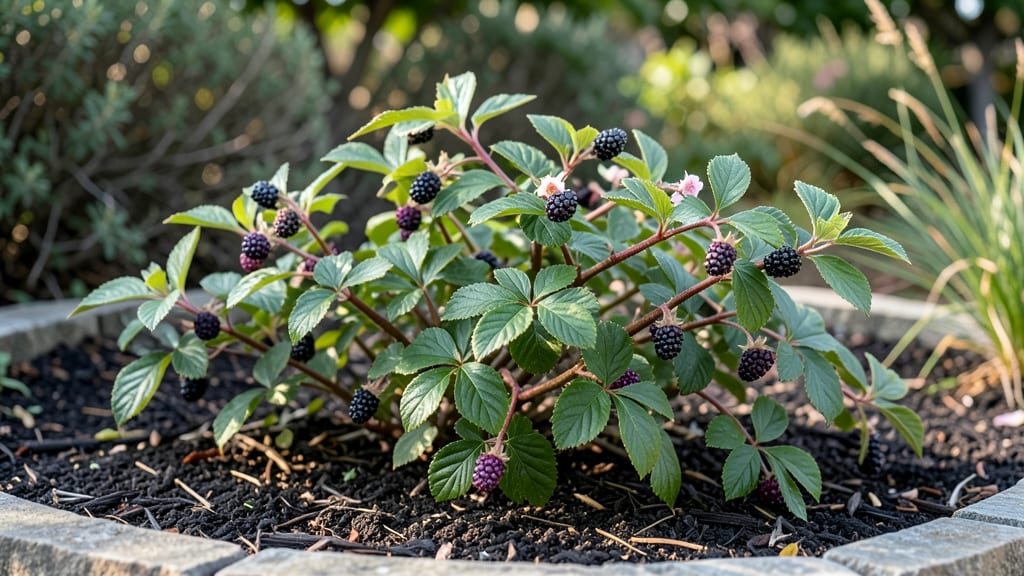
💥 Quick Answer The Arapaho Blackberry thrives in USDA Hardiness Zones 5 through 9, making it ideal for cold climates like the Midwest and Northeast. Plant in early spring after the last frost, typically between March…
Even in the snow in summer zone , growing heat-resistant plants like Cerastium tomentosum or Cerastium arvense thrives with afternoon shade and consistently damp soil—just avoid oversaturating. Mulching helps stabilize…
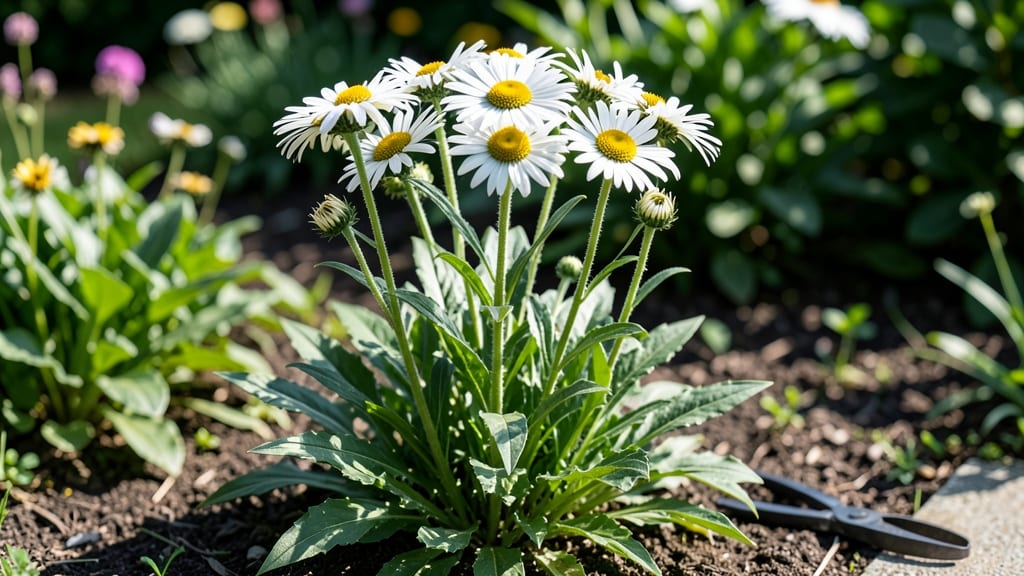
Shasta daisies thrive where winters chill but summers stay cool— zones 5 through 9 —and my garden proves they’re the unsung heroes of compact spaces. 🌼 These classic blooms handle frost like champs, but marginal zones…
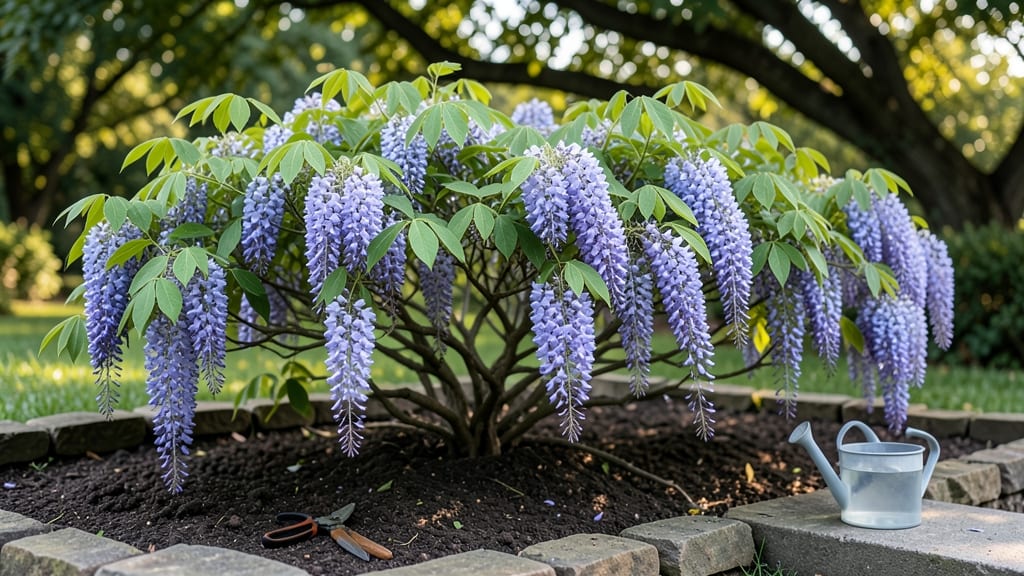
💥 Quick Answer Wisteria's hardiness zone range spans USDA zones 5 through 9 , where most varieties endure winter temperatures from 10°F to 30°F (-12°C to -1°C) . Cold-resistant species like Wisteria sinensis or Wisteria…
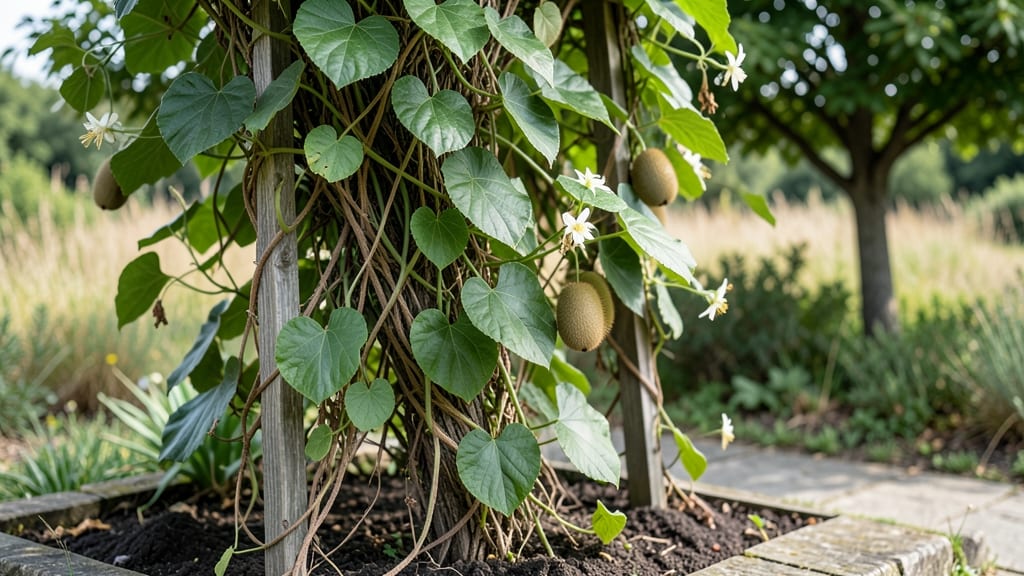
💥 Quick Answer Kiwi plants grow best in USDA Hardiness Zones 6 through 9, where temperatures rarely dip below -10°F (-23°C) and summers stay warm and humid. Hardy kiwi varieties can tolerate Zone 5 with proper winter…