
Planting
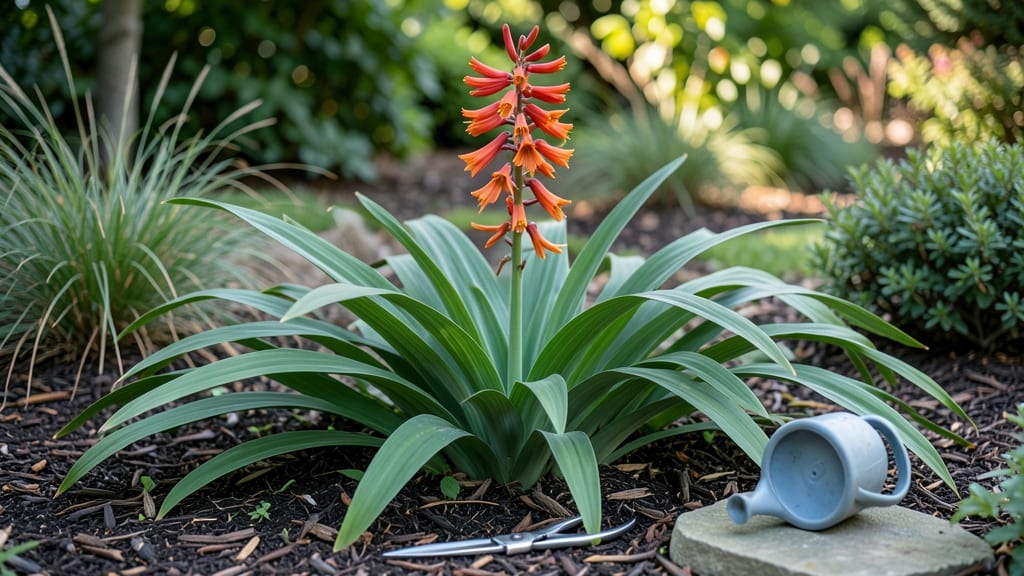
Crocosmia grows best in USDA Hardiness Zones 5 through 9, where its cold tolerance and heat adaptability allow for stunning seasonal blooms. These zones provide the perfect balance of winter chill and summer warmth for vigorous growth.
This zone range reflects crocosmia's ability to survive light frosts down to -20°F while thriving in summer temperatures up to 90°F. 🌱 The plant's natural dormancy during colder months and its preference for well-drained soil help it adapt across these zones.
For gardeners in marginal zones (like Zone 4 or 10), extra mulching or container planting can extend the plant's lifespan significantly.
What sets crocosmia apart is its versatility—it can handle the cooler climates of the Pacific Northwest just as well as the heat of the Southern United States. However, the key to success lies in proper soil preparation and seasonal care tailored to your specific zone.
For instance, gardeners in Zone 9 should avoid waterlogging, while those in Zone 5 might need to protect their plants with a thick layer of mulch during harsh winters.
💡 In This Article
- Understanding Crocosmia’s Climate Tolerances and Zone Adaptations
- Optimal Planting Strategies for Crocosmia in Various Zones
Understanding crocosmia’s climate tolerances and Zone adaptations
The USDA Zones 5-9 range for crocosmia reflects its remarkable balance between cold hardiness and heat tolerance. This plant's native habitat spans from the cool mountain slopes of South Africa to warmer coastal regions, which explains why it handles -20°F winter temperatures while thriving in 90°F summer heat.
The key lies in its deciduous nature—it sheds foliage in winter, entering dormancy when temperatures drop below 40°F, then regrows vigorously in spring when soil temperatures reach 55°F.
What makes crocosmia unique among perennials is its corm-based growth system. Unlike bulbs that store energy in a single underground structure, crocosmia corms produce multiple offsets, creating a natural insulation network that protects against freeze-thaw cycles.
In Zone 5, where winters can be harsh, these corms bury 4-6 inches deep to shield their growth points from -15°F temperatures. Meanwhile, in Zone 9's hotter climates, the plant's deep root system helps it access moisture during summer droughts, preventing heat stress.
The plant's seasonal dormancy patterns vary significantly by zone. In cooler Zones 5-6, crocosmia typically enters dormancy by late October and remains dormant until April, while in warmer Zones 8-9, it may stay active until December before slowing growth.
This adaptability explains why you'll see crocosmia blooming from early summer to fall—its flowering period extends longer in warmer zones where frost arrives later. The Emerald Flame cultivar, for example, blooms 2-3 weeks earlier in Zone 7 than in Zone 5.
For gardeners pushing the limits in Zone 4 or Zone 10, understanding these patterns is crucial. In Zone 4, where winters can drop below -25°F, crocosmia requires heavy mulching (6+ inches) or container planting with winter protection.
Conversely, in Zone 10's hotter climates, the plant may struggle with humidity and poor drainage, necessitating raised beds or amended soil with 50% organic matter to prevent root rot.
Another fascinating adaptation is crocosmia's light requirements. While it thrives in full sun (6+ hours daily), it demonstrates remarkable flexibility in partial shade—especially in hotter Zones 8-9 where afternoon shade can prevent leaf scorch. This makes it ideal for woodland gardens or understory plantings where other perennials might struggle.
The Lucifer cultivar, with its fiery red blooms, particularly excels in these conditions, producing 20-30% more flowers in partial shade compared to full sun.
What most gardeners don't realize is how crocosmia's soil temperature preferences affect planting success. The corms won't sprout until soil reaches 55-60°F, which typically occurs in Zone 5 by mid-April but as late as June in Zone 9.
This delayed emergence explains why early spring planting in warmer zones often fails—patience is key until soil warms sufficiently. The plant's ability to self-seed in optimal conditions also means it can naturalize beautifully in Zones 6-8, creating multi-year displays with minimal intervention.