
Planting
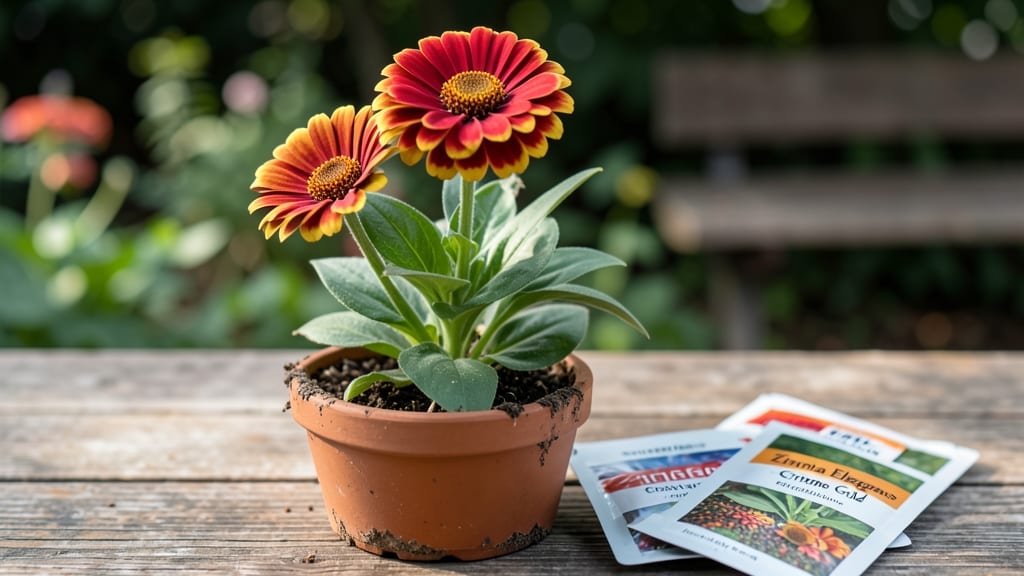
Zone 5 gardeners know the struggle—finding flowers that survive brutal winters and still burst into color every spring. 🌸 I’ve grown the same cold-hardy blooms for years, and these are the seeds that never disappoint, even after -20°F nights.
The secret isn’t just picking the right varieties; it’s knowing when to plant them for maximum resilience.
Start with perennials like coneflowers and black-eyed Susans—they’ll come back stronger each year with almost no effort. For annuals, marigolds and cosmos handle our short growing season like champs, while snapdragons give us early spring color before the heat sets in.
The key is planting perennials in late summer or early fall so roots establish before winter, and annuals 4-6 weeks before last frost for a head start.
You’ll end up with a garden that stays vibrant from May through October, even with our unpredictable weather. The perennials reward you with years of blooms, while the annuals fill gaps and attract pollinators like crazy.
Plus, once you master these varieties, you can experiment with tender annuals by starting them indoors in February for a longer season.
Zone 5 doesn’t have to mean a short-lived garden. With the right seeds and timing, you’ll have color from spring to frost—and a yard that makes neighbors jealous. Let’s get those seeds in the ground!
📚 In This Guide
- What you need
- Instructions
- Tips and common mistakes
- Wrapping up and next steps
What you need
- ● Flower seeds: Choose cold-hardy varieties like Black-eyed Susan, Coneflower, Marigold, or Lupine (1–2 packets per flower type). Opt for heirloom or organic seeds for best results.
- ● Seed-starting soil: 1–2 bags of sterile, well-draining potting mix (avoid garden soil—it can harbor diseases).
- ● Containers: Small pots (3–4 inches deep) or seed trays with drainage holes for 6–12 seedlings.
- ● Grow lights or sunny windowsill: A full-spectrum LED grow light (12–16 hours/day) or a south-facing window for seedlings.
- ● Watering can or spray bottle: With a gentle misting nozzle to avoid disturbing seeds.
- ● Plant labels: Popsicle sticks or biodegradable markers to track seed types.
- ○ Fertilizer (optional but helpful): A balanced, water-soluble fertilizer (e.g., 10-10-10) for transplanting.
- ● Heat mat: Speeds up germination for slow starters (like Delphinium).
- ● Seedling heaters: Keeps soil temps consistent (65–75°F for most flowers).
- ● Humidity dome: Retains moisture for delicate seeds (e.g., Snapdragons).
- ● Garden gloves: Protects hands from soil and thorns (e.g., Roses).
- ● Transplanting tools: Small trowel or spoon for moving seedlings outdoors.
Step-by-step guide to selecting and planting cold-hardy flower seeds in Zone 5
Zone 5’s unpredictable springs and frosty falls demand smart seed choices—but the right blooms reward you with years of effortless color.
🌱 Step 1: Choose Seeds That Survive Zone 5’s Climate
Focus on biennials and perennials like foxglove, hollyhock, and columbine—they establish roots in their first year and bloom reliably for seasons. Check seed packets for USDA Zone 3-5 labels, as these varieties tolerate -20°F to -30°F without fuss. I avoid tender annuals like marigolds unless I’m sowing after the last frost, which in Zone 5 is typically mid-May.
For spring color, opt for seeds like lupine or sweet william, which germinate in cool soil. Summer bloomers such as black-eyed Susan or coneflower need 60-70°F soil to sprout, so wait until late April or early May. Here’s the thing—some seeds, like poppies, need light to germinate, so don’t bury them deeper than ¼ inch.
💧 Step 2: Time Your Planting for Zone 5’s Frost Window
Direct-sow hardy seeds in late summer (August) or early spring (March-April), when soil temps hover around 50-60°F. This timing lets seeds establish roots before winter’s chill. I mark my calendar for 4-6 weeks before the first frost—that’s when I scatter biennial seeds like foxglove so they germinate but stay dormant through winter.
For annuals, wait until 2 weeks after your last frost date (usually May 15 in most of Zone 5). Test soil readiness by pressing your finger in—if it’s dry 1 inch down, it’s time. Overwatering now can rot seeds before they sprout. I use a spray bottle to mist the soil until it’s damp but not soggy, then cover lightly with a ¼-inch layer of compost to retain moisture.
☀️ Step 3: Prepare the Soil for Long-Term Success
Zone 5’s clay-heavy soils drain poorly, so amend your beds with 2-3 inches of compost mixed into the top 6 inches of soil. I add a handful of bone meal for phosphorus to encourage root growth, especially for perennials. Work the amendments in until the soil looks dark and crumbly—this prevents compaction and improves water absorption.
Choose a location with 6+ hours of sunlight daily for most blooms, though shade-tolerant options like astilbe or lungwort thrive in partial shade. Avoid low spots where frost lingers. I rake the soil smooth after amending to create a fine seedbed—this ensures even contact between seeds and earth, which is critical for germination.
⏰ Step 4: Monitor and Protect New Growth
Watch for first true leaves (the second set after the initial seed leaves) as your cue to thin seedlings. Use scissors to snip weak stems at soil level—this prevents disturbing roots of nearby plants. In Zone 5, a late frost can still strike after seeds sprout, so keep a frost cloth handy to drape over beds if nighttime temps dip below 32°F.
Water deeply once a week during dry spells, aiming for 1 inch of water total. You’ll know you’ve watered enough when the top 2 inches of soil stay moist but not waterlogged. Mulch with 2 inches of straw after plants reach 3 inches tall to insulate roots and suppress weeds. This is the moment that matters: consistent moisture now means stronger blooms next season.
🌿 Step 5: Plan for Year-Round Interest
Mix seed types for staggered blooms—sow early spring bulbs like crocus in fall, summer annuals like zinnias in late May, and fall-blooming asters in early July. I sketch a simple garden map to visualize color transitions. For example, purple coneflower (which blooms July-September) pairs beautifully with goldenrod (late summer) and Russian sage (fall).
Deadhead spent blooms on perennials to encourage reblooming, but leave seed heads on native plants like black-eyed Susan to feed birds and attract pollinators. In Zone 5, some perennials like bee balm may die back in winter—simply cut stems to 2 inches tall in early spring and watch for new growth. The key is patience: many perennials take 2-3 years to reach full bloom, but they’ll reward you for decades.
Tips & tricks for perfect cold-hardy flower gardens in Zone 5
These practical strategies will help you navigate Zone 5's tricky climate and create a garden that blooms beautifully year after year.
Seed Selection Strategy: When choosing seeds, prioritize those labeled for USDA Zones 3-5—they're specifically bred to withstand Zone 5's temperature swings. I always check the maturity date too: biennials like foxglove need two growing seasons to establish, while perennials like coneflower will reward you for years. For spring bloomers, look for varieties that tolerate light frost—this gives you a head start on color before summer heat arrives.
Soil Preparation Secret: Zone 5's clay-heavy soils can be challenging, but proper amending makes all the difference. I mix in 2-3 inches of compost with a handful of bone meal for phosphorus—this creates the perfect environment for root development. The key is working amendments into the top 6 inches of soil, not just spreading on top. This creates a loose, crumbly texture that improves water absorption and prevents compaction, which is crucial for young seedlings.
Frost Protection Technique: Late frosts can still catch us off guard in Zone 5, even after seeds have sprouted. I keep frost cloths handy and drape them over new growth whenever nighttime temperatures dip below 32°F. For extra protection, I also use row covers or even old bedsheets in a pinch. The goal is to shield young plants without smothering them—leave some airflow to prevent moisture buildup that could lead to fungal issues.
Watering Wisdom: The once-a-week deep watering rule works well, but I've learned to adjust based on our unpredictable weather. Aim for 1 inch of water total, but check the top 2 inches of soil first—it should be moist but not waterlogged. In our clay soil, water tends to pool, so I always create small mounds around seedlings to prevent root rot. Mulching with 2 inches of straw after plants reach 3 inches tall helps maintain even moisture levels and suppresses weeds.
Pro Tips for Flower Seeds For Zone 5
- These practical strategies will help you navigate Zone 5's tricky climate and create a garden that blooms beautifully...
- Seed Selection Strategy: When choosing seeds, prioritize those labeled for USDA Zones 3-5—they're specifically bred t...
- Soil Preparation Secret: Zone 5's clay-heavy soils can be challenging, but proper amending makes all the difference. ...
Frequently asked questions
Got questions about growing flower seeds in Zone 5? You’re not alone—many gardeners wonder how to make the most of their cold-hardy blooms! Here are answers to the most common queries to help you succeed.
When is the best time to plant flower seeds in Zone 5?
Most Zone 5 flower seeds should be sown after the last frost (typically late April to early June). However, cold-hardy annuals like cosmos or larkspur can be direct-sown in early spring. Perennials often prefer fall planting for better root establishment. Check your seed packet for specifics!
Can I plant flower seeds too early in Zone 5?
Yes, but timing matters! If you plant too early, seeds may rot in cold, wet soil. Use a seed-starting kit indoors 6–8 weeks before the last frost for tender varieties. For hardy annuals, wait until soil temps reach 50°F+ (10°C+). A frost cloth can protect seedlings if night temps dip.
What are the easiest flower seeds to grow in Zone 5?
If you’re a beginner, start with low-maintenance options like:
- Marigolds – Pest-repellent and fast-growing.
- Zinnias – Bright, long-lasting blooms with minimal care.
- Sunflowers – Hardy and great for pollinators.
- Calendula – Edible petals and self-seeding.
Why aren’t my Zone 5 flower seeds germinating?
Common culprits include old seeds (test viability first), poor soil contact (press seeds lightly), or incorrect moisture (keep soil damp, not soggy). Try stratifying seeds (chilling them) if the packet suggests it. If all else fails, check seed freshness—some lose viability after 1–2 years.
Are there any perennials that self-seed reliably in Zone 5?
Try these self-seeding perennials for low-effort blooms:
- Black-eyed Susans – Drought-tolerant and cheerful.
- Coneflowers – Attracts butterflies and pollinators.
- Yarrow – Thrives in poor soil and spreads easily.
- Columbine – Shade-tolerant with unique flowers.
Wrapping up and next steps
Growing flower seeds for Zone 5 is a rewarding way to bring vibrant color and life to your garden, even in cooler climates! With the right cold-hardy varieties—like Black-Eyed Susans, Coneflowers, or Russian Sage—you can enjoy long-lasting blooms year after year.
The key is choosing seeds suited for your zone, preparing the soil properly, and giving them the care they need to thrive.
Now that you’re armed with knowledge, take the next step—visit your local nursery or order seeds online, then mark your calendar for planting! Whether you’re a beginner or a seasoned gardener, your future garden will thank you for the effort. Happy planting! 🌸