
Planting
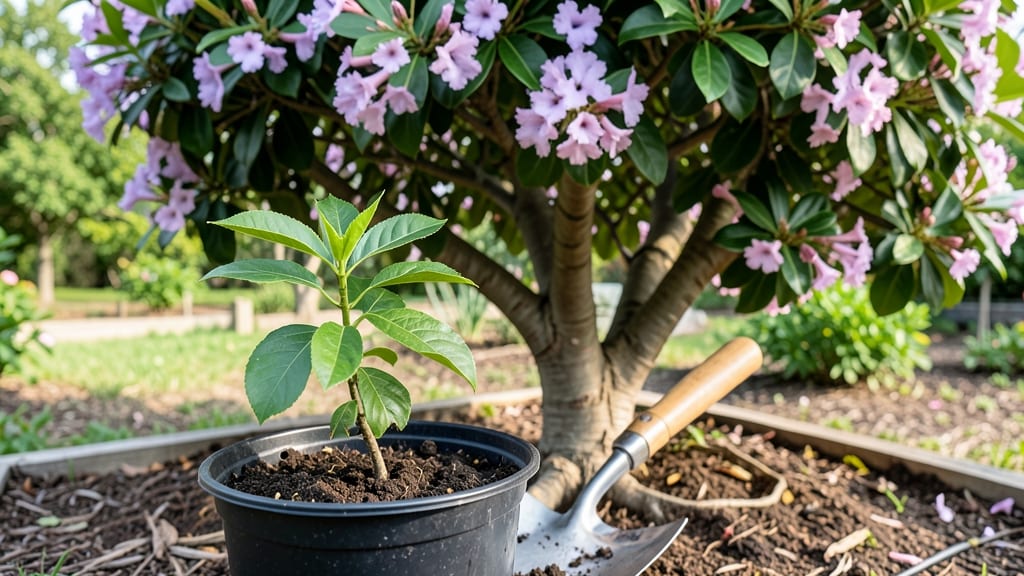
The last frost date for Zone 8A in 2025 is typically March 15, with a historical range spanning late February to early April. Verify local microclimates, as urban areas may warm faster than rural zones. Use this as a guide for transplanting tender crops after soil warms to 60°F+.
Understanding your last frost date is crucial because it marks the transition from winter chill to growing season. 🌱 In Zone 8A, this date shifts slightly each year due to climate patterns, but the March 15 average gives gardeners a reliable starting point for planning.
Urban gardens often experience earlier warming than rural areas, so checking local weather trends or using tools like the National Weather Service's frost calculator can refine your timing.
For example, if you're planting heat-sensitive crops like tomatoes, waiting until after the last frost ensures they won't be damaged by unexpected cold snaps.
This date also determines when to start seeds indoors or begin direct sowing for cool-season crops like spinach and kale. Soil temperature is just as important as air temperature—most plants need soil to reach at least 60°F before transplanting.
I always test my soil with a thermometer to confirm readiness, especially in years with unpredictable weather. For warm-season plants like peppers, you'll want to wait until after the last frost and ensure nighttime temperatures stay consistently above 55°F.
💡 In This Article
- How to Determine Your Exact Zone 8A Last Frost Date
- Zone 8A Planting Timeline: When to Start Seeds and Transplant
How to determine your exact zone 8A last frost date
The USDA Zone 8A classification accounts for average minimum temperatures between 10°F and 15°F, but frost dates vary based on microclimates—localized weather patterns influenced by elevation, water bodies, and urban heat islands.
For example, areas near large lakes or rivers may experience later frosts due to water's heat retention, while urban zones like downtown Atlanta can warm 2-3 weeks earlier than rural areas.
The National Oceanic and Atmospheric Administration (NOAA) uses 30-year climate averages to calculate these dates, but 2025's El Niño patterns could shift the timeline by 5-7 days earlier or later.
Frost prediction models rely on three key factors: historical data, current weather trends, and elevation adjustments. For instance, every 1,000 feet increase in elevation typically adds 3-5 days to your last frost date.
Tools like the National Weather Service's Frost/Freeze Forecast provide real-time updates, while local agricultural extensions offer hyper-localized advice. I've found that cross-referencing these with 10-year frost records from your county's weather station adds precision—some years, like 2021, saw last frosts as early as February 22 in Zone 8A.
Soil temperature matters more than air temperature for planting. Most frost prediction tools focus on air temps, but your plants need soil to reach 60°F for root establishment. In Zone 8A, this often happens 10-14 days after the last air frost.
I use a soil thermometer buried 4 inches deep to confirm readiness—cold soil can stunt growth even if the air is warm. For heat-sensitive crops like eggplants, waiting until soil hits 70°F prevents transplant shock.
Urban gardeners face unique challenges: concrete and pavement absorb heat during the day but radiate it back at night, creating microclimates that can be 5-10°F warmer than surrounding areas. This "urban heat island" effect can make your last frost 1-2 weeks earlier than rural predictions.
To account for this, I recommend checking local weather stations (like those at airports) rather than relying solely on USDA averages. For example, Atlanta's Hartsfield-Jackson Airport records often differ from suburban areas by 7 days.
Advanced gardeners use frost-freeze probability maps from sources like the Midwestern Regional Climate Center. These show the 10% and 50% probability dates for frost—helping you balance risk.
For instance, the 50% probability date (March 15) means there's a 50% chance of frost after this date, while the 10% probability date (April 1) means only a 10% chance. This nuance helps decide whether to use frost cloth for early transplants.
Don't forget about radiation frosts, which occur on clear nights when heat escapes rapidly. These are common in Zone 8A's valleys and low-lying areas. To protect tender seedlings, I've used row covers or even old bedsheets secured with bricks—these can raise temperatures by 5-10°F overnight.
For precise timing, I monitor the National Weather Service's "Frost Advisory" alerts, which trigger when temps are expected to drop below 36°F.