
Container Gardens
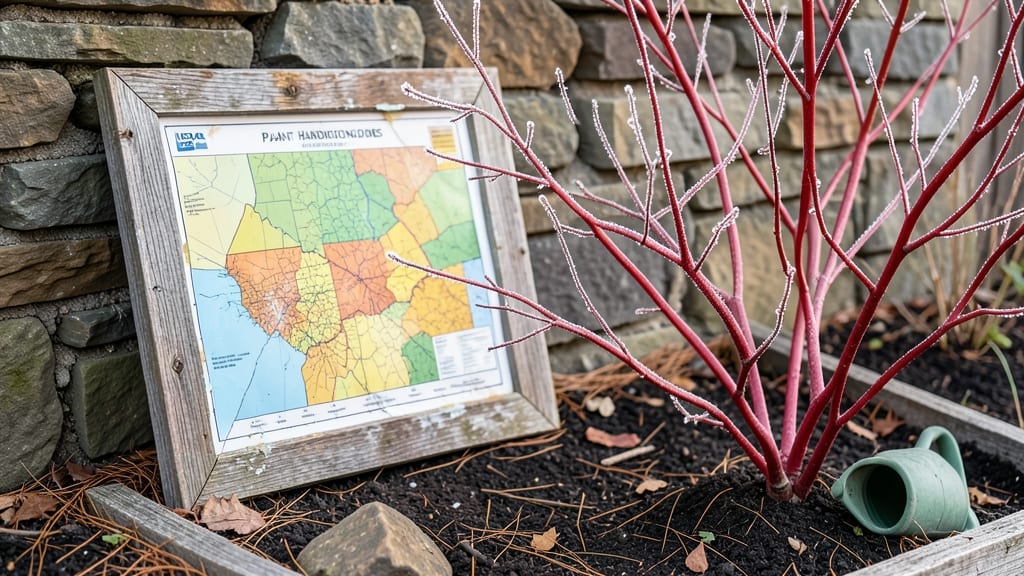
Wondering what growing zone is Chicago, IL?
You’re in USDA Zone 5b—with suburbs often edging into 6a—and that small shift can mean the difference between thriving plants and frost-kissed failures. 🌱 I’ve learned the hard way that planting too early means seedlings meet their icy end, while waiting too long means summer’s over before your tomatoes ripen.
Knowing your exact zone helps you time everything from seed-starting to harvest, so you’re not left with sad, half-grown veggies when Jack Frost pays an early visit.
The zone affects more than just frost dates—it dictates which plants thrive in your soil and how long your growing season really lasts. Zone 5b means your last frost typically hits around mid-April, but don’t get cocky: those dates can swing by 2-3 weeks depending on the year.
That’s why I double-check the USDA Plant Hardiness Zone Map or call my local extension office every spring—because a single week of warmth can turn a failed crop into a bountiful one.
Once you know your zone, you’ll pick cold-hardy varieties like kale, broccoli, and peas for early planting, then shift to heat-lovers like tomatoes and peppers once the soil warms to 55°F. The payoff? A garden that actually produces instead of just looking pretty.
And if you’re unsure about your exact spot, grab a free zone map from the USDA—your future self (and your dinner plate) will thank you.
Pro tip: Microclimates matter. A south-facing wall or urban heat island can push you into Zone 6a, while low spots might stay colder. Test your space with a minimum thermometer for a full year to nail down your true growing conditions. Now, let’s get those planting dates locked in!
📚 In This Guide
- What you need
- Instructions
- Tips and common mistakes
- Wrapping up and next steps
What you need
- ● Containers: 3–5 drainage-friendly pots (5–15 gallons each, depending on plant size). Opt for terracotta, plastic, or fabric grow bags with drainage holes.
- ● High-Quality Potting Mix: 1–2 bags of lightweight, well-draining mix (avoid garden soil—it compacts!). Look for blends labeled for container gardening.
- ● Drainage Layer: Small pebbles, perlite, or expanded clay pellets (1–2 inches per container) to prevent root rot.
- ● Fertilizer: Slow-release granular fertilizer (e.g., Osmocote) for seasonal feeding.
- ● Liquid balanced fertilizer (10-10-10 or 20-20-20) for mid-season boosts.
- ● Mulch: Shredded bark or coco coir (1–2 inches) to retain moisture and regulate soil temp.
- ● Tools: Trowel or small hand shovel
- ○ Garden gloves (optional but highly recommended!)
- ● Watering can or hose with a gentle spray nozzle
- ● Cold Hardiness: Choose Zone 5b-6a plants (e.g., kale, pansies, or cold-hardy herbs like thyme). Check tags for hardiness zones!
- ● Heat Tolerance: For summer containers, pick heat-resistant varieties (e.g., peppers, basil, or drought-tolerant succulents).
- ● Sunlight Audit: Note your space’s sunlight hours—Chicago’s full sun (6+ hrs) spots are prime for tomatoes, while partial shade (3–6 hrs) suits herbs.
- ● Self-watering container liners (for travel or busy schedules).
- ● Soil moisture meters (to avoid over/under-watering).
- ● Decorative container trays (to catch runoff and add style!).
- ● Plant markers (to track varieties and planting dates).
How to use Chicago’s growing zones for perfect planting timing
Chicago’s climate shifts between USDA Zone 5b (colder winters) and 6a (warmer summers), which means precise timing is everything for success.
☀️ Step 1: Understand Chicago’s Frost Dates
Chicago’s last spring frost typically arrives between mid-April and mid-May, with May 15 being the safest bet for most gardeners. I always wait until after Mother’s Day to plant tender annuals like tomatoes and peppers—any earlier, and a late frost will turn your hard work into sad, wilted plants.
For fall planting, mark October 15 as your cutoff. After that, nights dip below 28°F, which kills most vegetables. I’ve learned the hard way that even hardy kale won’t survive if planted too late—watch for consistent 50°F daytime temps before starting cool-season crops.
🌱 Step 2: Match Plants to Chicago’s Seasonal Phases
Divide your garden into three seasonal blocks: early spring, summer, and late fall. Early spring (March–April) is for cold-hardy crops like peas, spinach, and lettuce—these tolerate 20–30°F soil temps. I start seeds indoors in early March for transplants ready by late April.
Summer (May–September) is when heat-lovers like beans, cucumbers, and basil thrive. These need soil temps above 60°F to germinate—test with a soil thermometer if seedlings aren’t emerging. Fall (September–October) is for brassicas (broccoli, cabbage) and root crops (carrots, beets), which handle 40–50°F soil.
⏰ Step 3: Adjust for Microclimates in Chicago
Chicago’s Lake Michigan effect creates pockets of warmth near water, while inland areas freeze faster. If you’re near the lake, you can push planting dates 1–2 weeks earlier for heat-sensitive crops. I’ve seen neighbors in Lincoln Park plant tomatoes two weeks before those in Rogers Park—location matters.
Urban heat islands (paved areas) also raise temps by 5–10°F. If your garden sits near concrete, opt for drought-tolerant plants like Swiss chard or rosemary, which handle the extra heat. Always scout your space for sun exposure shifts—a north-facing wall casts shade earlier than you’d expect.
🌿 Step 4: Use Succession Planting for Continuous Harvests
Chicago’s short growing season demands overlapping plantings. Start cool-season crops like radishes every 2 weeks from March to August for nonstop harvests. I plant three batches of lettuce: one in early April, one in late June (shade cloth helps), and one in early September.
For warm-season crops, stagger plantings every 10–14 days until July 15. This ensures a steady supply of zucchini, green beans, and peppers instead of a single glut. I label each row with dates to track maturity—no more forgetting which batch is ready!
Tips & tricks for perfect Chicago planting timing
Chicago’s growing seasons demand precision—and these tricks will help you avoid common planting mistakes that waste time and effort.
Frost Date Flexibility: While May 15 is the safest bet for tender crops, I’ve found that checking your local weather forecast for the week before planting can give you an extra 3-5 days of wiggle room. If nighttime temps stay above 40°F consistently, you can push those tomatoes out a few days earlier without risking frost damage. Just keep a small space heater handy for those just-in-case nights!
Soil Temperature Secrets: The 60°F soil temp threshold for warm-season crops is non-negotiable, but don’t guess—grab a soil thermometer (they’re cheap!). I test soil temps in the morning when it’s coolest, and if it’s below 60°F, I wait. Pro tip: Dark-colored mulch can raise soil temps by 5-10°F faster than bare soil, giving you an earlier start for heat-lovers.
Microclimate Mapping: Before planting, walk your garden space at different times of day to identify microclimates. I mark my garden with stakes showing sun exposure patterns—some areas get morning sun only, others get full afternoon heat. This helps me place heat-sensitive crops like lettuce in cooler spots while putting tomatoes where they’ll get maximum warmth.
Succession Planting Shortcuts: Instead of trying to remember all those 2-week intervals, I use a simple color-coded system: green markers for cool-season crops, red for warm-season. Each marker shows the planting date, and I can see at a glance which rows need attention. For warm-season crops, I set reminders every 10 days until July 15—my phone won’t let me forget!
Pro Tips for What Growing Zone Is Chicago Il
- Chicago’s growing seasons demand precision—and these tricks will help you avoid common planting mistakes that waste time and effort.
- Frost Date Flexibility: While May 15 is the safest bet for tender crops, I’ve found that checking your local weather forecast for the week before planting can give you an extra 3-5 days of wiggle room.
- Soil Temperature Secrets: The 60°F soil temp threshold for warm-season crops is non-negotiable, but don’t guess—grab a soil thermometer (they’re cheap!).
Frequently asked questions
What’s the difference between USDA Zone 5b and 6a in Chicago?
Zone 5b (avg. min temp: −15°F to −10°F) and 6a (0°F to −5°F) split Chicago’s risk of frost. The northern suburbs lean 5b, while downtown and south sides often fall into 6a. Why it matters: Hardier plants (like Russian sage) thrive in 5b, while tender varieties (e.g., tomatoes) need the extra warmth of 6a.
When can I safely plant outdoors in Zone 5b-6a?
Wait until after the last frost (typically mid-May for 6a, late May for 5b). Use a frost clock or local weather alerts—Chicago’s unpredictable spring can delay planting by weeks! For containers, extend the season with row covers or move pots indoors when temps drop below 40°F.
Can I grow tropical plants (like hibiscus or citrus) in Chicago containers?
Overwinter tropicals in bright, unheated garages or use insulated grow bags. For citrus, choose dwarf varieties (e.g., Calamondin) and keep them in south-facing containers near a sunny wall. Pro tip: Mulch pots with bubble wrap in winter to shield roots from freeze-thaw cycles.
Why did my plants die despite following Zone 5b guidelines?
Common culprits: microclimates (e.g., urban heat islands can push temps into Zone 6b), poor drainage in containers, or overwatering (Chicago’s clay soil + pots = soggy roots). Fix it: Elevate containers, use well-draining mixes, and monitor soil moisture—stick your finger in! For repeat offenders, try cold-hardy alternatives like kale or pansies.
How do I adjust planting timelines for container gardens vs. in-ground?
Containers warm up faster in spring (so plant 1–2 weeks earlier than in-ground) but also cool down quicker in fall. Extend your season:
- Spring: Use black pots to absorb heat.
- Fall: Swap summer plants for cold-tolerant varieties (e.g., bok choy) and add mulch to pots.
- Winter: Move sensitive plants to protected spots (e.g., porches) or use greenhouse fabric.
Wrapping up and next steps
Now that you know Chicago falls in USDA Zones 5b-6a and when to plant your container garden, you’re ready to grow with confidence! 🌱 Whether you’re a first-time gardener or a seasoned green thumb, understanding your zone and timing is the key to a thriving urban harvest. Start small, track your progress, and soon you’ll be enjoying fresh herbs, veggies, or flowers right from your balcony or patio!
Your next step? Pick your first container-friendly plants—like lettuce, cherry tomatoes, or basil—and dive in! Check out our planting guides for zone-specific tips to keep your garden flourishing all season long.