
Plants
February in Zone 9B offers a unique window to start frost-resistant crops before summer heat arrives. These 10 early-season plants leverage mild temperatures and moisture to establish strong roots for bountiful harvests—ideal for gardeners eager to beat the competition.
Cold-Hardy Lettuce Varieties for Early Harvests

Skip the summer heat and enjoy crisp, fresh salads by planting cold-hardy lettuce varieties like 'Winter Density' in February. This bolt-resistant type thrives in Zone 9B's mild winter soils, delivering tender leaves in just 30 days—ideal for early spring harvests before temperatures rise.
Direct-sow seeds in well-draining soil with partial shade to prevent bolting, and keep the bed consistently moist. Harvest outer leaves first to encourage continuous growth, and protect young plants with lightweight row covers if frost warnings appear. This variety’s sweet, buttery flavor makes it perfect for gardeners craving fresh greens without waiting for summer.
Perfect for small spaces or containers, these lettuces are a beginner-friendly crop that rewards patience with quick results. Add them to your February planting plan for a head start on the growing season! 🌿
Spinach 'Bloomsdale Long Standing' for Nutrient-Dense Greens

If you're growing spinach for its nutrient density—not just speed—Bloomsdale Long Standing delivers the richest flavor and highest vitamin content in Zone 9B's mild February conditions. Unlike fast-bolting varieties, this heirloom prioritizes leaf quality over rapid growth, making it perfect for gardeners who want savory, tender greens packed with iron and vitamin K.
Sow seeds directly into well-drained soil with partial shade (3-4 hours of sun daily) to prevent bolting. Mulch with straw to retain moisture and protect young plants from light frosts (down to 20°F). Harvest outer leaves first to encourage continuous production—ideal for cut-and-come-again harvests over 60 days. The deep, crinkled leaves hold up better in heat than smooth varieties, extending your season.
This spinach is a game-changer for health-focused gardeners or those who love cooking with homegrown greens. Its slow-to-bolt nature means fewer bitter leaves, giving you consistently sweet, flavorful harvests all season long. 🌿
Radishes 'Cherry Belle' for Fast, Colorful Harvests

If you're craving instant gratification in the garden, radishes 'Cherry Belle' deliver with a 30-day harvest—perfect for February planting in Zone 9B. These sweet, bright red radishes thrive in cool soil and add vibrant pops of color to plates and garden beds alike, while their pungent aroma naturally deters pests like flea beetles.
Sow seeds directly in well-draining soil with 1/2 inch spacing and keep them consistently moist until germination (about 5-7 days). Thin seedlings to 2 inches apart to prevent overcrowding, and harvest when roots reach 1 inch in diameter. Their quick growth makes them ideal for kids' gardening projects or urban containers.
For impatient gardeners or those with short growing seasons, 'Cherry Belle' radishes offer a fast, reliable harvest that doubles as a pest deterrent—no waiting months for rewards. 🌱
Peas 'Sugar Snap' for Sweet Pods and Soil Improvement

If you’re looking for a plant that works as hard as you do—producing both delicious pods and improving your soil—Sugar Snap peas are your answer. These cold-tolerant vines thrive in February’s mild Zone 9B temperatures, fixing nitrogen in the soil while delivering sweet, crisp pods straight from the garden.
Sow seeds directly into well-draining soil with a trellis or fence for support, spacing them 2-3 inches apart. They germinate best in 50-70°F soil and tolerate light frosts, making them ideal for early spring. Harvest pods when they’re 2-3 inches long for peak sweetness, and leave some to mature for seeds or soil enrichment. 🌱
This dual-purpose crop is a game-changer for gardeners who want to boost soil fertility without synthetic fertilizers. Perfect for small spaces or containers, Sugar Snaps reward patience with both a harvest and healthier soil for future plants. 💚
Kale 'Winterbor' for Frost-Enhanced Flavor and Texture

If you’ve ever wondered why your kale tastes sweeter after a frost, meet Kale 'Winterbor'—a variety that actually thrives on cold snaps! Unlike other greens that bolt or wilt in chilly weather, 'Winterbor' develops a delicate, frost-enhanced sweetness that makes it a standout in Zone 9B’s mild winter conditions.
This hardy biennial produces year-round harvests with minimal care, perfect for gardeners who want fresh greens without summer’s heat stress. Plant seeds in February for early spring harvests, or let it overwinter for late-winter/early-spring greens. Its curly blue-green leaves tolerate temperatures down to 15°F, and it even tastes better after light freezes—ideal for February’s unpredictable weather.
Whether you’re a beginner or a seasoned grower, 'Winterbor' delivers versatility (eat raw, sautéed, or baked) and low-maintenance resilience—no wonder it’s a favorite for urban gardeners and homesteaders alike. 🌱
Carrots 'Danvers' for Slow-Bolting Root Crops

Tired of bitter, woody carrots that bolt before you can harvest them? 'Danvers' carrots are the solution for Zone 9B gardeners in February—this heirloom variety stays sweet and slow to bolt, even in warm soils. Unlike fast-growing radishes or leafy greens, these roots take their time (about 70 days), ensuring you get the perfect crunchy texture without the frustration.
Sow seeds directly in well-drained soil with a loose, stone-free texture to prevent forking. Space them 2 inches apart in rows 12 inches apart, and keep soil consistently moist (not soggy) to encourage straight, uniform growth. The key to success? Planting in cool February conditions (60-70°F) gives them a head start before summer heat arrives.
This variety is especially rewarding for gardeners who want reliable harvests without the fuss—ideal for beginners or those with limited space. Say goodbye to unpredictable bolting and hello to sweet, homegrown carrots all season. 🌱
Onions 'Texas Early White' for Mild, Sweet Bulbs

Skip the long storage life of traditional onions—'Texas Early White' delivers mild, sweet bulbs in just 90 days, perfect for gardeners who crave flavor over shelf longevity. These cold-hardy sets thrive in Zone 9B’s February soil, maturing before summer’s intense heat dulls their taste.
Plant sets (not seeds) in well-drained soil with 1-2 inches of water weekly, and watch them establish quickly. Unlike storage onions, these are best enjoyed fresh—ideal for soups, salads, or grilling. Their early harvest frees up space for summer crops, making them a smart choice for succession planning.
Perfect for small gardens or containers, these onions reward patience with tender, low-pungency bulbs—no waiting months for flavor. 🌱
Swiss Chard 'Bright Lights' for Colorful, Cut-and-Come-Again Harvests

Want a garden that’s as beautiful as it is productive? Swiss Chard 'Bright Lights' delivers with its rainbow-colored stems and tender, nutrient-rich leaves—all while thriving in Zone 9B’s mild February weather. This variety stands out because it’s not just edible but also a stunning ornamental, perfect for gardeners who crave both aesthetics and harvests.
Plant seeds directly in well-drained soil with partial sun (4-6 hours daily)—it tolerates heat better than many greens. Harvest outer leaves as needed for a cut-and-come-again bounty, and watch the stems shift from pink to yellow to white as they mature. Bonus: It’s drought-tolerant once established, making it low-maintenance for busy gardeners. 💚
This chard is ideal for small spaces, containers, or edible landscapes, offering year-round harvests with minimal fuss. Whether you’re a beginner or a seasoned grower, 'Bright Lights' adds color, nutrition, and joy to your February garden. 🌷
Beets 'Detroit Dark Red' for Earthy Roots and Greens

If you're working with limited garden space but want a double harvest, Detroit Dark Red beets are your secret weapon. This heirloom variety delivers both earthy roots and tender greens that can be harvested separately—maximizing your yield from just a few square feet of soil.
Plant seeds directly in well-drained soil with 1-2 inches of compost mixed in, spacing them 1-2 inches apart. They thrive in cool February temperatures (50-75°F) and prefer full sun to partial shade. For greens, harvest outer leaves when they reach 4-6 inches; for roots, wait 50-60 days until they're golf-ball sized. Succession plant every 2 weeks for continuous harvests.
Perfect for urban gardeners, container growers, or anyone craving versatility—this beet variety turns one small patch into a two-for-one harvest without extra effort. 🌱
Broccoli 'De Cicco' for Compact, Cold-Tolerant Heads

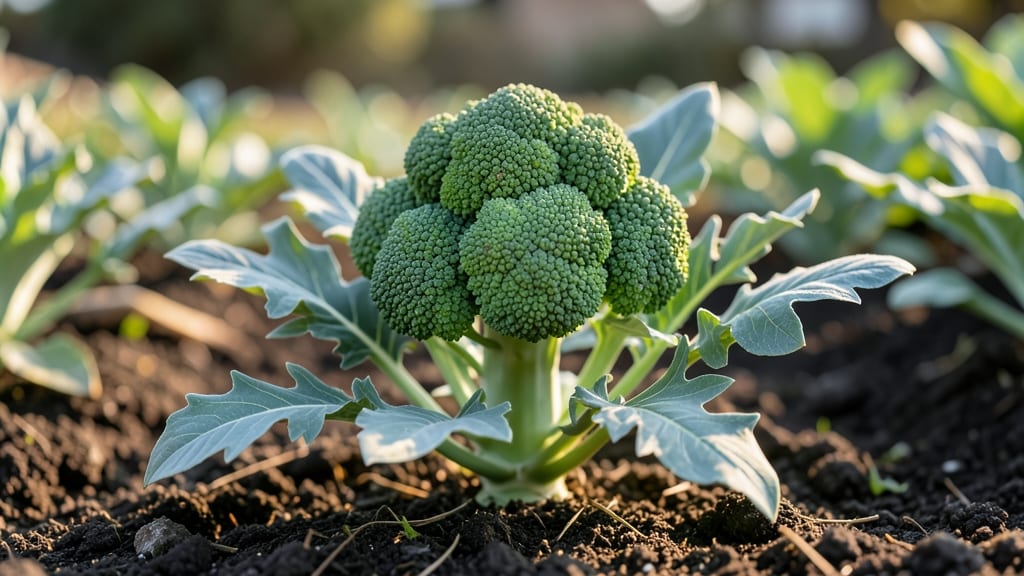
If you’ve ever dreamed of growing broccoli but lacked the space for sprawling plants, Broccoli 'De Cicco' is your game-changer. This dwarf variety produces tight, flavorful heads in just 50-60 days, thriving in cool February temperatures when most gardeners are still planning their spring plots.
Perfect for containers or small garden beds, 'De Cicco' reaches only 18-24 inches tall, making it ideal for urban balconies or patio gardens. Plant in well-draining soil with full sun to partial shade, and harvest heads before they flower for the best texture. Side shoots will continue producing after the main head is cut, maximizing your yield from limited space.
Urban gardeners and beginners will love this low-maintenance, cold-tolerant variety—it’s the perfect way to enjoy homegrown broccoli without the fuss. 🌱