
Plants
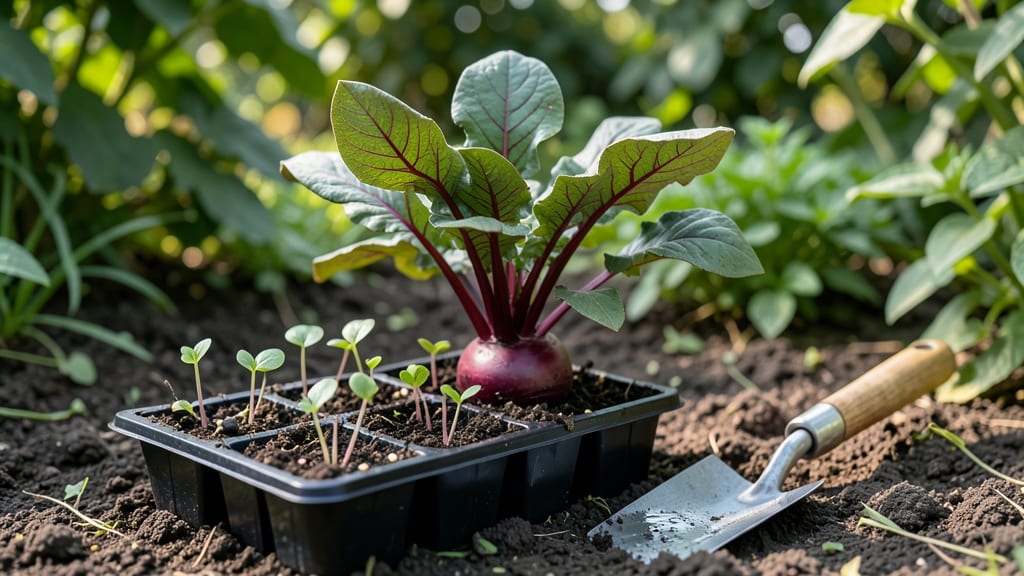
Planting fall beets in Zone 6 about 6 to 8 weeks before your first frost ensures tender roots and avoids the bitter taste of bolting or frost damage.
Timing is everything when growing fall beets in Zone 6—plant too early, and they bolt; too late, and frost ruins your harvest. Follow these science-backed weeks to ensure sweet, tender beets all season long.
In Zone 6, where the average first frost hits in mid-October, your planting window opens in early to mid-August. This gives your 🍠 beets just enough time to mature before the cold sets in, while avoiding the heat stress of late summer.
Below, I’ll break down the exact weeks to plant, how to prep your soil for maximum growth, and the simple care routine that guarantees a harvest of plump, flavorful beets all fall long.

Optimal fall beet planting weeks in Zone 6 for maximum yield
Timing your fall beet planting in Zone 6 is a balancing act—too early, and your beets bolt; too late, and frost ruins your harvest.
The key is planting 4-6 weeks before your first frost date (typically mid-October in Zone 6) to give roots time to mature while avoiding summer heat stress. I’ve planted fall beets for years and learned that August through early September offers the sweet spot for most gardeners in this zone.
Beets thrive in cooler temperatures, ideally between 50°F and 75°F. Planting too early in summer means battling heat, while late September plantings risk frost before harvest. My strategy? I start with early August plantings for a late fall harvest and follow with mid-September sowings to extend the season.
This staggered approach ensures a continuous supply of fresh beets.
Here’s the breakdown of your three optimal planting windows in Zone 6, including exact weeks, temperature thresholds, and harvest timelines to avoid common pitfalls:
| Planting Window | Exact Weeks (Zone 6) | Ideal Soil Temp | Air Temp Range | Days to Harvest | Harvest Timeline | Key Notes |
|---|---|---|---|---|---|---|
| Early Fall | Late July - Early August | 55°F - 70°F | 65°F - 80°F | 50-60 days | Late September - Early October | Best for large roots; avoid summer heat |
| Mid Fall | Mid-August - Early September | 50°F - 65°F | 60°F - 75°F | 45-55 days | Late September - Mid-November | Ideal for most gardeners; balanced growth |
| Late Fall | Mid-September - Early October | 45°F - 60°F | 50°F - 65°F | 40-50 days | October - Early December | Risk of frost; use cold-hardy varieties |
For early August plantings, aim for a harvest in late September to early October when daytime temperatures drop below 75°F. This window gives beets enough time to bulk up without bolting.
I’ve found that varieties like Detroit Dark Red and Golden Beet perform exceptionally well in this schedule, producing roots up to 3 inches in diameter by harvest time.
If you’re planting in mid-August to early September, your beets will mature in 45-55 days, ideal for a harvest through mid-November. This is my preferred window because it avoids the late-summer heat while still providing ample growing time.
Just be sure to thin seedlings to 3-4 inches apart to prevent competition and ensure larger roots.
For late fall plantings (mid-September to early October), focus on cold-hardy varieties like Winter Keeper or Bull’s Blood. These can tolerate light frosts and still produce sweet roots.
However, be prepared to harvest before hard frost (typically by early December in Zone 6) or use row covers to extend the season.
Pro tip: Always check your last frost date for your specific location—Zone 6 averages mid-October, but local microclimates can vary. I use the National Weather Service frost calendar for my area to fine-tune my planting schedule.
For example, if your frost date is October 15th, plant your last batch by September 15th to ensure a harvest before freezing temperatures.
One mistake I’ve seen gardeners make is planting too close to frost dates. Beets won’t survive hard freezes, so always leave a 4-6 week buffer between planting and your first frost.
If you’re unsure, err on the side of earlier plantings—you can always harvest greens first and leave the roots in the ground until they’re fully mature.
To maximize your fall beet yield, pair your planting schedule with proper soil prep. Beets prefer loamy, well-draining soil with a pH of 6.0-7.0. I recommend amending your soil with compost or aged manure before planting to ensure your beets have the nutrients they need to thrive.
Mulch with straw or leaves after planting to retain moisture and regulate soil temperature.
Finally, remember that succession planting is your best friend for
How to adjust planting dates for extended fall beet harvests
Extending your fall beet harvest in Zone 6 means playing the timing game right. By using succession planting and cold-hardy varieties, you can enjoy fresh beets well into early winter—sometimes even under light frost.
The key is strategic spacing and multiple plantings to match your region's frost-free window. This approach ensures you're always harvesting at peak tenderness, not dealing with woody roots or bolting.
For Zone 6 gardeners, the first frost date typically arrives around mid-October, but exact timing varies yearly. To maximize your harvest, aim for 3-4 staggered plantings spaced 2-3 weeks apart. This way, when one batch matures, another is ready to follow, creating a continuous supply.
Cold-hardy varieties like 'Detroit Dark Red' or 'Winter Keeper' are perfect for this strategy—they tolerate light frosts and maintain sweetness.
- 1
- 2
- 3
- 4
When planning your succession plantings, consider your soil temperatures and daylight hours. Beets thrive in cooler weather, so avoid planting when daytime temperatures exceed 75°F—this triggers bolting. For Zone 6, aim to finish planting by early September to ensure roots mature before hard frosts.
If you're unsure about your frost date, check your local USDA Plant Hardiness Zone Map or use a frost calendar from your cooperative extension service.
Another pro tip: Mulch heavily after your final planting to insulate roots and extend the harvest window. Use straw or leaves (4-6 inches thick) to protect beets from temperature swings. This simple step can add 2-3 weeks to your harvest season.
Just remember to remove mulch before harvesting to avoid damaging tender roots. For even longer storage, harvest beets when they're smaller than 2 inches in diameter—they'll keep better in the fridge or root cellar.
Don't forget to thin seedlings properly to prevent competition. Aim for 2-3 inches between plants for baby beets or 4-6 inches for full-sized roots. Proper spacing ensures even growth and makes harvesting easier.
If you're short on space, consider container growing—beets do well in deep pots (12+ inches) with well-draining soil. Just be prepared to harvest more frequently to prevent overcrowding.
With these staggered plantings and cold-hardy varieties, you'll enjoy a steady supply of beets from late September through December—sometimes even later if winters are mild. The secret? Paying attention to your local microclimate and adjusting dates based on real-time weather patterns. Happy planting! 🥕