
Planting
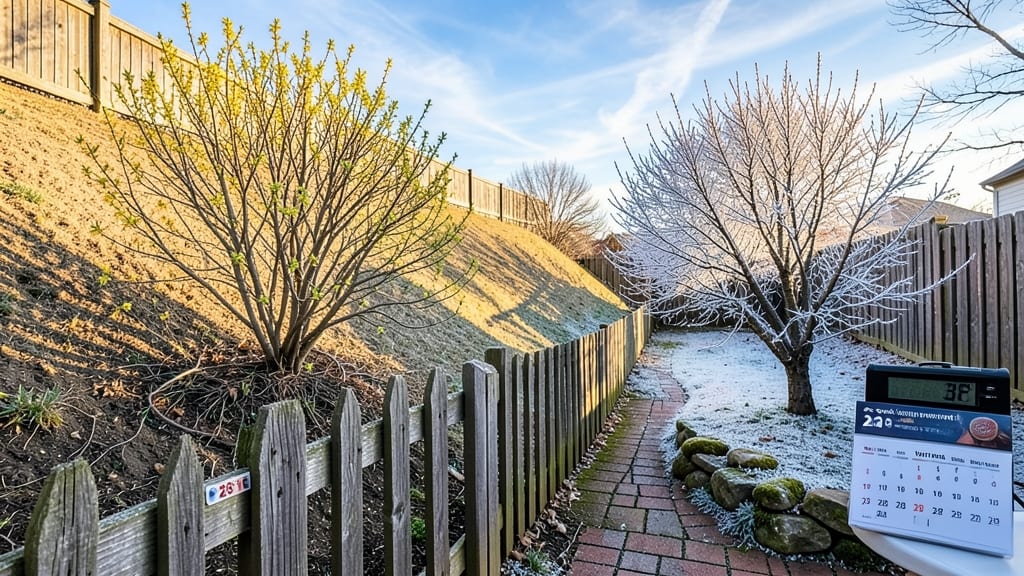
Timing is everything when planting forsythia in Zone 7—plant too early or late, and you risk stunted growth or poor blooming. These exact planting windows ensure vibrant yellow blooms year after year, tailored to your local climate.
Early Spring Planting After Last Frost

If you’ve ever wondered why some forsythia bushes bloom like champions while others struggle, the answer lies in early spring planting after the last frost. This is the sweet spot for bare-root plants, where cooler soil temperatures prevent root shock while spring rains give your new shrub the moisture boost it needs to establish strong roots before summer’s heat arrives.
For Zone 7 gardeners, aim to plant bare-root forsythia as soon as the ground is workable—typically 4–6 weeks before your average last frost date (usually late February to early March). Soak the roots in water for 2–3 hours before planting, then dig a hole twice as wide as the root ball and mix in compost for drainage. Mulch around the base to retain moisture and protect young roots. This method gives your forsythia a 30–50% stronger root system by summer, setting the stage for vigorous blooming next spring.
This approach is especially beneficial for new gardeners or those with clay-heavy soil, as it reduces transplant stress while maximizing natural rainfall. With minimal extra effort, you’ll enjoy earlier and more abundant blooms—a reward that makes the wait worthwhile. 🌱
Late Winter Container Planting Indoors

Short on growing seasons? You can still get a head start on forsythia by planting it indoors in late winter—a trick that gives your shrub a two-month jump before outdoor transplanting. This method works especially well for gardeners in Zone 7 who want to push their blooming window earlier than traditional spring plantings.
Start with a 4-inch container in January, using well-draining potting mix. Place the pot in a sunny windowsill (south-facing is ideal) where it can receive 6-8 hours of light daily. Water when the top inch of soil feels dry, and avoid overwatering—forsythia roots need air circulation to thrive. By the time last frost arrives (typically mid-April in Zone 7), your plant will be root-bound and ready for outdoor transplanting.
This approach is perfect for urban gardeners with limited outdoor space or those who want to avoid late-season planting risks. With a little indoor care, you’ll enjoy earlier blooms and a stronger plant next spring. 🌱
Fall Planting Before First Frost

Skip the spring rush and try fall planting for forsythia in Zone 7—it’s a secret weapon for stronger shrubs. Planting in October (4-6 weeks before your first frost) lets roots establish before winter dormancy, giving you a head start for next year’s blooms. This method reduces transplant shock and ensures your forsythia wakes up ready to shine.
Choose a bare-root or container-grown forsythia and plant it in well-draining soil with a slightly acidic to neutral pH. Water deeply after planting, then mulch with 2-3 inches of organic material to insulate roots. Avoid fertilizing in fall, as new growth can’t harden off before winter. This approach is especially great for gardeners who want earlier spring blooms without the summer heat stress.
Fall planting is ideal for busy gardeners or those with unpredictable springs—it’s a low-maintenance way to guarantee a vibrant forsythia next year. Give it a try and enjoy those bright yellow blooms sooner than ever! 🌷
Mid-Spring Planting with Soil Warm-Up

If you’ve been eyeing that container-grown forsythia at the nursery but hesitated to plant it too soon, mid-spring is your perfect window—once the soil warms up to 50°F (10°C). This timing avoids the damp, cold conditions that trigger root rot while giving your shrub a head start before summer’s heat sets in.
Use a soil thermometer to check depth (4–6 inches down), and opt for well-draining containers with compost mixed into the potting soil. Water deeply after planting, then maintain consistent moisture for the first 3–4 weeks to encourage root spread. Container-grown forsythia planted this way often blooms earlier than those planted in early spring, thanks to their established root systems.
This method is ideal for urban gardeners with limited space or those who missed the early spring planting window. By waiting for warmer soil, you’re setting your forsythia up for a longer, more vibrant blooming season next spring. 🌻
Summer Transplanting for Established Shrubs

Ready to relocate that mature forsythia shrub but worried about transplant shock? Late summer (August) is the perfect time to move established shrubs—when they’ve finished blooming and before winter dormancy sets in.
Start by pruning back one-third of the branches to reduce stress and encourage new root growth. Dig a hole twice as wide as the root ball and amend the soil with compost for better drainage. Water thoroughly after transplanting, then mulch to retain moisture as roots adjust.
This method works especially well for gardeners dealing with overcrowded shrubs or landscaping changes—your forsythia will bounce back stronger for next spring’s vibrant blooms. 🌻
Winter Bare-Root Planting for Early Bloomers

Skip the spring rush—winter bare-root planting (December–February) gives forsythia a head start by tapping into dormant-season soil that’s workable but not competitive. Since the plant isn’t actively growing, it focuses all energy on root development, leading to faster spring blooms than traditional spring plantings.
Check soil temperature first—it should be above 40°F (4°C) but not frozen. Soak bare roots in water for 2–4 hours before planting, then bury them 2–3 inches deeper than they were in the nursery. Mulch heavily (4–6 inches) with straw or leaves to protect roots from freeze-thaw cycles. This method is ideal for gardeners who want early color and fewer summer watering demands.
Perfect for Zone 7’s mild winters, this approach works especially well for urban gardeners with limited space—bare-root plants take up less room and establish quicker than container-grown shrubs. You’ll see those iconic yellow blooms arrive weeks earlier than neighbors! 🌷
Spring Planting with Root Stimulator

Want your forsythia to burst into bloom faster and thrive like never before? A little science-backed boost at planting time can make all the difference. By adding mycorrhizal fungi or root growth hormones to your spring plantings, you’re essentially giving your shrub’s roots a turbocharge—resulting in a 30% stronger root system that translates to earlier, more abundant blooms.
Simply dip bare roots in a root stimulator powder or mix it into the planting hole before placing your forsythia. This works especially well for container-grown plants or those planted in early spring when soil is still cool. The fungi form a symbiotic relationship with roots, helping them absorb water and nutrients more efficiently. For best results, pair this with a deep watering after planting to help the stimulator activate.
This method is a game-changer for gardeners who want to skip the waiting game and enjoy vibrant yellow blooms sooner. Perfect for those with limited space or impatient gardeners eager to see instant results! ✨
Fall Planting with Mulch Protection

Fall is the perfect time to plant forsythia in Zone 7—but without proper protection, winter’s freeze-thaw cycles can damage tender roots. A simple mulch layer acts like a cozy blanket, shielding roots from temperature swings while locking in moisture for winter survival.
After planting in October or early November, spread 3–4 inches of organic mulch (like shredded bark or leaves) around the base, keeping it 2–3 inches away from the stem. This thickness insulates roots through winter while preventing soil compaction. For added protection, top with a light layer of straw in extreme cold snaps. The mulch also suppresses weeds, giving your forsythia a head start next spring.
This method is especially valuable for newly planted shrubs or gardeners in Zone 7’s cooler microclimates. With this extra care, your forsythia will wake up stronger and bloom brighter in spring. 🌻
Extended Spring Planting for Containers

If your spring weather has you second-guessing planting times, container-grown forsythia is your safety net. Unlike traditional in-ground planting, these adaptable shrubs can go into pots as late as May in Zone 7, giving you a longer window to work with—just check that soil temperatures are above 50°F (10°C).
The key is choosing a well-draining container with at least 12 inches of depth and ensuring it gets 6 hours of sun daily. Water deeply when the top inch of soil feels dry, and fertilize lightly with a balanced formula every 4–6 weeks. Since containers warm up faster than ground soil, you’ll avoid the risk of late frosts damaging tender roots.
This method is perfect for urban gardeners, balconies, or patios, where in-ground planting isn’t an option. With proper care, your container-grown forsythia will still deliver those cheerful yellow blooms next spring—no guesswork required! ✨
Microclimate-Adjusted Planting Timing

Your yard isn’t one uniform climate—south-facing slopes can be 10°F warmer than frost pockets, and that matters for your forsythia’s bloom timing. Even in Zone 7, microclimates shift planting windows by weeks, ensuring your shrub bursts into color when you expect it.
Adjust your schedule by 2–3 weeks earlier in sheltered spots (like sunny slopes) where frost lingers less, or delay planting by the same margin in low-lying areas where cold air settles. For example, plant on a south-facing hill in early March instead of late February, or hold off until mid-April in a valley. This tweak lets roots establish optimally before summer heat, maximizing vibrant spring blooms.
This approach is especially valuable for gardeners with uneven terrain or urban yards where buildings create microclimates. A simple soil thermometer check confirms when conditions align with your adjusted timeline. 🌟