
Plants
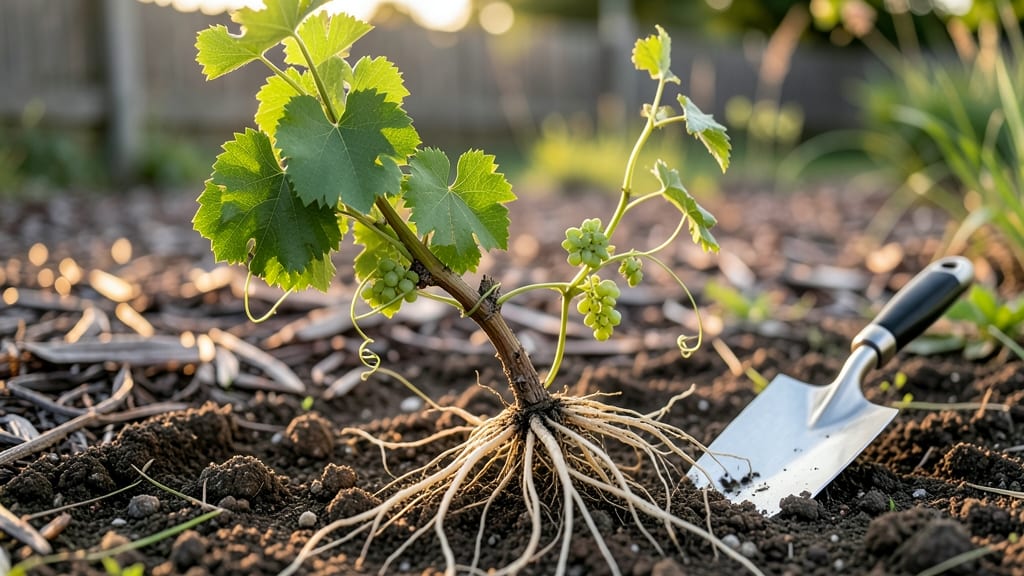
Planting grapes in Zone 9 during late winter—between December and February—gives your vines the best shot at thriving in the region’s warm climate.
You might think Zone 9’s lack of frost means you can plant anytime, but timing matters more than you’d expect. Too early, and the heat will stress young roots before they’re ready.
Too late, and summer arrives before your vines establish properly. The 3-month window between December and February is your sweet spot for success.
This guide breaks down the ideal planting schedule for 🍇 grapes in Zone 9, including how to adjust for microclimates, whether you’re planting in-ground or containers, and which varieties handle the heat best. No more guesswork—just a reliable plan for a bountiful harvest.
Discover how to prep your soil, choose the right rootstock, and avoid common mistakes that leave Zone 9 gardeners scratching their heads. By the end, you’ll know exactly when to plant for maximum growth and flavor.

Optimal planting windows for grapes in Zone 9 by variety type
Zone 9's mild winters and long summers make grape growing possible year-round—but timing matters more than you might think. Wine grapes, table grapes, and muscadines each have unique needs, and planting outside their ideal window can lead to heat stress or poor fruit set.
The key is planting when soil temps are cool but not freezing, allowing roots to establish before summer heat arrives.
Most Zone 9 grape varieties thrive when planted during the dormant season (December through February), when daytime temps stay below 70°F. This gives vines time to root deeply before the intense summer sun.
However, some heat-tolerant varieties like Black Monukka or Crimson Seedless can handle early spring planting with extra care.
Here’s the breakdown of optimal planting windows by grape type, including dormancy requirements and heat tolerance considerations:
| Grape Type | Ideal Planting Window | Dormancy Needs | Heat Tolerance | Key Considerations |
|---|---|---|---|---|
| Wine Grapes (e.g., Cabernet Sauvignon, Syrah) | Late December–February | Moderate (300–600 chill hours) | Moderate (needs afternoon shade) | Plant bare-root; mulch heavily. Avoid early spring—heat stress kills young roots. |
| Table Grapes (e.g., Thompson Seedless, Red Globe) | Early December–January | Low (200–400 chill hours) | High (thrives in heat) | Best for container growing; prune aggressively to manage vigor. |
| Muscadines (e.g., Scuppernong, Black Sampson) | Late January–February | Very Low (<100 chill hours) | Very High (native to hot climates) | Plant in well-draining soil; avoid wet roots. Thrives with minimal care. |
For wine grapes, the December–February window is critical because these varieties often need 300–600 chill hours to break dormancy.
Planting too early (e.g., November) risks heat stress, while waiting until March may delay root establishment before summer’s peak. Cabernet Sauvignon and Syrah benefit from a mulch layer 4–6 inches deep to insulate roots during warm spells.
If you’re growing table grapes like Thompson Seedless, aim for early December to take advantage of their low chill requirements (200–400 hours). These varieties are more forgiving with timing but still need well-draining soil to prevent root rot in Zone 9’s occasional winter rains.
Container planting is ideal for urban gardens, as it allows you to move vines to cooler spots during heatwaves.
Muscadines are the most heat-tolerant option, thriving with as little as 100 chill hours. Plant them in late January–February to align with their natural dormancy cycle. These native vines often produce fruit without much intervention, making them perfect for low-maintenance gardens. However, they need acidic soil (pH 5.0–6.0) to prevent nutrient deficiencies.
One tradeoff of late-season planting (March) is slower root establishment, which can stress vines during summer. Conversely, early planting (November) may expose young roots to unpredictable temperature swings.
For example, a November-planted Cabernet Sauvignon might struggle if a 75°F spell occurs before roots are established, while a February-planted muscadine will handle summer heat with ease.
Pro tip: Use a soil thermometer to confirm temps are below 60°F at planting depth (6–12 inches). If temps rise above this, delay planting by 2–4 weeks to avoid root shock. In coastal Zone 9 (e.g., Southern California), where winters are milder, January–February is ideal for all varieties.
Remember, container-grown grapes can be planted slightly later than in-ground vines because pots warm up faster. Just ensure your container has drainage holes and use a lightweight potting mix to prevent compaction.
With the right timing, your Zone 9 grapevines will reward you with bountiful harvests for years to come! 🍇
How to adjust planting timing based on Zone 9 microclimates
Zone 9's diverse microclimates—from coastal breezes to inland heat islands—can shift your grape planting window by 4-6 weeks. Coastal areas like San Diego or Santa Barbara stay milder year-round, while inland valleys like Coachella or Phoenix experience extreme summer heat.
Even a 1,000-foot elevation gain can drop temperatures by 3-5°F, delaying planting by 2-3 weeks.
Urban heat islands in cities like Los Angeles or San Diego can make soil temperatures 10°F warmer than rural areas, demanding earlier planting to avoid heat stress on young vines.
Always verify your specific microclimate by checking local frost-free date calculators or using a soil temperature probe (ideal planting range: 50-60°F).
🌱
- 📅 Plant: Dec 15 - Jan 31
- 🌡️ Soil Temp: 55-60°F
- ✅ Ideal for: Thompson Seedless, Flame Seedless
- 📅 Plant: Jan 15 - Feb 15
- 🌡️ Soil Temp: 50-55°F
- ✅ Ideal for: Cabernet Sauvignon, Zinfandel
- 📅 Plant: Nov 15 - Dec 15
- 💧 Water: Daily until roots establish
- ⚠️ Risk: Heat stress if planted late
- 📅 Plant: Feb 1 - Mar 15
- 🌡️ Soil Temp: 45-50°F
- ✅ Ideal for: Muscadines, Concord
For coastal Zone 9 areas, aim to plant bare-root vines between mid-December and late January when ocean breezes moderate soil temperatures. Inland growers should delay until mid-January to mid-February to avoid early-season heatwaves that can scorch tender roots.
If you're in a high-elevation microclimate (e.g., Mount Laguna), push planting to February or early March when cooler nights stabilize soil temps.
Urban gardeners face unique challenges: concrete and asphalt absorb heat, raising soil temperatures by 5-10°F compared to rural areas. To counteract this, plant 1-2 weeks earlier and use shade cloth during the first 4-6 weeks to protect young vines.
Always test soil moisture—urban soils dry faster due to heat reflection.
Use a frost-free date calculator (like Old Farmer's Almanac) to adjust your timeline. Even in Zone 9, unexpected cold snaps (below 28°F) can damage young vines. For container-grown grapes, plant 2-3 weeks earlier since pots heat up faster and dry out quicker than in-ground plantings.
🌿