
Planting
Zone 8 spans the southern U.S., including Texas, Florida, Georgia, Alabama, Mississippi, Louisiana, Arkansas, Tennessee, North Carolina, South Carolina, and coastal California, where winters average between 10°F and 20°F (-12°C to -6°C).
This zone's mild winters and long growing seasons—typically 240 to 300 frost-free days—make it ideal for warm-season crops and subtropical plants. 🌿 Coastal areas like Florida and California often experience microclimates with even milder winters, while inland regions may face occasional dips below 10°F.
Understanding these variations helps gardeners choose plants that thrive in their specific location within Zone 8.
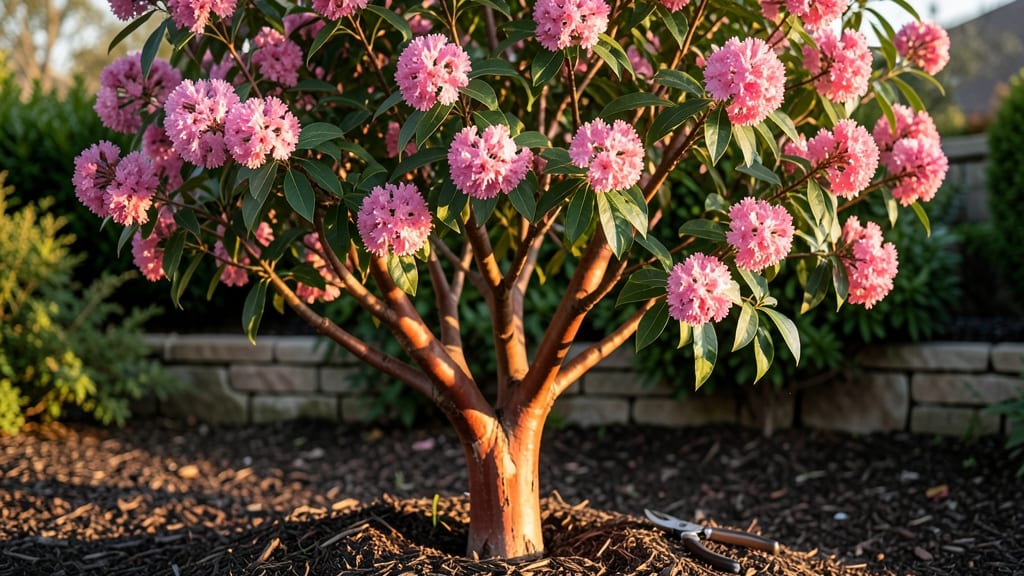
For example, citrus trees flourish in Florida's Zone 8a (warmer subzone), while crape myrtles and oleanders adapt well to the cooler Zone 8b areas. The key is matching plant hardiness zones to your exact minimum temperature range—something I always double-check before planting new varieties.
💡 In This Article
- Understanding USDA Zone 8 Climate Characteristics
- Best Plants for USDA Zone 8 Gardens
Understanding USDA Zone 8 climate characteristics
Zone 8's defining feature is its mild winter temperatures, which average between 10°F and 20°F (-12°C to -6°C) during the coldest months. This range creates a unique growing environment where frost-free periods typically stretch from 240 to 300 days annually, allowing for extended planting seasons.
For comparison, Zone 7 has only about 180-220 frost-free days, while Zone 9 can reach 300+ days. This extended growing window is why Zone 8 supports both subtropical and temperate plants that wouldn't survive harsher winters.
The climate variations within Zone 8 are fascinating. Coastal areas like Florida and California often experience warmer microclimates due to ocean currents that moderate temperatures, while inland regions may face occasional cold snaps below 10°F.
Urban areas can also create "heat islands" where pavement and buildings trap warmth, raising local temperatures by 5-10°F compared to rural surroundings. These microclimates explain why a plant thriving in Zone 8a (14-18°F) might struggle in Zone 8b (10-14°F) just a few miles away.
What makes Zone 8 particularly interesting is its ability to support both warm-season and cool-season crops throughout the year. The long growing season means you can plant tomatoes in early spring, harvest them in summer, and still have time for a fall crop of broccoli or kale.
This versatility is why gardeners in Zone 8 often achieve two to three harvests of the same vegetable in a single season—a luxury gardeners in colder zones can only dream of. The key is understanding your specific subzone and planning plantings accordingly.
One often-overlooked factor in Zone 8 is humidity levels, which vary dramatically across the region. Florida's subtropical climate brings high humidity and frequent rainfall, while Texas and California experience more arid conditions.
These differences affect plant selection—drought-tolerant succulents thrive in Texas, while moisture-loving ferns and azaleas flourish in Florida's wetter microclimates. The humidity also influences disease pressure, with fungal issues being more common in humid areas.
For gardeners, this means paying close attention to local weather patterns rather than relying solely on the broad Zone 8 classification.
A simple way to refine your approach is to track your area's last frost date in spring and first frost date in fall—these dates can vary by 2-4 weeks even within the same city.
Using a frost calendar from your local cooperative extension service provides the most accurate planting timeline for your specific location within Zone 8.
Understanding these climate nuances helps explain why some plants labeled "Zone 8 hardy" may still struggle in your garden. For example, citrus trees need the protection of Zone 8a's warmer winters, while crape myrtles can handle Zone 8b's cooler extremes.
The 10°F difference between these subzones makes a significant impact on plant survival—something I always verify before investing in expensive nursery stock. 🌡️