
Planting
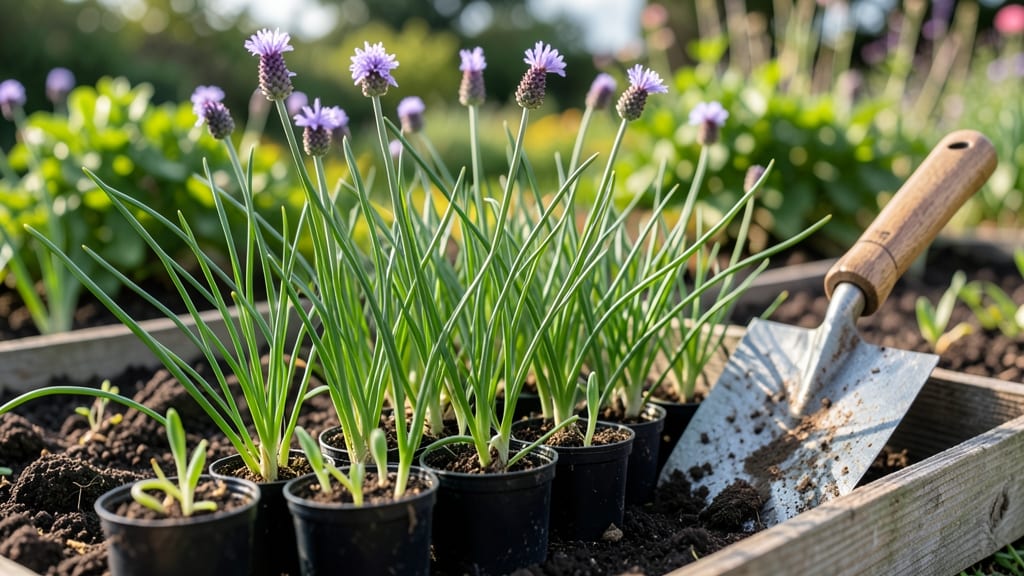
A Zone 4A planting schedule aligns with last frost dates: cool-season crops like spinach and peas thrive in early spring (March–April) or fall (August–September), while warm-season plants like tomatoes and peppers must wait until mid-to-late May when soil reaches 60°F. Always factor in 14–21 days of frost-free growth before harvest.
Understanding your local frost dates is the foundation of a successful Zone 4A planting schedule.
The USDA Zone 4A designation spans from northern New England to the Midwest, where average annual minimum temperatures dip to -30°F to -25°F. 🌱 However, microclimates—like urban areas that retain heat or south-facing slopes—can create localized variations of 1–3 weeks in your planting timeline.
For example, cities like Minneapolis might see their last frost around May 10, while rural areas could experience it two weeks later.
Beyond frost dates, soil temperature plays a critical role.
Warm-season crops like beans and squash won’t germinate until the soil reaches 60°F—a threshold that typically aligns with late May in most of Zone 4A. Meanwhile, cold-hardy greens like kale or Swiss chard can tolerate light frosts and may even improve in flavor after a brief cold snap.
This dual timing system explains why some gardeners in Zone 4A start cool-season crops in early spring while reserving warm-season spots for later in the season.
💡 In This Article
- How Zone 4A Frost Dates Dictate Planting Windows
- Best Zone 4A Planting Calendar by Crop Type
How zone 4A frost dates dictate planting windows
Zone 4A's frost dates aren't just random calendar markers—they're calculated based on 30-year climate averages from the USDA, with last spring frosts typically occurring between April 20 and May 15 and first fall frosts between September 15 and October 10.
The science behind this involves tracking 28°F minimum temperatures, which is the threshold where most tender plants will suffer damage.
However, what many gardeners overlook is how soil temperature lags behind air temperature by 1–2 weeks—meaning your soil might still be too cold for warm-season crops even if the air feels spring-like.
Here's where microclimates create real variations: a south-facing slope can warm up 5–10°F faster than a north-facing garden bed, potentially shifting your planting window by 2–3 weeks.
Urban areas with concrete and buildings also experience urban heat islands, where temperatures can be 5–10°F warmer than rural areas just a few miles away. For example, in Chicago's Zone 4A, downtown gardeners might plant tomatoes 10 days earlier than those in suburban areas.
The key is monitoring your specific location's frost history—local cooperative extension offices often provide 10-year frost records that reveal these patterns.
What most people don't realize is that seed germination requires specific soil temperatures too. Cool-season crops like lettuce and radishes germinate best at 45–65°F, while warm-season crops like peppers need 70–90°F.
This is why you'll often see recommendations to start seeds indoors 4–6 weeks before your last frost date—your indoor environment can maintain those ideal germination temps while outdoor conditions are still too cold.
The 14–21 day frost-free growth period mentioned in planting guides accounts for both the time needed for plants to mature AND the buffer for unexpected late frosts that can occur even after the "average" last frost date.
Consider this regional variation within Zone 4A: Northern Michigan (Zone 4A's northern edge) might have its last frost around May 20, while Northern Indiana (southern edge) could see theirs by May 5.
This 2-week difference means gardeners in Indiana can plant warm-season crops 2 weeks earlier than those in Michigan. The USDA zone map provides broad guidance, but your actual planting window depends on these local microclimates and historical frost data from your specific area.
For gardeners dealing with unpredictable frosts, succession planting becomes essential. Planting cool-season crops like spinach in late summer (August) allows them to mature before the first fall frost, while warm-season crops can be planted in early June with row covers to protect against late frosts.
The 14–21 day frost-free rule ensures your plants have enough time to reach maturity before the first expected frost—this is particularly critical for biennial crops like carrots and onions that need to establish strong roots before winter.
One advanced technique many Zone 4A gardeners use is planting by the moon, though this is more about timing water availability than frost dates.
The root crops phase (when the moon is in root signs) aligns with planting onions and carrots, while the fruit crops phase works for tomatoes and peppers. When combined with frost date tracking, this can help maximize your garden's productivity by aligning with natural growth cycles.
The most important takeaway? Your Zone 4A planting schedule should be built on local frost history, soil temperature data, and crop-specific requirements—not just the general zone guidelines.