
Flowers
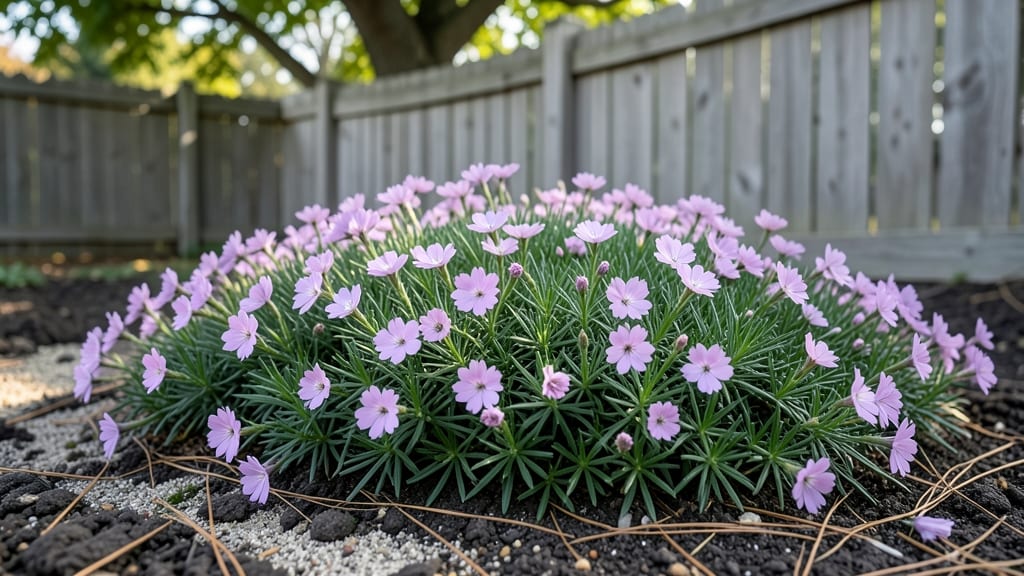
Creeping phlox in Zone 8b thrives when you select cold-resistant varieties and plant them at the right time, ensuring vibrant blooms from spring through summer with minimal winter damage. The key is choosing hardy cultivars like 'Sherwood Purple' or 'Emerald Blue' and establishing roots in early fall or late winter.
Zone 8b's mild winters and hot summers create perfect conditions for creeping phlox, but the right cultivars make all the difference. 🌸 The varieties I recommend—like 'Sherwood Purple'—boast deep roots that resist winter dieback, while 'Emerald Blue' delivers stunning color even in partial shade.
Planting in early fall gives roots time to anchor before winter, while late winter planting avoids spring heat stress. These timing tricks help your phlox outcompete weeds and establish strong root systems for years of vibrant blooms.
What sets Zone 8b apart is its transitional climate, where summer heat can stress plants if they're not properly established. I always mulch heavily in late fall with 3-4 inches of shredded bark to insulate roots, and divide clumps every 3-4 years to prevent overcrowding.
This keeps your phlox looking fresh and prevents the center from dying out—a common problem in hotter zones.
💡 In This Article
- Best Cold-Hardy Creeping Phlox Cultivars for Zone 8b
- Optimal Planting and Maintenance Schedule for Year-Round Performance
Best cold-hardy creeping phlox cultivars for Zone 8b
Zone 8b's 20-25°F winter lows demand phlox varieties with deep root systems and natural cold tolerance. 'Sherwood Purple' stands out with its 12-18 inch height and 3-inch wide blooms that thrive even when temperatures dip below 25°F.
Its compact growth habit prevents winter burn by maintaining a dense foliage mat that insulates roots. The deep purple flowers also attract pollinators early in the season, often blooming from March through May before summer heat arrives.
For shade tolerance, 'Emerald Blue' is my top recommendation—it handles 3-6 hours of morning sun while delivering 1-inch wide sky-blue flowers that bloom 4-6 weeks longer than most varieties. Its USDA Zone 3-8 rating means it handles Zone 8b's occasional 15°F dips without browning.
The foliage remains lush and green even in partial shade, making it ideal for woodland gardens or understory plantings where other phlox varieties struggle.
Color variety matters too—'David's Blue' offers bright blue blooms that contrast beautifully with 'Scarlet Flame', which produces coral-red flowers. Both varieties share the same 6-12 inch height range and 3-4 week bloom duration, but their color intensity makes them perfect for creating visual impact in borders.
The key difference is 'Scarlet Flame's' slightly higher heat tolerance, making it better for south-facing exposures where other blue varieties might fade.
What most gardeners don't realize is how root depth affects winter survival. These cold-hardy varieties develop roots 8-12 inches deep by their second year, which is crucial for Zone 8b's dry summerswell-draining soil—sandy loam with 5.5-6.5 pH works best to prevent root rot during summer downpours.
Consider these three key factors when selecting:
- Bloom duration: 'Emerald Blue' (6+ weeks) vs 'Sherwood Purple' (4-5 weeks)
- Heat tolerance: 'Scarlet Flame' handles 95°F+ better than blue varieties
- Growth habit: 'David's Blue' spreads 12-18 inches wide vs 'Sherwood Purple's' 12-inch spread
The science behind their cold hardiness lies in their antifreeze proteins—natural compounds that prevent ice crystal formation in cells during winter. This biological adaptation is why these varieties maintain vibrant color even after 20°F nights, while less-hardy phlox varieties develop brown edges. 🌸