
Plants
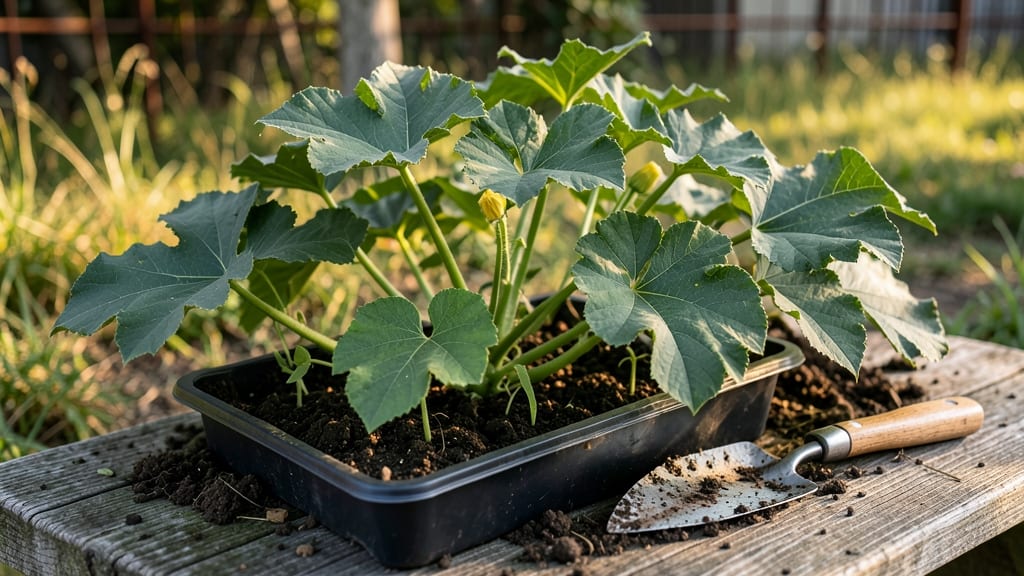
Plant pumpkins in Zone 6 after your last spring frost, when soil reaches at least 60°F—typically mid-April to early June for the most reliable harvests.
Zone 6 gardeners know timing is everything—plant pumpkins too early, and frost will ruin your vines; too late, and your harvest shrinks. But with the right schedule, you’ll grow jack-o’-lanterns big enough to carve and pies this fall.
Why does this matter? Pumpkins 🎃 need 90-120 frost-free days to mature, and Zone 6’s short growing season demands precision. Skip the guesswork by aligning your planting with soil warmth and local frost dates.
Below, I break down the exact dates for direct sowing vs. transplants, how to prep your soil for faster germination, and the 3 spacing mistakes that kill pumpkin yields—so you can avoid them.

Optimal pumpkin planting dates in Zone 6: frost-free timeline
Getting your pumpkin seeds in the ground at the right time in Zone 6 means the difference between a bountiful harvest and wasted effort.
Since Zone 6 has 165 frost-free days on average, you’ll need to time your planting to ensure your 90-110 day varieties mature before the first frost hits in mid-October. The key? Planting after the last frost and when soil temperatures hit 60°F+.
For most of Zone 6, this means starting your pumpkin seeds outdoors between mid-April and early June, depending on your exact location.
In cooler microclimates like the Great Lakes region, aim for late April to early May, while warmer areas like the Piedmont can start as early as mid-April. Transplants, if you’re using them, should go in 2-3 weeks after your last frost date.
| Planting Method | Optimal Planting Window | Soil Temp Threshold | Days to Maturity | Notes |
|---|---|---|---|---|
| Direct Sowing | Mid-April to early June | 60°F+ | 90-110 days | Best for most varieties; plant in hills. |
| Transplants | Late April to early May | 55°F+ | 90-110 days | Hardier but slower to establish. |
| Late Start (Extending Season) | Early June | 60°F+ | 75-90 days (fast varieties only) | Use row covers to protect. |
| Piedmont (Warmer) | Mid-April to late May | 60°F+ | 90-110 days | Longer growing season; plant early. |
| Great Lakes (Cooler) | Late April to early May | 60°F+ | 90-110 days | Wait for soil to warm; use black plastic mulch. |
Your last frost date is the starting point for calculating when to plant. In most of Zone 6, this falls around mid-April, but it can vary by 1-2 weeks depending on your exact location.
Check your local Almanac’s frost calendar or use a soil thermometer to confirm your soil is 60°F or warmer before planting. Cold soil slows germination and can lead to damping off disease.
For direct sowing, which is the most common method for pumpkins, aim to plant your seeds 2-3 weeks after your last frost date. This gives the soil time to warm up and reduces the risk of frost damage.
If you’re using transplants, you can start them indoors 4-6 weeks before your last frost and transplant them once the soil is warm. Just be sure to harden them off first to avoid shock.
If you’re growing shorter-season varieties like ‘Sugar Pie’ (80 days) or ‘Jack Be Little’ (75 days), you can push your planting window later into early June. These varieties are perfect for late starts or areas with shorter growing seasons.
Just be prepared to use row covers or black plastic mulch to extend the season and protect your plants from early fall frosts.
One of the biggest mistakes I see in Zone 6 is planting pumpkins too early in cold soil. This often leads to poor germination or damping off, a fungal disease that kills young seedlings. To avoid this, wait until your soil is consistently 60°F or warmer
5 Critical factors that change your pumpkin planting schedule
Pumpkin varieties like 'Sugar Pie' (75 days) and 'Howden' (110 days) demand completely different planting windows in Zone 6. A 75-day variety can handle a late start, while a 110-day giant needs an early jumpstart to avoid frost.
Your soil temperature also plays a starring role—pumpkin seeds need 60°F+ soil to germinate, and waiting for that warmth can mean the difference between a thriving patch and a failed crop.
Moisture needs shift dramatically as vines mature. Seedlings crave consistent dampness, but mature plants need deep watering every 3-5 days. Skimp on water, and your pumpkins develop blossom-end rot; overwater, and you invite powdery mildew to crash your party.
Then there’s the disease risk—Zone 6’s humid summers create the perfect storm for fungal infections if you don’t space plants properly or provide airflow.
Finally, don’t overlook row covers as your secret weapon. They let you plant 2-3 weeks earlier by trapping heat and warding off pests.
For me, a simple floating row cover over seedlings in May extended my harvest by 10 days last year—enough to squeeze in a second planting of 'Jack Be Little' for Halloween.
- 📅 Variety Maturity: 'Sugar Pie' (75 days) vs. 'Howden' (110 days) = 3-week difference in planting.
- 🌡️ Soil Temperature: Wait for 60°F+ soil—cold soil = no germination.
- 💧 Moisture Needs: Seedlings = damp soil; mature vines = deep watering every 3-5 days.
- 🍄 Disease Risk: Powdery mildew thrives in humid Zone 6 summers—space plants 3-5 feet apart.
- 🛡️ Row Covers: Extend season by 2-3 weeks—plant earlier or later safely.
Let’s talk soil warmth first. I’ve learned the hard way that planting 'Cinderella' pumpkins in April—even after the last frost—can leave me with rotting seeds if the soil is still chilly.
Use a soil thermometer ($10 at garden centers) to confirm 60°F+. Pro tip: Black plastic mulch warms soil 5-10°F faster than bare earth, letting you plant 10 days earlier.
For disease prevention, I swear by neem oil sprays every 2 weeks once vines hit 2 feet. Last summer, my 'Long Island Cheese' patch avoided powdery mildew entirely because I pruned lower leaves for airflow.
And if you’re growing heirloom varieties, prioritize resistant types like 'Waltham Butternut'—they handle Zone 6’s humidity better than delicate 'Fairytale' pumpkins.
Don’t forget: Row covers aren’t just for early starts. I’ve used them to protect late-season pumpkins from squash vine borers in September. Just remove covers when flowers appear to allow bee pollination. With these tweaks, you’ll turn Zone 6’s short growing season into a pumpkin-growing powerhouse.