
Plants
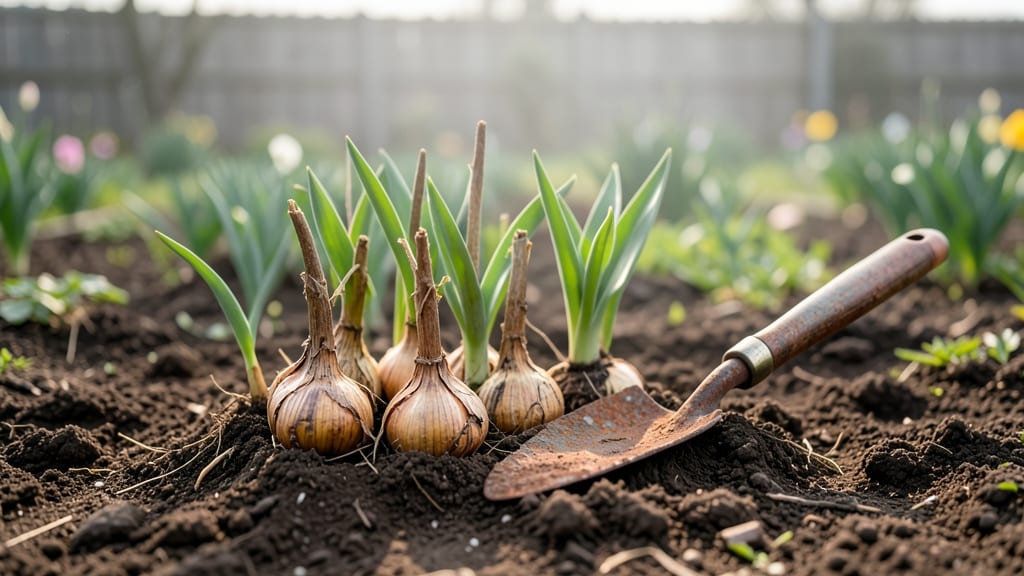
Planting tulips in Zone 9 between November and January is the key to avoiding heat stress and ensuring vibrant spring blooms 🌷 — but timing matters more than you might think.
Zone 9 gardeners face a unique challenge: planting too early risks heat stress, while waiting too long can leave bulbs vulnerable to winter rains. The sweet spot is a narrow window where soil temps drop just enough to trigger root growth without cooking the bulbs.
This guide breaks down the best months, soil cues, and microclimate tricks to get your tulips off to the right start — so you can enjoy those showstopping blooms without the guesswork.
You’ll learn how to read the weather, prep your soil, and care for bulbs through the winter so they burst into color come spring, even in a warm climate.

Optimal planting timeline for Zone 9 tulips to avoid heat stress
Planting tulips in Zone 9 requires precision—unlike cooler climates, the 60-70°F soil temperatures in fall can trigger premature sprouting, while winter rains may rot unprotected bulbs. The key is planting when soil temps drop below 65°F but before prolonged heavy rains arrive.
This window typically spans November through January, with December being the sweet spot for most of Zone 9.
Tulips need a 12-16 week chilling period (40-50°F) to bloom properly, but Zone 9’s mild winters mean we must trick them into dormancy with proper timing and mulching. Plant too early, and bulbs may sprout in warm fall soil only to wilt when temps drop.
Wait too long, and winter rains will soften the soil, making planting difficult and increasing rot risk.
Here’s your month-by-month breakdown for planting tulips in Zone 9, including soil temperature thresholds and microclimate adjustments:
| Month | Ideal Soil Temp (°F) | Planting Window | Key Considerations | Microclimate Adjustments |
|---|---|---|---|---|
| October | 65-70°F | Early October (cooler microclimates) | Risk of premature sprouting; reserve for high-altitude Zone 9 (e.g., 3,000+ ft) | Wait if soil >68°F; test with a soil thermometer |
| November | 60-65°F | Primary window (most of Zone 9) | Soil cools enough to prevent sprouting; bulbs establish roots before winter rains | Desert areas: Plant by Nov 15; coastal areas can extend to Dec 1 |
| December | 55-60°F | Best for low-desert zones | Cooler soil reduces rot risk; ideal for Phoenix/Las Vegas | Use 3-4 inches of mulch to insulate bulbs |
| January | 50-55°F | Last chance (coastal/mountain) | Soil may be too wet; prioritize well-draining sites | Avoid soggy areas; amend soil with compost |
| February | 55-60°F | Emergency only | Bulbs may not bloom until next spring; low success rate | Use shade cloth to protect from late-winter heat |
For Zone 9a (warmer microclimates like Palm Springs), aim for November 15–December 15. In Zone 9b (cooler areas like Santa Barbara), you can extend planting until January 10. Always check a 7-day forecast—avoid planting if 3+ inches of rain is predicted within 2 weeks.
Pro tip: Use a soil thermometer to confirm temps. If your soil stays above 65°F in November, delay planting until December. Conversely, if temps drop below 50°F by January, prioritize planting over waiting for ideal conditions.
After planting, mulch heavily (3–4 inches of straw or wood chips) to insulate bulbs from temperature swings. This mimics the cold stratification tulips need while preventing heat stress in Zone 9’s mild winters. Remove mulch in late winter to allow spring sprouting.
Remember: Zone 9 tulips often bloom earlier
Signs your Zone 9 tulip planting timing is perfect (or wrong)
Perfect tulip planting timing in Zone 9 hinges on three key factors: soil temperature, bulb firmness, and weather forecasts. When these align, your bulbs will thrive and bloom beautifully next spring. But miss the window, and you risk stunted growth or even bulb rot.
First, check your soil temperature—it should be between 50°F and 60°F at a depth of 6 inches. This is your green light to plant. If the ground feels warm to the touch, wait a few weeks. Cold soil signals the perfect time for bulbs to root before winter.
Next, inspect your tulip bulbs. Healthy bulbs feel firm and heavy for their size, with no soft spots or mold. If bulbs feel spongy or have shriveled necks, they may have dried out or rotted. Discard these immediately—planting compromised bulbs guarantees failure.
Pay attention to weather forecasts for the next 2 weeks. If heavy rains are predicted, delay planting until conditions dry out. Tulips hate soggy soil—it suffocates roots and invites fungal diseases. A light shower is fine, but prolonged wetness is a red flag.
Finally, test your planting site. Tulips need well-draining soil and 6+ hours of sunlight daily. If your garden sits in shade or has compacted clay, amend the soil with compost or plant in raised beds. This ensures bulbs get the airflow they need to establish strong roots.
After planting, monitor for sprouting signs in late winter. If green shoots appear before February, your bulbs may have sprouted too early due to warm soil. Cover the area with a lightweight row cover to protect tender growth from unexpected cold snaps.
With these signs in mind, you’ll master Zone 9 tulip timing and enjoy vibrant blooms year after year. Happy planting! 🌷🌿