I’ve spent my whole life surrounded by plants—first in my grandfather’s greenhouse in rural Ohio, then in my own backyard where I turned every spare inch into a garden. There’s nothing quite like the quiet satisfaction of watching something grow from a tiny seed into something vibrant and alive. This site is my way of paying forward all the lessons I’ve learned along the way, whether it’s the best time to plant tomatoes in your zone or how to coax a struggling fern back to health. I write here because I believe gardening should be approachable, rewarding, and a little bit fun.
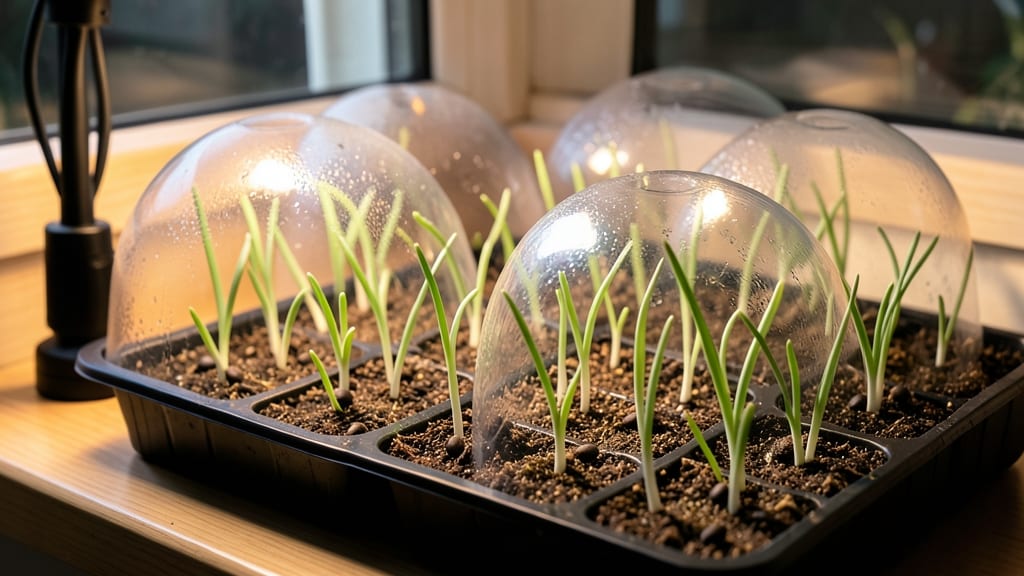
Starting onion seeds indoors in Zone 6 between late February and early March 🧅 gives you the strongest, most disease-resistant plants for your garden. Timing is everything when growing onions from seed—start too early…
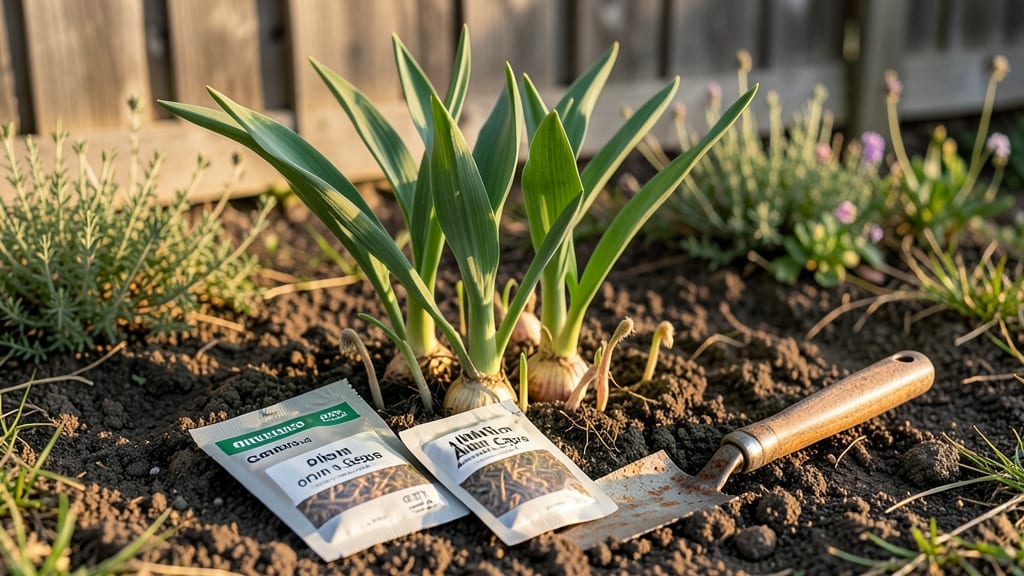
Starting onion seeds in Zone 6 at the right time means the difference between a bumper crop of 🧅 and a sad, bolted mess. If you’ve ever watched your onion seedlings shiver under a late frost or bolt before forming…
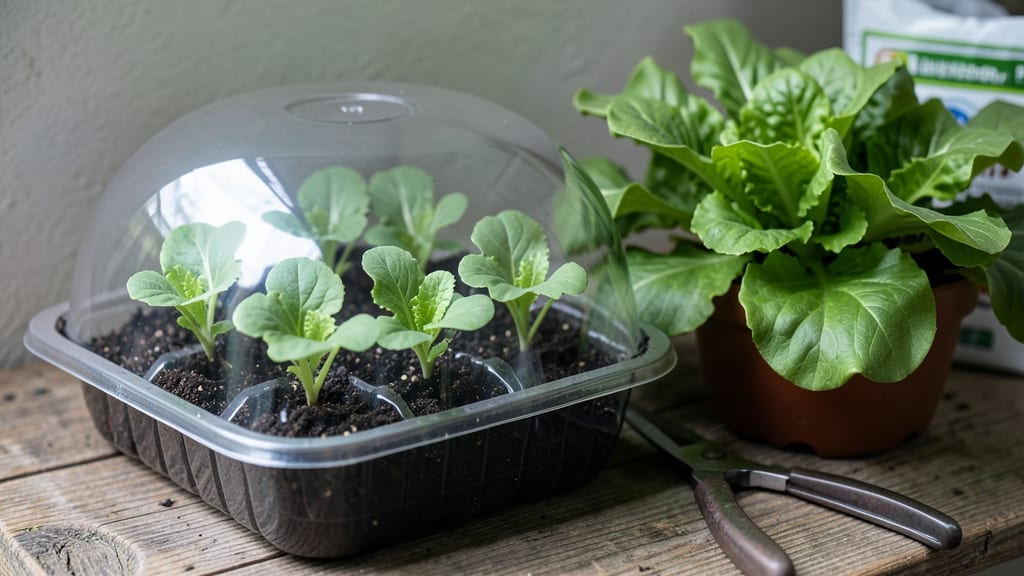
Starting seeds indoors in Zone 7A means timing your February-March window just right to avoid leggy seedlings or missed outdoor planting. Picture this: you’ve got your 🌱 General Vegetable Seeds ready, but if you start…
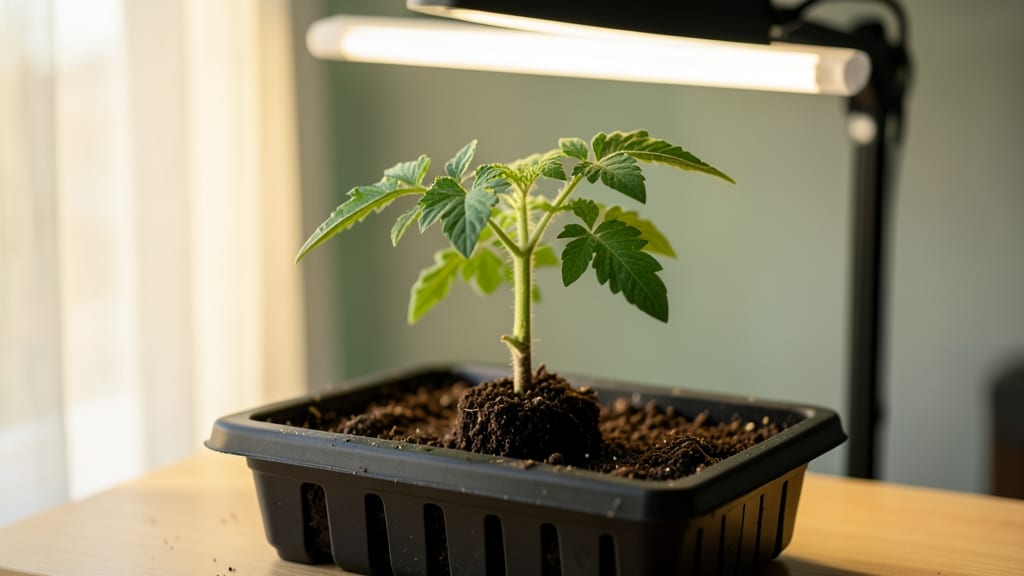
Starting tomato seeds indoors in Zone 7 6–8 weeks before your last frost (around early February) is the key to beating the heat and getting a jump on the season. Picture this: you’ve got 6-foot tomato plants laden with…
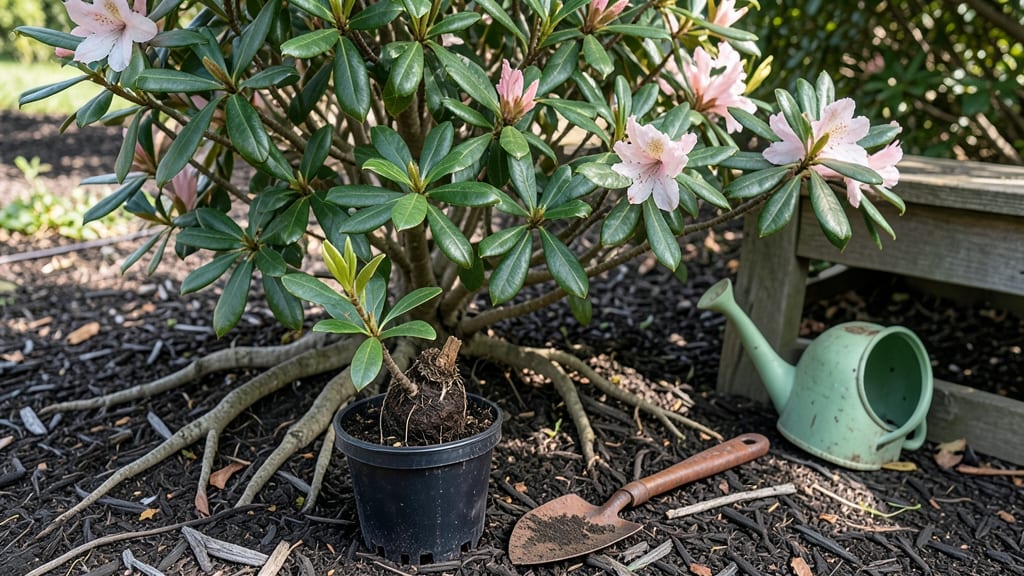
Transplanting azaleas 🌸 in Zone 7 at the wrong time can turn your blooming shrubs into stressed-out survivors — but timing it right means vibrant flowers and thriving roots. Picture this: you’ve spent months nurturing…
💥 Quick Answer USDA Zone 7a covers the southeastern United States, stretching through Virginia, North Carolina, South Carolina, Georgia, Alabama, Tennessee, Kentucky, and parts of Missouri, where winter lows typically…
💥 Quick Answer Zone 8 spans the southern U.S., including Texas, Florida, Georgia, Alabama, Mississippi, Louisiana, Arkansas, Tennessee, North Carolina, South Carolina, and coastal California, where winters average…
💥 Quick Answer Zone 8A includes areas with average winter lows of 10–15°F (-12 to -9°C), covering parts of California, Texas, Florida, Georgia, South Carolina, and the Deep South. Use the USDA Plant Hardiness Zone Map…
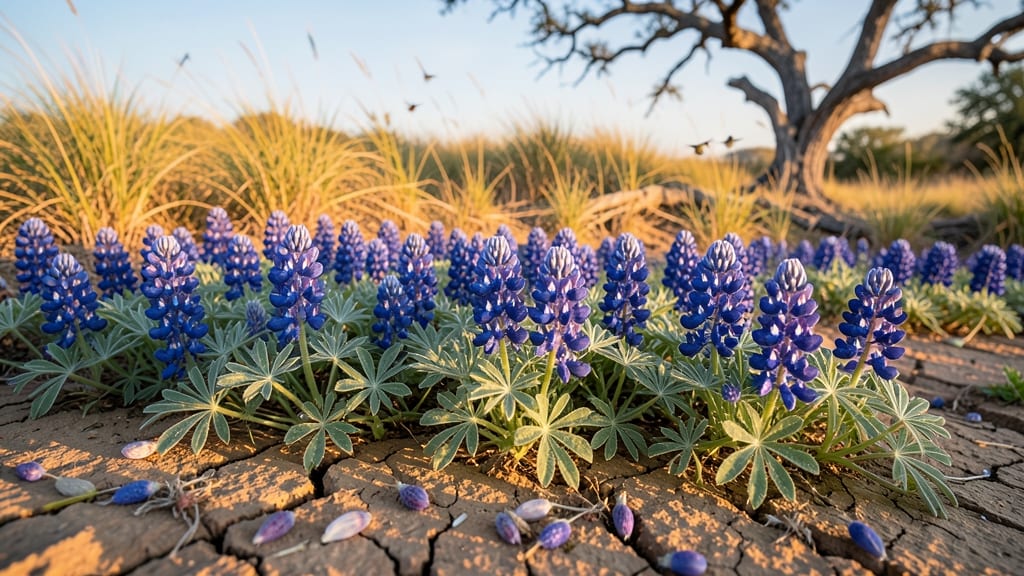
Zone 9 gardeners face unique challenges with intense heat and limited water. These 10 drought-resistant wildflower seeds bring vibrant color to your landscape while requiring minimal maintenance—perfect for transforming…
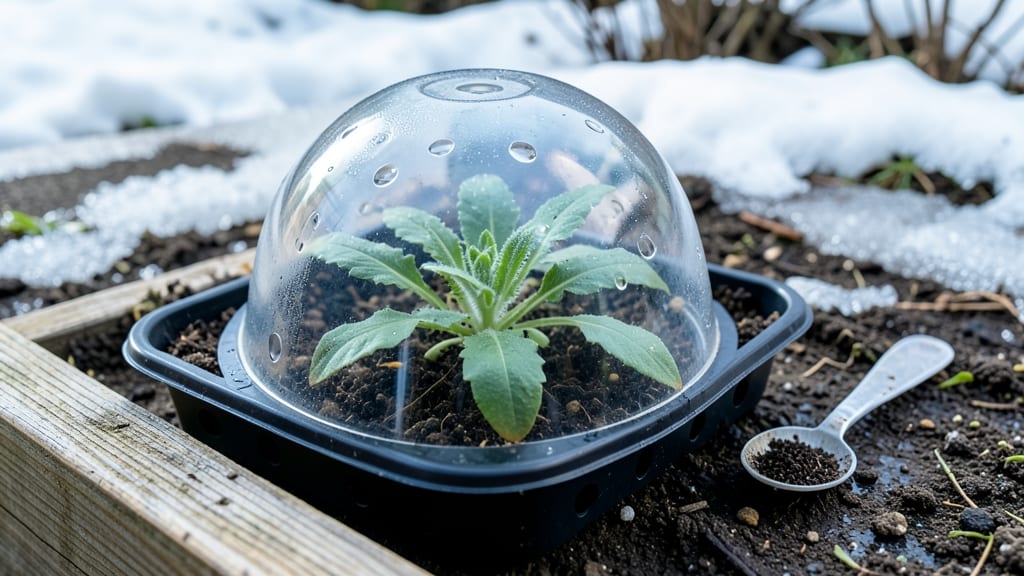
Winter sowing in Zone 6 means starting frost-hardy flowers and veggies outside in January—no greenhouse needed. 🌱 I’ve done this for three years now, and my garden blooms a full month earlier than neighbors who wait…