I’ve spent my whole life surrounded by plants—first in my grandfather’s greenhouse in rural Ohio, then in my own backyard where I turned every spare inch into a garden. There’s nothing quite like the quiet satisfaction of watching something grow from a tiny seed into something vibrant and alive. This site is my way of paying forward all the lessons I’ve learned along the way, whether it’s the best time to plant tomatoes in your zone or how to coax a struggling fern back to health. I write here because I believe gardening should be approachable, rewarding, and a little bit fun.
A Zone 9b planting calendar 🌱 is your secret weapon for turning a chaotic garden into a well-timed, high-yielding success—no more guessing when to plant or watching crops bolt in the heat. If you live in Zone 9B…
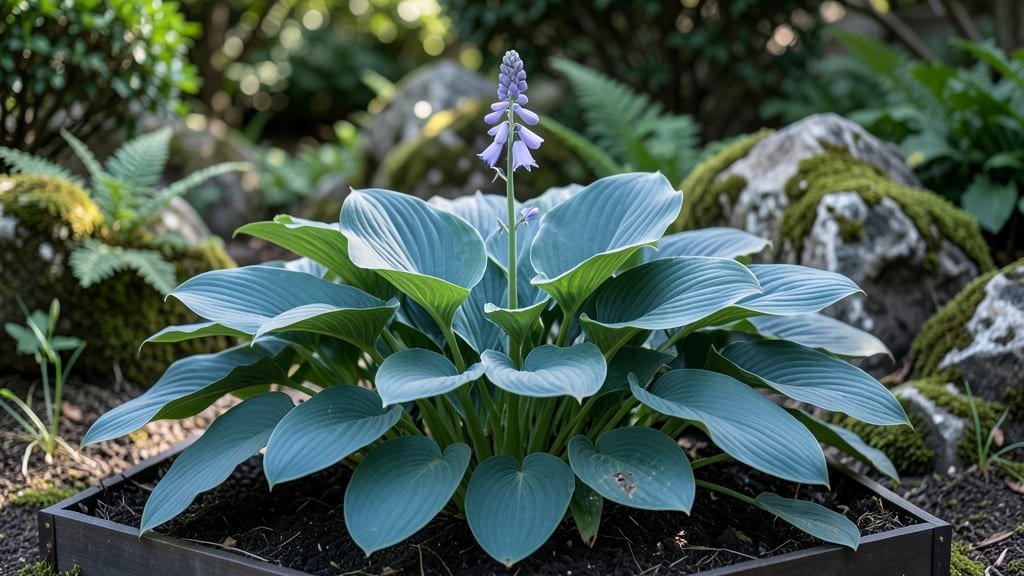
Struggling to keep your Zone 9B garden vibrant in shady spots? These 10 shade-loving plants thrive in dappled sunlight while requiring minimal care, adding texture, color, and life to your garden with ease. 1 Hostas for…
A Zone 9b vegetable planting schedule PDF is your secret weapon for turning your garden into a year-round harvest—no more guessing when to plant or what to grow next. If you're a gardener in Zone 9B , you know timing is…
Zone 3 gardeners face brutal winters, but these cold-hardy perennials thrive where others freeze. Discover resilient plants that return year after year with minimal care, perfect for harsh climates. 1 Russian Sage with…
💥 Quick Answer Gardeners in zones 3 to 5 can successfully grow cold-hardy vegetables like kale, cabbage, and spinach, which thrive in short growing seasons and tolerate frost. Root crops such as carrots, beets, and…
💥 Quick Answer Growing in zones 5 and 8 means adjusting planting schedules to match their distinct frost patterns and heat tolerances. Zone 5's shorter growing season demands early starts for cool crops, while Zone 8's…
Planting year-round in zones 8 through 10 means your garden never sleeps. 🌿 These frost-light regions let you grow citrus, palms, and tropical veggies that would freeze elsewhere—but timing is everything. My first year…
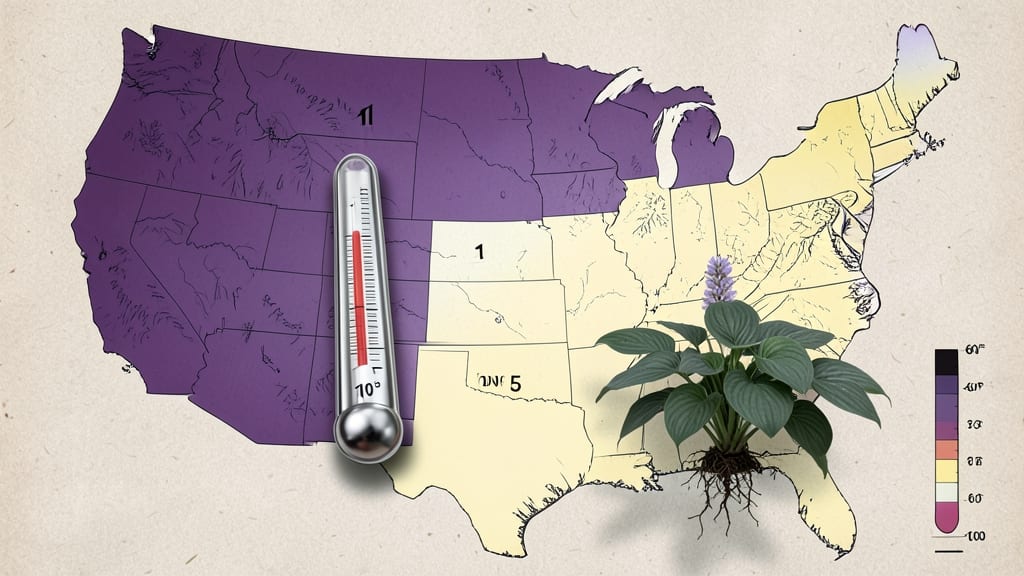
💥 Quick Answer The USDA Plant Hardiness Zone Map organizes the U.S. into 13 official climate zones , numbered 1 (Alaska) to 13 (Florida), based on average winter lows. Each zone is further divided into 'a' and 'b…
💥 Quick Answer Hardiness zone 4B includes areas with average minimum temperatures between -25°F and -20°F (-32°C to -29°C), where cold-resistant plants like coneflowers, lavender, and Russian sage thrive year after…
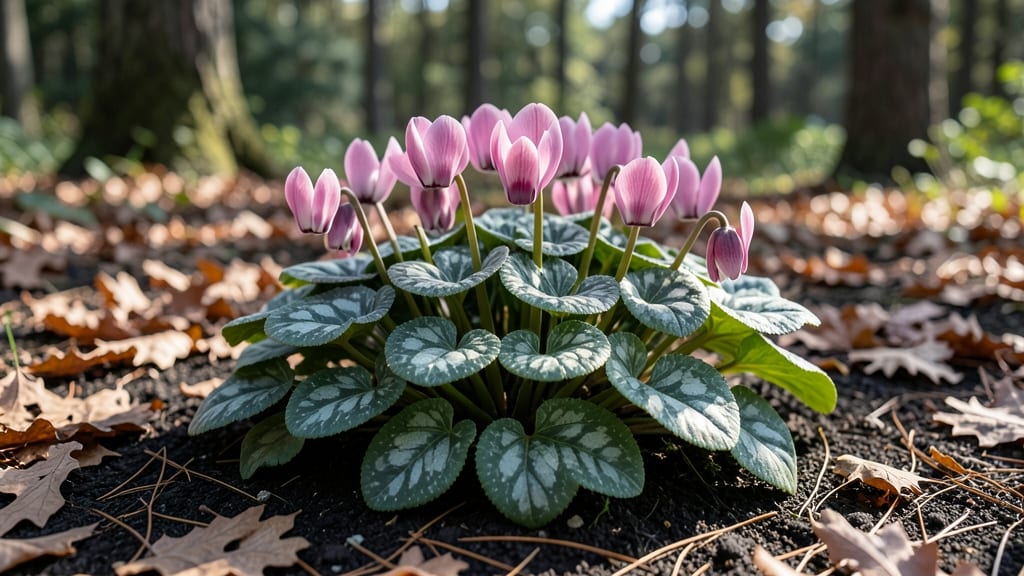
💥 Quick Answer Hardy cyclamen grow best in USDA Zones 5 through 9, with frost-resistant types like Cyclamen coum and Cyclamen hederifolium enduring temperatures as low as 10°F (-12°C). For optimal growth, plant in…