I’ve spent my whole life surrounded by plants—first in my grandfather’s greenhouse in rural Ohio, then in my own backyard where I turned every spare inch into a garden. There’s nothing quite like the quiet satisfaction of watching something grow from a tiny seed into something vibrant and alive. This site is my way of paying forward all the lessons I’ve learned along the way, whether it’s the best time to plant tomatoes in your zone or how to coax a struggling fern back to health. I write here because I believe gardening should be approachable, rewarding, and a little bit fun.
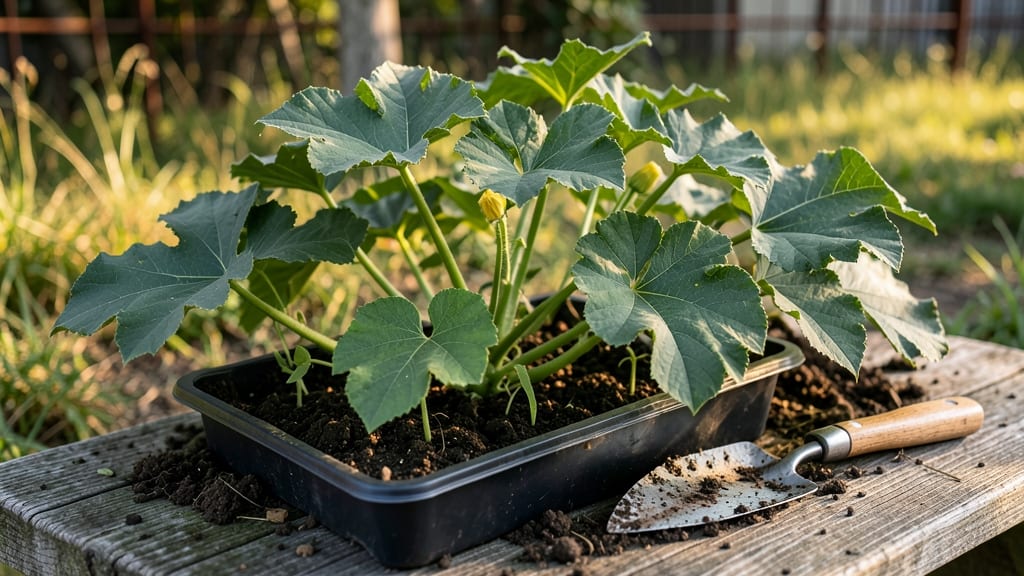
Plant pumpkins in Zone 6 after your last spring frost, when soil reaches at least 60°F —typically mid-April to early June for the most reliable harvests. Zone 6 gardeners know timing is everything—plant pumpkins too…
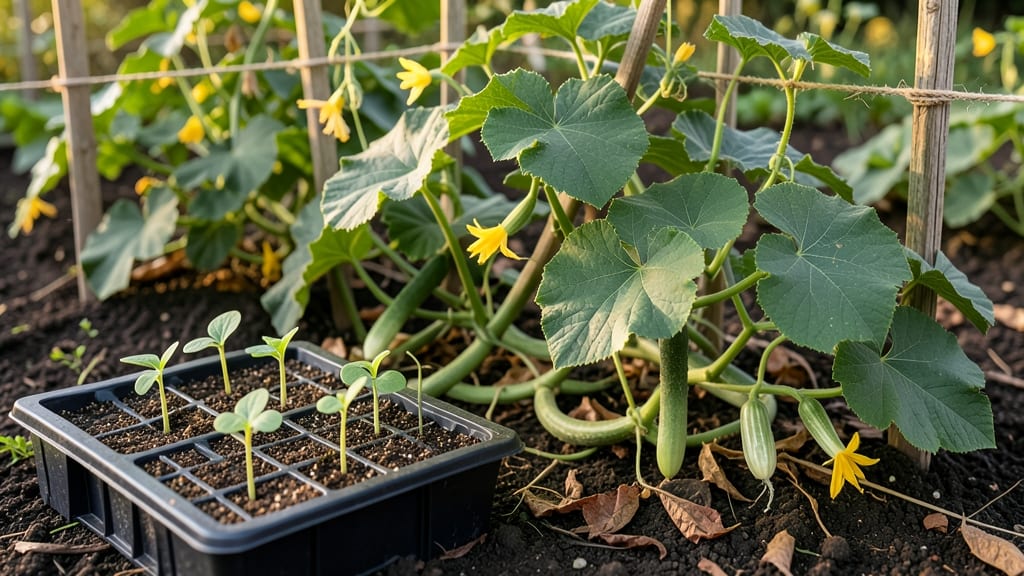
Plant cucumbers in Zone 5 after your last frost date—typically between mid-May and early June —when soil temperatures hit at least 60°F . Cucumbers thrive in warm soil but hate frost—so timing your Zone 5 planting just…
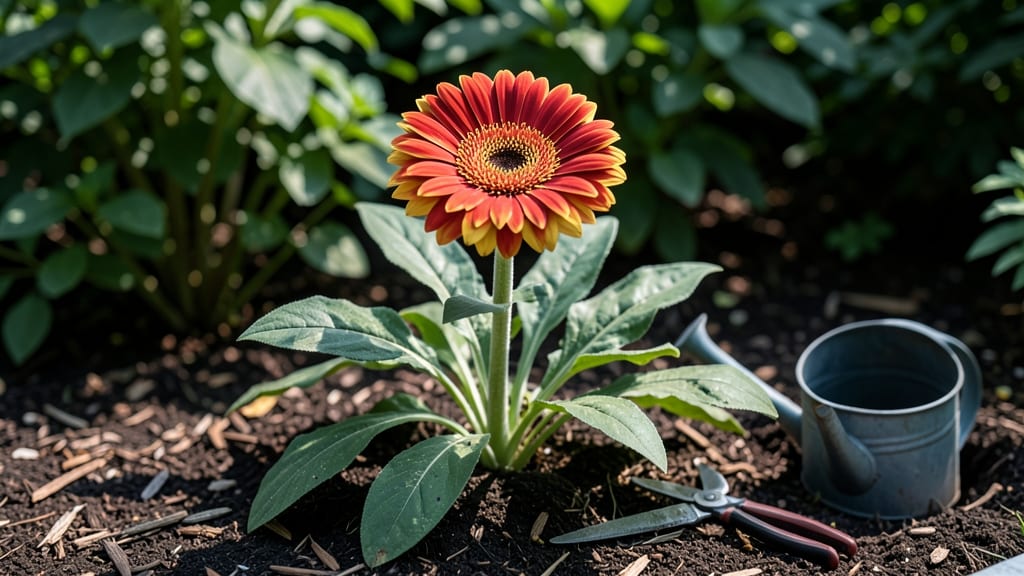
💥 Quick Answer Gerbera daisies grow best in USDA zones 7 through 11, where they can handle warm climates without freezing damage. These zones provide the ideal balance of heat and humidity they need to flourish…
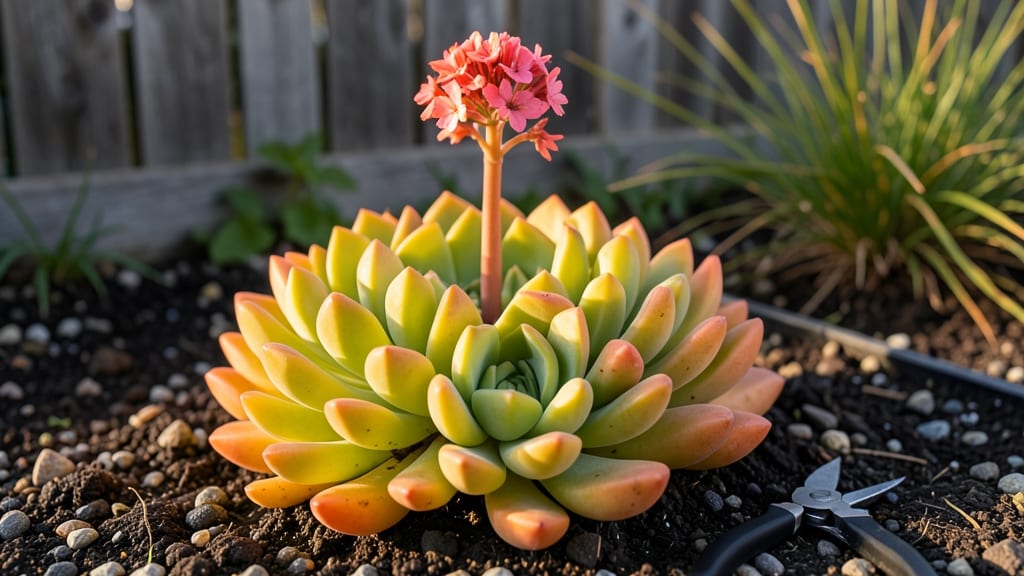
💥 Quick Answer Lemon coral sedum grows best in USDA Zones 4-9, enduring winter lows to -30°F (-34°C) when planted in fast-draining soil with full sunlight. Adding mulch and hardening off plants in colder zones boosts…
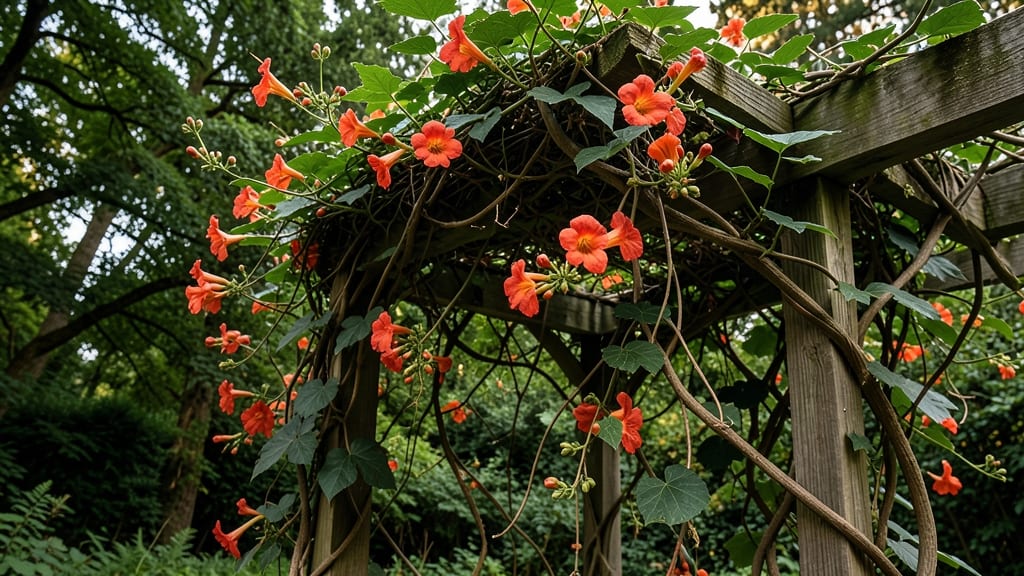
Struggling to create privacy or vertical interest in shady areas of your Zone 6 garden? These 10 fast-growing, sun-averse vines deliver lush foliage, seasonal blooms, and natural screening without needing direct sunlight…
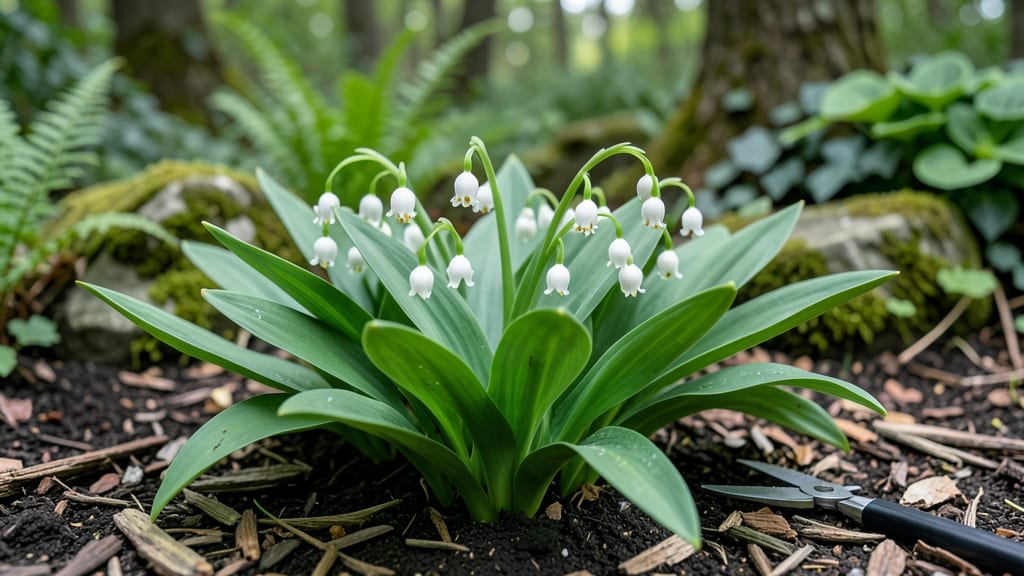
💥 Quick Answer Lily of the valley thrives in USDA zones 3 through 8, where its cold-hardy roots and shade-tolerant leaves create ideal growing conditions. This hardy perennial spreads rapidly in cooler climates while…
February in Zone 9B offers a unique window to start frost-resistant crops before summer heat arrives. These 10 early-season plants leverage mild temperatures and moisture to establish strong roots for bountiful…
💥 Quick Answer A Zone 4A planting schedule aligns with last frost dates: cool-season crops like spinach and peas thrive in early spring (March–April) or fall (August–September), while warm-season plants like tomatoes…
💥 Quick Answer Lexington, KY is located in USDA Hardiness Zones 6b and 7a , which means gardeners there can grow a wide variety of cold-hardy plants that thrive in winter lows between 5°F and 10°F (-15°C to -12°C)…
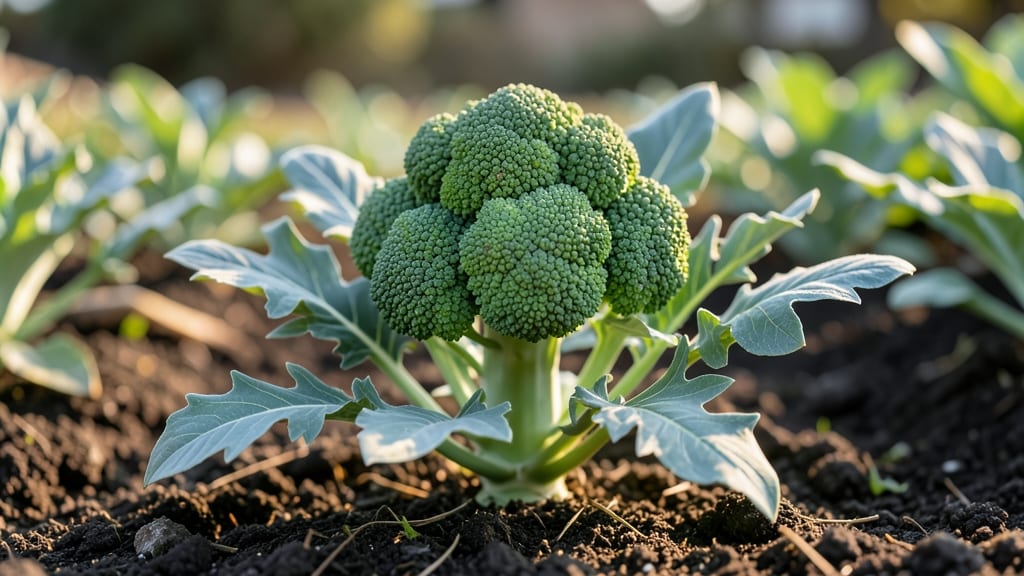
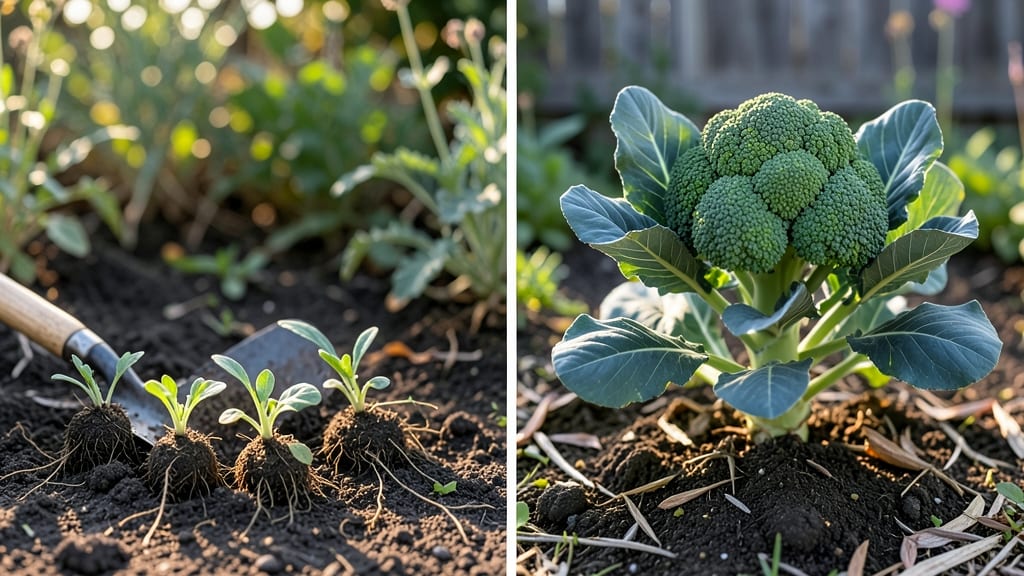
Planting fall broccoli in Zone 6 about 4-6 weeks before your first frost is the key to a harvest that outlasts the heat and beats the cold. Timing your fall broccoli planting in Zone 6 can mean the difference between a…